Post by : Saif
Al-Najjar
Following consistent rainfall, Germany's Rhine River has experienced a rise in water levels, improving conditions for critical shipping routes. This positive development enables cargo vessels to transport larger loads once more, alleviating challenges faced by transport companies and industries reliant on the river for their supply chains.
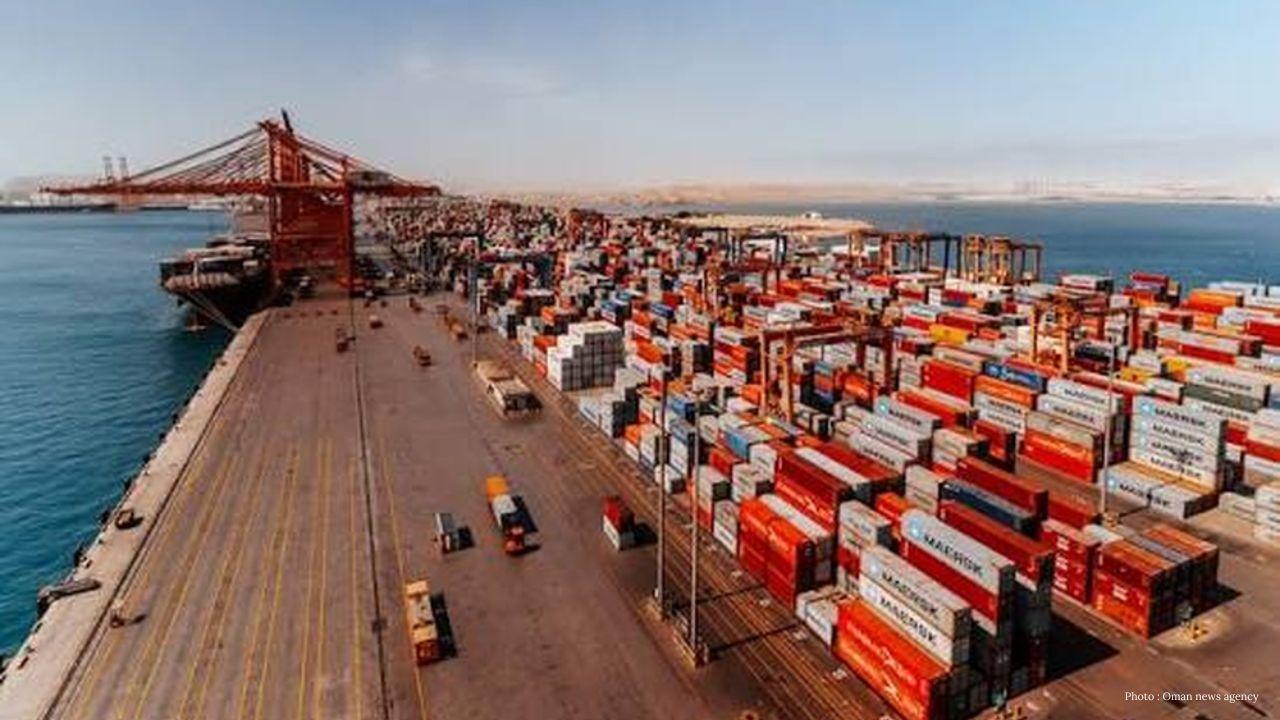
As one of Europe’s busiest water channels, the Rhine facilitates the movement of essential goods like coal, chemicals, grains, and steel among major urban centers and ports. Low water levels had previously forced vessels to operate below capacity, resulting in delays and inflated shipping costs.
In the preceding weeks, a dry spell led to a significant reduction in the river's water levels across various German sections, compelling cargo operators to limit their loads as certain river areas became unmanageable. Consequently, shipping firms also raised freight rates to offset additional expenses.
Thanks to the recent precipitation, many key parts of the river, particularly in northern Germany, are now witnessing improved water levels. Ports such as Duisburg, Cologne, and Kaub are reporting enhanced sailing conditions, although certain areas still mandate limited cargo capacities.
This recovery is critical for Germany’s manufacturing sector, where many operations rely on the Rhine for routine deliveries, given that water transport is generally more economical and efficient than alternatives like road or rail. Low water levels can hinder production and complicate supply chains throughout Europe by escalating costs.
Moreover, this scenario underscores the increasing influence of changing climatic patterns on Europe’s transportation frameworks. Experts point out that climate-related challenges such as droughts and erratic rainfall are emerging more frequently, affecting sensitive watercourses like the Rhine.
Germany has a history of similar challenges. Past drought conditions have led to significant shipping interruptions and industrial setbacks, with businesses across the continent feeling the financial pinch as they sought alternative transport options.
Despite the current rainy reprieve, anxiety persists regarding future climatic shifts. Should dry conditions return in the summer, it could lead to another decline in water levels, posing new obstacles for shipping entities and industries.
Experts advocate for increased investment in climate resilience measures by governments and businesses. This may involve enhancing water management strategies, designing vessels suited for shallow waterways, and bolstering alternative transport infrastructure.
Overall, the Rhine remains a vital economic lifeline in Europe. While recent rainfall has temporarily stabilized cargo transport, it serves as a cautionary tale that climate change and severe weather events can significantly impact economies, industries, and everyday life across the continent.


 English