Post by : Anis
Al-Rashid
The Urgency of Our Time: Travel and Conservation
For centuries, explorers and travelers have ventured to witness breathtaking views and historic sites molded by nature and civilizations. Yet, as we move deeper into the 21st century, a troubling truth emerges: many legendary destinations may soon be lost forever. Factors like climate change, environmental neglect, geopolitical tensions, and uncontrolled tourism are threatening prized locations around the globe.
By 2030, numerous iconic places could face drastic changes, limited access, or even complete disappearance. Some may succumb to rising waters, others might be closed to preserve delicate ecosystems, and some locations risk being forever altered due to conflict or decay. Here, we highlight urgent cases of places we may soon lose.
Great Barrier Reef, Australia
An Ecosystem Under Siege
The Great Barrier Reef, stretching over 2,300 kilometers, is the planet's largest coral reef system and is vital for marine biodiversity as well as Australia's economy. However, it remains one of the most susceptible ecosystems in the face of climate change.
Why Time Is Running Out
Repeated marine heatwaves have resulted in severe coral bleaching. Scientists predict that if warming trends continue, a large proportion of living corals may be lost within a decade. Already, vast areas of the reef are deemed ecologically compromised, and conservation measures may fall short of combating rising ocean temperatures.
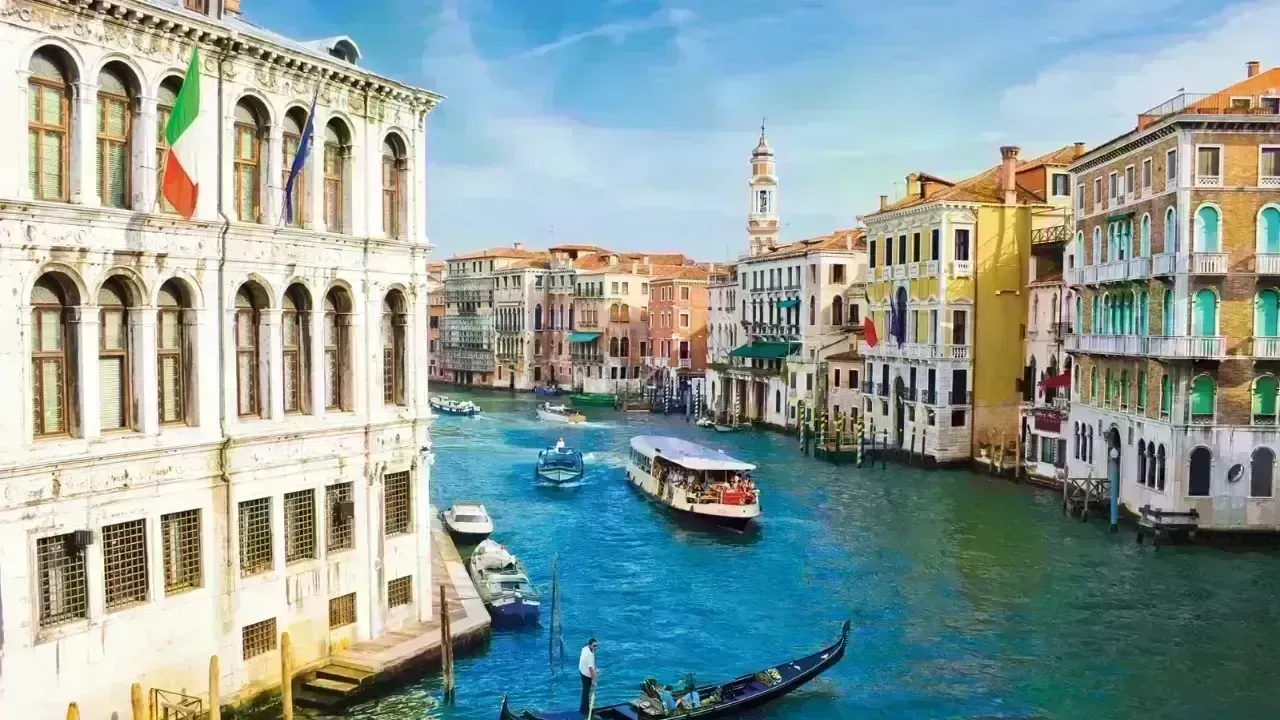
Venice, Italy
A City Facing Submersion
Constructed on wooden pilings in a lagoon, Venice has maintained its beauty for centuries. Today, however, it contends with escalating sea levels and subsidence.
Long-Term Restrictions Are Possible
Frequent flooding events, referred to as acqua alta, are increasingly submerging key landmarks. While flood control measures have mitigated some risks, experts warn they may not suffice in the long run. Authorities have already imposed tourist limits and fees, and by 2030, Venice may become a restricted destination exclusively for locals and select visitors.
The Maldives
A Nation on the Brink
The Maldives consists of over 1,000 coral atolls, most barely a meter above sea level. It holds the title of the world's lowest-lying country.
Environmental Pressures Mounting
The rising sea levels, coastal erosion, and saltwater intrusion jeopardize both infrastructure and fresh water supplies. Some islands have already become abandoned. By 2030, parts of the Maldives may be unlivable, forcing tourism to become focused on artificial islands or luxury developments designed to withstand flooding.
Glacier National Park, USA
A Park Losing Its Secondary Treasure
Established in 1910 with over 150 glaciers, Glacier National Park now has fewer than 25.
Projected Changes by 2030
Climate experts estimate that most of the remaining glaciers could vanish soon. While the park will remain open, the landscapes that characterize it may undergo irrevocable changes, affecting hiking paths, ecosystems, and visitor experiences.
The Dead Sea
A Body of Water in Crisis
Straddling Israel and Jordan, the Dead Sea is known for its extreme salt content and buoyancy, yet it is shrinking at an alarming rate—nearly one meter annually.
Access Becoming a Hazard
Water diversion from the Jordan River combined with climate evaporation has caused significant sinkholes along the shoreline. As land collapses unpredictably, resorts and beaches have been forced to close. By 2030, extensive areas of the Dead Sea may become hazardous or thoroughly inaccessible to tourists.
Tuvalu
A Nation Preparing for Displacement
The Pacific island nation of Tuvalu barely hovers above sea level. Lacking the resources for large-scale engineering solutions, it faces a precarious future.
A Digital Nationhood Future
The government is contemplating a shift to digital nationhood—maintaining sovereignty online as physical land may disappear. By 2030, significant parts of Tuvalu could be permanently inundated, necessitating mass relocations and bringing an end to tourism.
Machu Picchu, Peru
A Historical Site at Risk
The ancient Incan settlement of Machu Picchu attracts millions of tourists each year. However, its mountain setting makes it susceptible to erosion and landslides.
Increased Closures Ahead
Authorities have already restricted daily visitor numbers and intermittently closed trails. Climate-induced rainfall exacerbates structural risks. By 2030, accessibility could face even stricter limitations or be entirely halted during extensive conservation efforts.
The Rapidly Changing Arctic
A Landscape in Flux
The Arctic warms nearly four times faster than the global average, leading to rapidly thinning sea ice that once constituted vital polar travel routes.
The Future of Arctic Travel
By 2030, the traditional landscapes, habitats of polar wildlife, and seasonal ice roads may no longer exist. Tourism may pivot solely to sea-based activities as numerous land experiences could disappear altogether.
The Cultural Heritage of Syria
Loss of Historical Significance
Sites like Palmyra once stood as testaments to early civilization. Years of conflict have severely damaged numerous sites.
Challenges to Cultural Revival
Aside from physical destruction, unexploded ordnance and ongoing instability hinder restoration efforts. By 2030, multiple locations may exist only in records and photographs, lost to the realities of war.
The Amazon Rainforest (Specific Areas)
Approaching an Ecological Collapse
Revered as the “lungs of the Earth,” the Amazon Rainforest is facing severe threats from deforestation, pushing it toward a brink of no return.
Why Restrictions May Become Necessary
As ecosystems degrade and indigenous territories come under threat, governments may enforce access restrictions to mitigate further damage. By 2030, significant regions may be closed to tourism or altered into degraded landscapes.
The Significance of These Locations
Beyond Just Travel Spots
These viewpoints are not merely great travel destinations; they serve as ecological cornerstones, cultural legacies, and vital ecosystems. Their disappearance signals far more than lost vacation spots but also profound damage to global heritage.
The Impact of Human Decisions
Most of the threats we face stem from human actions. Policy choices regarding emissions, environmental preservation, tourism management, and conflict resolution will significantly impact whether these iconic places thrive or fade away.
Conclusion: Travel Responsibly to Preserve
The belief that legendary locations could vanish in a single generation is not just alarming; it is an undeniable reality. By 2030, many destinations may find themselves underwater, inaccessible, or utterly transformed. Travel, which was once considered innocent exploration, now carries a profound responsibility.
Understanding the world has never been so crucial—or so time-sensitive. The pressing question is no longer where we wish to travel, but whether those destinations will still exist when the time comes.
Disclaimer:
This article is based on up-to-date scientific investigations, environmental evaluations, and the analysis of current policies. Outcomes may vary based on global actions, success in conservation efforts, and geopolitical circumstances.


 English