Post by : Shweta
US-Iran Conflict Moves Into Gulf Waters
The US-Iran conflict is increasingly being fought at sea, with oil tankers and other vessels becoming targets around the Strait of Hormuz. The attacks are raising concerns that continued military action could create a major environmental disaster in one of the world’s most important energy regions.
Five Iranian Oil Tankers Targeted by the US
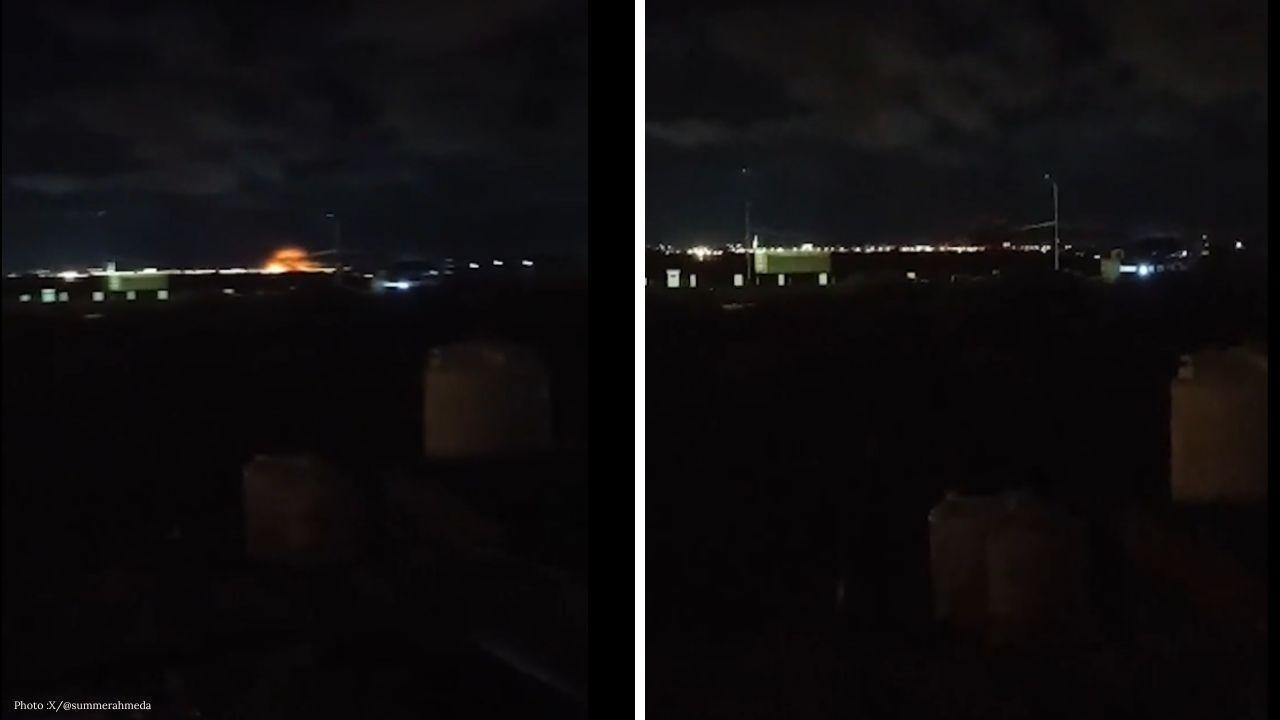
According to the supplied report, the United States struck five Iranian oil tankers on September 8. The strikes followed earlier attacks involving Iranian missiles directed toward US military vessels near the Strait of Hormuz. The escalation has increased concerns about the safety of commercial shipping and oil cargoes moving through the region.
Dozens of Tankers Waiting Around Hormuz
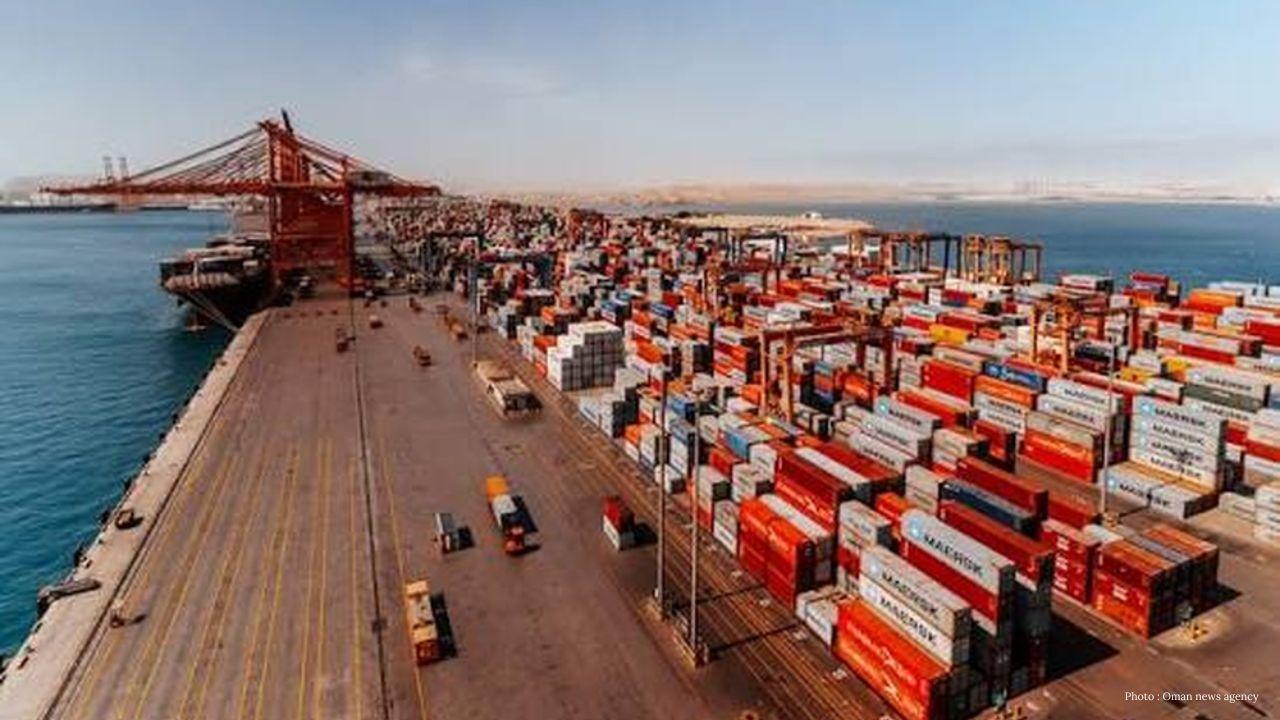
MarineTraffic data cited in the report showed that 42 tankers were waiting to transit the Strait of Hormuz as of September 7. Eighteen of those vessels were carrying oil, while hundreds of other ships were waiting or moving slowly in the wider Gulf of Oman and Gulf region.
Millions of Barrels Could Be at Risk
The report estimates that the tankers waiting around the waterway had a combined capacity of about 1.76 million cubic metres of oil and petroleum products, equivalent to roughly 11.1 million barrels. The report says this volume represents about 11 percent of global daily oil demand, although the exact amount of crude actually aboard the vessels was not known.
Why an Oil Spill Could Become a Major Environmental Crisis
A major tanker fire, strike or sinking could release large quantities of oil into Gulf waters. Oil can spread across wide marine areas through currents and winds, potentially affecting coastlines, fisheries and sensitive marine ecosystems far from the original incident.
Oil Pollution Already Affecting Waters Near Oman
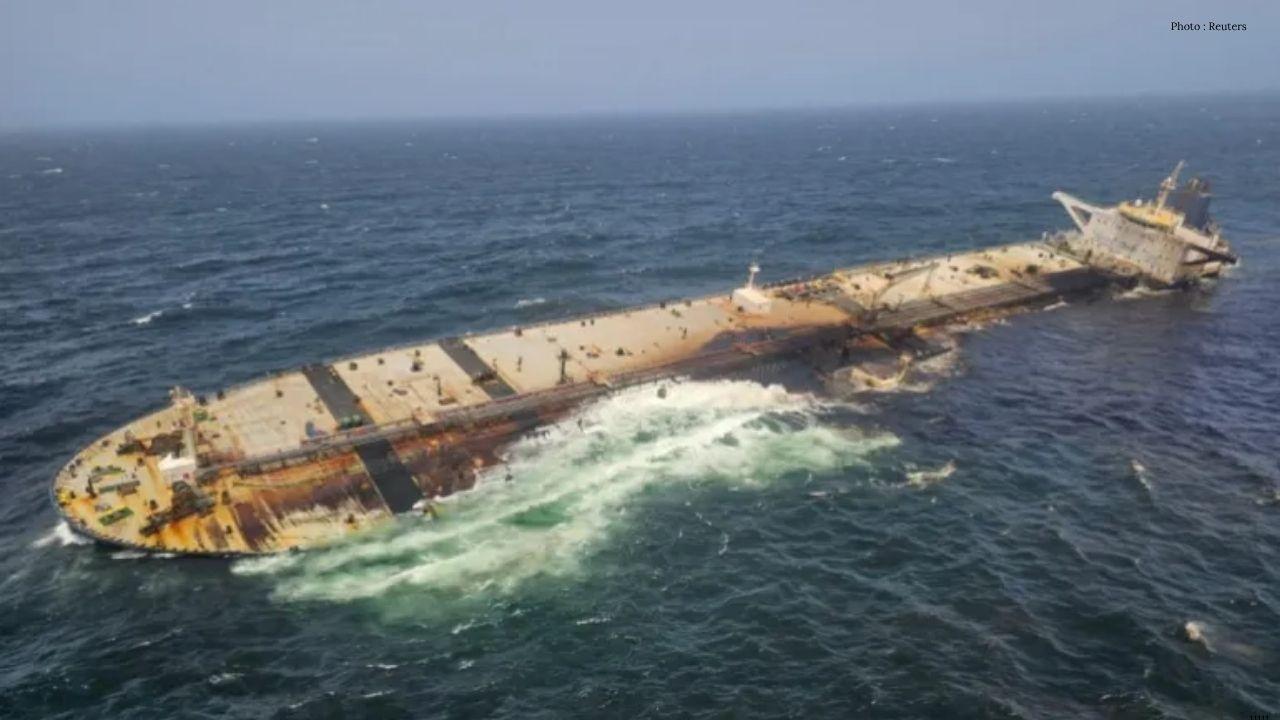
The report also highlights the tanker Caroline Bezengi, which has been leaking oil after running aground about 22 nautical miles off Oman following a suspected explosion. Reuters estimated that the tanker was carrying about 800,000 barrels of oil, while Oman’s Environment Authority warned the spill could affect coastline near Ras Madraka and Masirah Island.
Gulf Marine Life Faces Serious Risks
Researchers cited by the report said oil pollution can damage fish, coral reefs, plankton and other marine organisms. Fish eggs and larvae can be particularly vulnerable, while coral reefs, mangroves, seagrass beds and coastal sediments may retain pollutants for extended periods.
Read more : Danger Passes in Khamis Mushait After Saudi Alert
Desalination Plants Add Another Concern
The environmental risk extends beyond marine life. Gulf countries rely heavily on desalination for water supplies, and oil contamination can affect the quality of water entering desalination facilities. Researchers said the actual risk depends on factors including the spill location, currents, distance from water intakes and treatment technology.


 English