Post by : Saif
Al-Najjar
As the conflict involving Iran escalates, Hezbollah finds itself compelled to clarify its stance, with significant implications for Lebanon's security landscape. The Lebanese group, historically allied with Tehran, is now confronted with pivotal decisions that could either plunge Lebanon into deeper instability or allow it to sidestep a broader confrontation.
The situation has intensified recently due to growing military tensions surrounding Iran, raising fears that this conflict might extend beyond its current limits. Hezbollah, as a principal political and military entity in the region, holds the potential to influence not just Lebanon but the entire Middle East with its forthcoming choices.
For years, Hezbollah has been seen as a crucial ally to Iran, with a relationship built on political backing, financial support, and military collaboration. Therefore, every significant event linked to Tehran is scrutinized for its potential repercussions on Hezbollah's actions.
In the midst of these challenges, Lebanon is grappling with severe internal issues, such as economic decline, political instability, and social unrest, all of which complicate matters further. Citizens are worried that regional tensions could exacerbate existing difficulties and hinder recovery efforts.
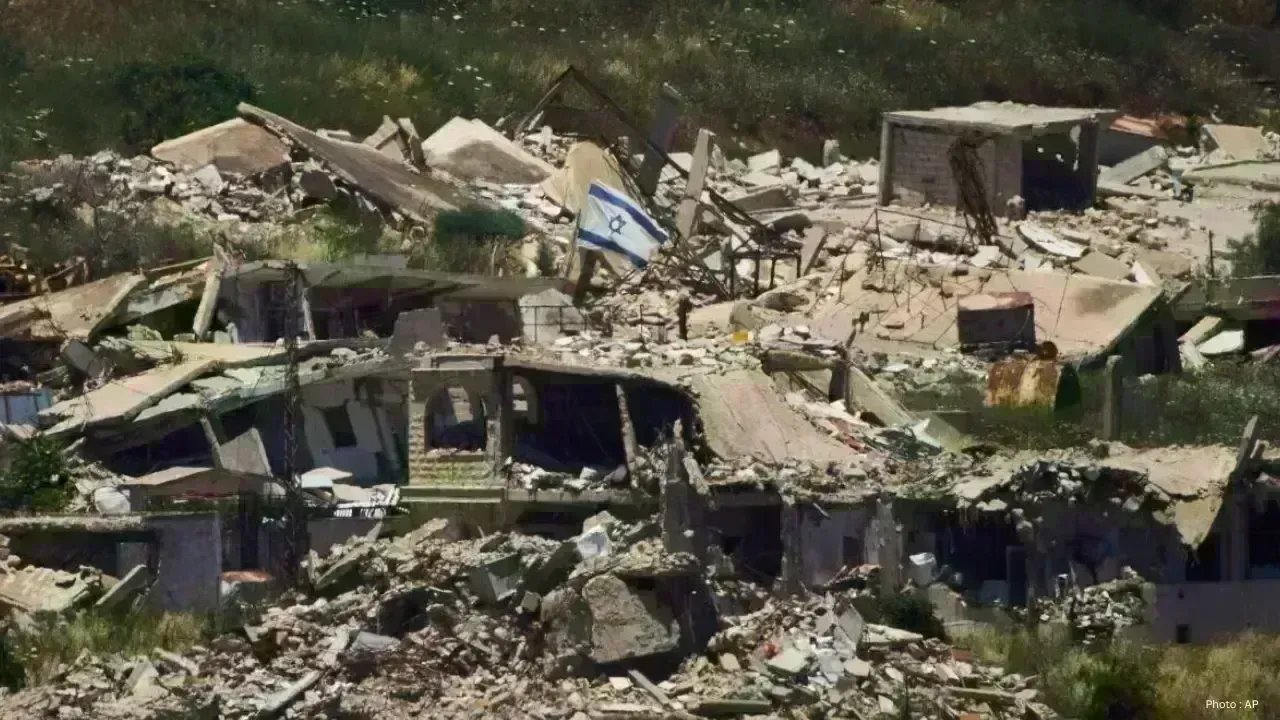
Security issues along the Lebanon-Israel border have manifested in recent months. Although attempts to mitigate violence have curtailed the risk of a larger escalation, the volatility remains high. Any significant rise in hostilities could jeopardize civilians in adjacent regions, causing further complications.
Political stakeholders suggest that Hezbollah now faces a precarious task: supporting its longstanding ally while ensuring its involvement does not incite widescale conflict. The group must weigh regional expectations against the domestic situation within Lebanon.
The potential repercussions of this crisis are far-reaching. Beyond immediate military threats, sustained instability could disrupt economic activities, trade, and public services. Neighboring countries are acutely aware that an extended crisis would likely impact energy sectors and business operations.
For Lebanon, the risk of heightened conflict is particularly significant. Ongoing financial struggles have weakened governmental structures and limited economic prospects. Families are facing hyperinflation and growing unemployment, making the prospect of even greater instability particularly daunting.
Consequently, safeguarding against escalation has taken on increased importance for international communities. Several governments are advocating for restraint, urging all parties involved to avoid actions that would escalate tensions. Many nations favor diplomatic dialogue as a means of maintaining regional calm.
Public sentiment in Lebanon influences the broader debate as well. Many citizens prioritize economic recovery over military confrontations, with pressing concerns surrounding jobs, living conditions, healthcare, and education taking center stage.
This ongoing situation highlights the intertwined nature of regional events, where decisions in one nation can swiftly reverberate across borders. This reality underscores the critical need for effective communication and diplomatic engagement to alleviate tensions.
Experts emphasize that the current landscape is marked by uncertainty, with fast-changing scenarios that may shift political calculations at any moment. Governments and security analysts remain vigilant, continuously monitoring the developments.
Increased focus on Hezbollah represents broader worries regarding the trajectory of the Middle East. The outcome of the current crisis and whether it remains confined to local boundaries will heavily rely on the actions of key stakeholders in the upcoming weeks and months.
Regional leaders face a daunting challenge: to prevent an escalation of tensions while addressing security matters, something requiring a careful blend of patience, diplomacy, and strategic insight. Finding this equilibrium is crucial to ensuring stability and minimizing the risk of a more significant conflict.
As events progress, Lebanon again stands at the crossroads of regional dynamics and security threats. The choices made now could shape the future landscape of Lebanon and the broader Middle Eastern region. Hence, the behavior of Hezbollah and the actions of regional players will remain under intensive observation as the pursuit of stability continues.


 English