Post by : Shweta
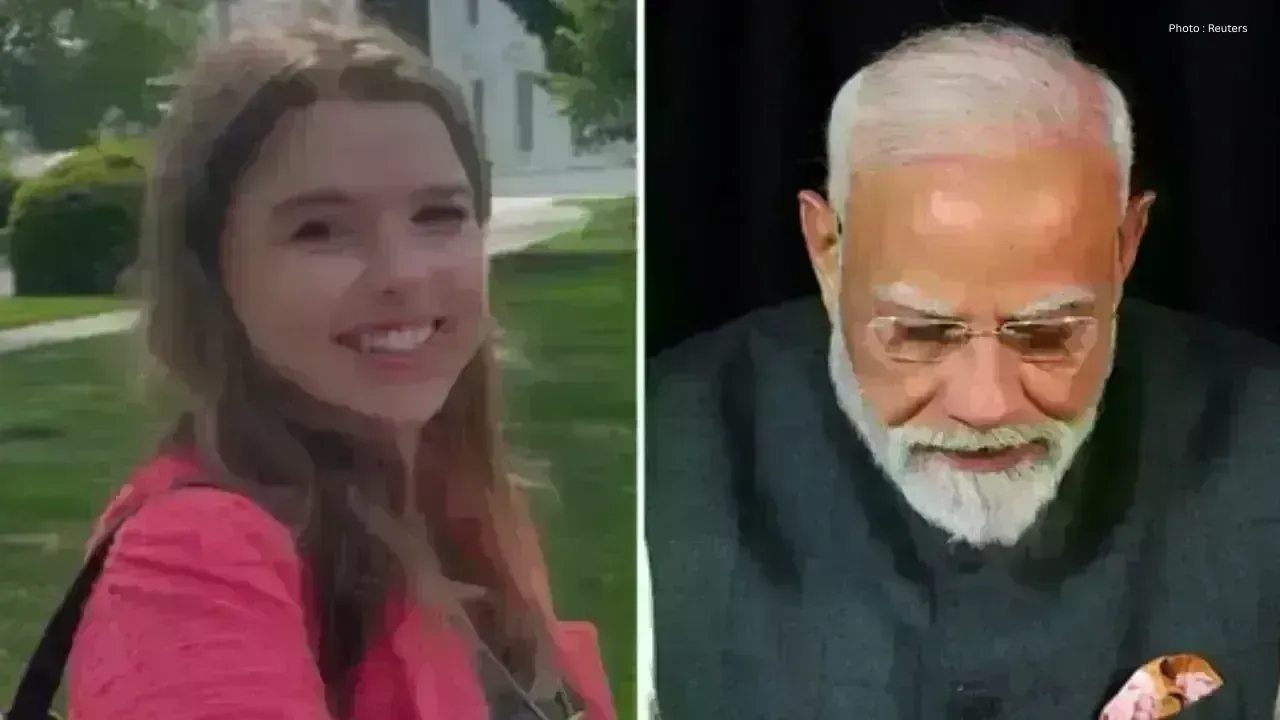
During her recent visit to Norway, journalist Helle Lyng faced significant backlash after posing a question to Indian Prime Minister Narendra Modi concerning press freedom. This incident has ignited a substantial discussion both online and within political circles in India and Norway. Lyng expressed surprise at the negative attention, yet stood by her decision to raise what she deemed a critical journalistic inquiry.
The uproar occurred during a joint media event in Oslo featuring PM Modi alongside Norwegian Prime Minister Jonas Gahr Støre. Lyng challenged Modi on his tendency to avoid addressing the press, citing Norway’s reputation for having “the freest press in the world.” The video of her inquiry swiftly circulated on social media, prompting a spectrum of opinions from politicians, journalists, and global observers.
As the video gained traction, Lyng encountered backlash online. Critics accused her of attempting to embarrass India during a vital diplomatic visit, while supporters argued that journalists should feel empowered to directly question world leaders about democracy and media rights. This controversy sparked a broader dialogue concerning press freedom and accountability in India.
In response to the criticism, Lyng emphasized in various interviews that her question was a journalistic duty and not a personal affront to the Indian Prime Minister. She remarked that “maybe it was a tough question for PM Modi,” but affirmed that posing challenging queries is essential to journalism in democratic frameworks. Furthermore, she dismissed allegations of acting under any political motives or foreign influence.
The situation escalated when Lyng reported that her Facebook and Instagram accounts were suspended after the viral incident. Expressing concerns over this timing, she hoped for the swift restoration of her accounts, thereby amplifying discussions on online harassment and the pressures faced by journalists post-political events.
In the aftermath, Indian officials reiterated support for the country’s democratic framework and media landscape. Responding to Lyng’s inquiries about human rights and press freedoms, Indian diplomats asserted the vitality of democratic institutions in India, which further fueled conversations online as clips from the briefing spread on various platforms.
The incident has catalyzed polarized opinions across social media channels and discussion forums, with some pointing fingers at Modi’s reluctance to engage directly with press questions and others arguing that the event was merely a standard briefing without a formal Q&A session. Debates have highlighted divergent views on Lyng’s approach during such diplomatic engagements.
Analysts believe the event underscores mounting global debates about the dynamics of press freedom and political engagement. The interaction between Helle Lyng and PM Modi has emerged into a central topic of discussion internationally, with advocates on both sides continuing to engage in dialogue regarding journalism’s role, accountability, and the landscape of political critique in contemporary democracies.


 English