Post by : Shweta
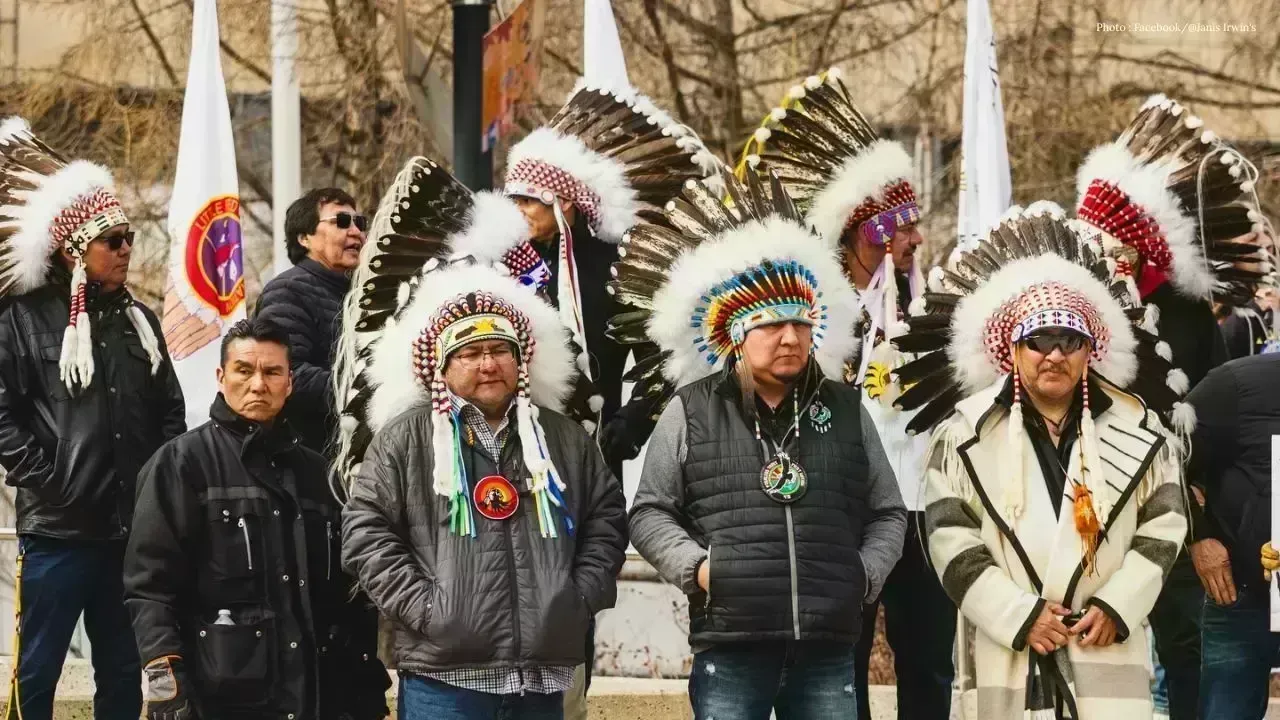
Leaders of First Nations in Alberta have issued a caution that civil disobedience may be considered if the provincial government advances a suggested referendum they argue threatens treaty rights and Indigenous interests. This warning reflects escalating tensions between Indigenous leaders and the Alberta government amid ongoing discussions regarding the province's political trajectory and its relations with Ottawa.
The alarm was raised after the Alberta government indicated its backing for legislation aimed at facilitating citizen-triggered provincial referendums on critical matters. Although no official referendum question has been set, increasing public discourse has centered on issues of provincial autonomy, constitutional authority, and Alberta's future within the Canadian framework.
Numerous First Nations chiefs have voiced strong reservations regarding any referendum process that could influence treaty agreements or modify constitutional frameworks without thorough consultation with Indigenous communities. They contend that treaties, recognized as legally binding contracts between First Nations and the Crown, cannot be altered by a provincial decision.
Indigenous leaders express they are vigilant about these developments, ready to protect treaty rights via legal, political, or public channels if deemed necessary. Some chiefs indicate that civil disobedience is among several options they might pursue if treaty commitments are perceived as neglected or compromised.
This matter has ignited wider conversations regarding Indigenous rights within Canada's constitutional landscape. First Nations leaders assert that treaty obligations predate Alberta's establishment as a province, warranting their protection under Canadian legislation. Hence, they assert that any political procedure impacting these accords requires direct engagement with Indigenous nations.
The Alberta government maintains that any referendum agenda would remain anchored in Canada’s constitutional framework, asserting that it would not automatically disrupt legal structures or treaty commitments. Provincial representatives stress that referendums aim to capture public opinion on critical subjects rather than directly modify constitutional rights.
Despite these reassurances, apprehensions persist among Indigenous groups about the potential ramifications of a referendum. Chiefs argue that public votes on treaty-related issues could engender uncertainty and erode trust between Indigenous peoples and governmental bodies.
This discussion emerges at a moment when fostering reconciliation and collaborative relationships with Indigenous peoples is paramount in Canada. Both federal and provincial administrations have renewed their commitment to enhancing dialogue with Indigenous communities and honoring treaty obligations.
Legal scholars emphasize that treaty rights enjoy protection under the Canadian Constitution and cannot simply be rescinded through provincial referendums. Nevertheless, they recognize that electoral campaigns tied to constitutional topics can provoke significant public discourse and highlight concerns regarding governance, jurisdiction, and Indigenous sovereignty.
Nationwide Indigenous organizations are closely observing the situation unfolding in Alberta. Some leaders are advocating for prompt and meaningful discussions between the provincial government and First Nations communities to avert potential conflict and ensure issues are addressed prior to advancing any referendum procedures.
Political analysts suggest that the ongoing conflict illustrates broader tensions regarding provincial autonomy, resource management, Indigenous rights, and Canada’s constitutional integrity. Alberta has frequently sought enhanced authority over specific policy areas, while Indigenous groups stress that treaty matters remain distinct from provincial political discourse.
As conversations progress, numerous First Nations leaders urge authorities to emphasize consultation and respect for existing agreements. They argue that cooperative methods are far more effective than unilateral governmental actions when tackling intricate constitutional and treaty-related dilemmas.
The federal government is likely to encounter pressure to clarify its stance if discussions on the referendum continue. Ottawa holds legal responsibilities concerning treaty relationships, and proposals prompting concern among Indigenous communities are likely to attract wider scrutiny.
Currently, no definitive referendum question has been ratified, with talks still in preliminary stages. Yet, remarks from Chief leaders suggest that opposition may escalate if Indigenous voices remain unheeded. The coming months will likely see further discussions, legal evaluations, and political debates as Alberta's initiative unfolds.
As this situation develops, the equilibrium between provincial aspirations, constitutional tenets, and treaty responsibilities will remain a pivotal issue for governments, Indigenous leaders, and citizens throughout Canada.
For ongoing updates and comprehensive coverage, remain connected with us.


 English