Post by : Saif
Al-Najjar
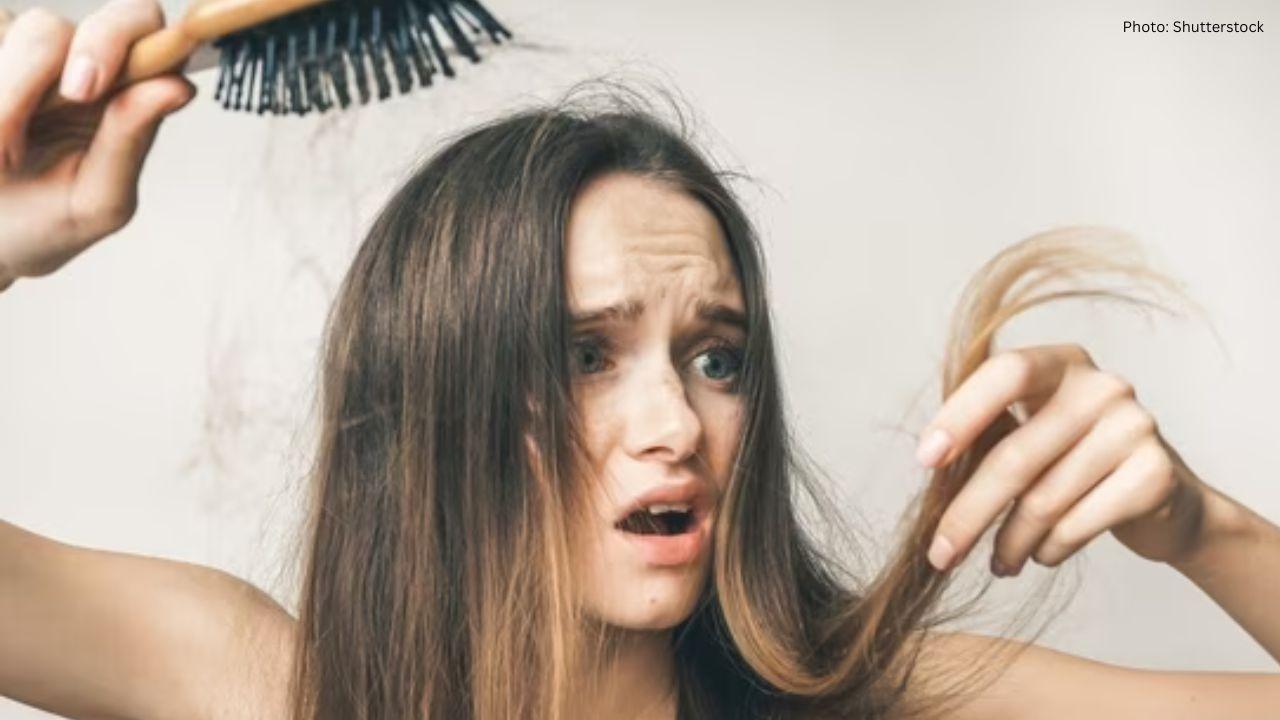
As individuals reach their 30s, many report an uptick in hair loss. Noticeable thinning, receding hairlines, or finding more hair on pillows can be particularly distressing, especially if it occurs sooner than anticipated. Health professionals note that this issue is prevalent, often rooted in several factors including stress, hormonal fluctuations, lifestyle, and genetics.
The demands of life in one’s 30s frequently intensify, with work, family duties, and financial obligations contributing to increased levels of mental stress. Doctors point out that heightened stress can elevate cortisol levels, a hormone linked to hair vitality. Elevated cortisol may hinder nutrient and blood supply to hair roots, while stress-related sleep disturbances can negate hair repair and growth. Over time, this can weaken hair follicles and exacerbate shedding. Additionally, stress can induce muscle tightness in the scalp, diminishing blood flow to hair follicles.
Hormonal changes are also pivotal in influencing hair condition. Women, in particular, may experience shifts in estrogen and progesterone levels in their 30s, hormones that provide support for maintaining hair strength and density. As these levels decline and stress responses amplify, hair growth may decelerate, leading to increased shedding. Each individual may respond differently to hormonal changes, resulting in various patterns of hair loss.
Daily habits significantly affect hair health too. Lack of sleep, suboptimal diet, smoking, high caffeine consumption, insufficient physical activity, and restrictive dieting can cause hair follicles to be deprived of necessary oxygen and nutrients. Dermatological assessments often reveal that many 30-somethings experiencing hair loss have deficiencies in key nutrients like iron, protein, vitamin D, or B vitamins. Additionally, routine use of heat styling and hair treatments can compromise the hair shaft, rendering it more fragile.
Genetics must not be overlooked. If there’s a familial history of premature hair thinning, early signs may surface in your 30s. While genetics lays the groundwork, stress and unhealthy behaviors can accelerate hair loss, making it more visible.
Experts recommend taking action promptly when hair thinning is observed. A diet rich in protein, iron, fruits, vegetables, and healthy fats is vital for nourishing hair roots. Incorporating gentle oil massages and scalp treatments several times a week can enhance blood circulation. Techniques for stress mitigation such as walking, yoga, stretching, or breathing exercises can help lower cortisol levels and promote hair growth.
If the hair fall persists despite lifestyle adjustments, it’s advisable to consult a dermatologist. Medical solutions, nutritional interventions, and advanced treatments like PRP therapy may aid in counteracting hair loss while reinforcing existing strands. These strategies, combined with sound nutrition, stress management, and proper scalp care, can significantly contribute to long-term hair health.


 English