Post by : Sami
Al-Rahmani
Exploring the Varieties of Japanese Ramen: Tonkotsu, Shoyu, Miso & Regional Flavors
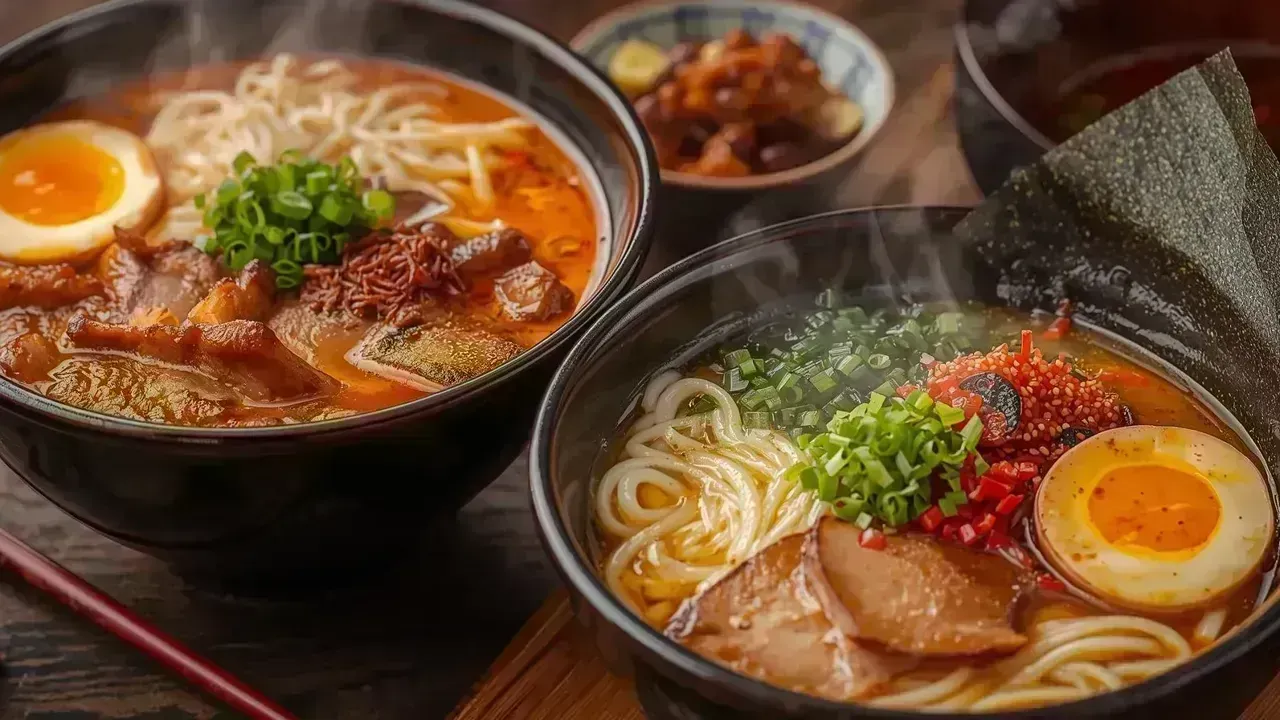
Japanese ramen transcends mere noodles in broth; it's a cultural emblem comprising countless variations influenced by local ingredients, weather, and history. From rich pork broths to lighter soy-based soups and robust miso creations, the styles of ramen showcase a rich diversity throughout Japan. This guide provides insights into the popular ramen categories, including Tonkotsu, Shoyu, Miso, and notable regional variations, offering food enthusiasts and travelers a rich understanding of what to expect and try.
The Diversity of Ramen Across Japan
Variations in ramen primarily stem from four components: broth type, seasoning (tare), noodle shape, and toppings. Each area emphasizes unique combinations tailored to local taste preferences and available ingredients, often shaped by the local climate.
Tonkotsu Ramen Overview
Originating from Fukuoka in southern Japan, Tonkotsu ramen is celebrated for its rich, creamy broth produced by simmering pork bones for hours until the collagen and marrow break down.
Broth characteristics
-
Rich, opaque pork bone broth
-
Deep umami with a luscious mouthfeel
Noodles
-
Thin, straight noodles that complement the heavy broth
Typical toppings
-
Chashu pork slices
-
Soft-boiled eggs
-
Sliced green onions
-
Wood ear mushrooms
Tonkotsu ramen is known for its filling and indulgent nature, attracting those who relish strong flavors and creamy textures.
Shoyu Ramen Overview
Shoyu ramen, one of the oldest and most prevalent styles in Japan, originated in Tokyo, showcasing a clear, brown broth infused with soy sauce.
Broth characteristics
-
Light to medium broth, crafted from chicken or seafood
-
Savory flavor from the soy sauce
Noodles
-
Medium-thin, slightly curly noodles
Typical toppings
-
Chashu pork
-
Bamboo shoots
-
Nori seaweed
-
Chopped green onions
Shoyu ramen offers a balanced, comforting taste and tends to be lighter than Tonkotsu, appealing to those who appreciate a classic ramen experience.
Miso Ramen Overview
Miso ramen hails from Hokkaido, Japan’s northernmost island, created to endure colder climates with its hearty, warming profile.
Broth characteristics
-
Robust broth enriched with fermented soybean paste
-
Flavor that is both deep and slightly sweet-salty
Noodles
-
Thick, curly noodles that can hold the rich broth
Common toppings
-
Sweet corn
-
Butter
-
Bean sprouts
-
Ground pork
Miso ramen is hearty and savory, gaining popularity in winter and among those seeking comfort food.
Shio Ramen Overview
Shio ramen, characterized as the lightest and most refined style, primarily uses salt for seasoning, often enhancing the natural broth flavors.
Broth characteristics
-
Clear, light, and refreshing
-
Seafood or chicken-based often
Noodles
-
Thin, straight noodles
Common toppings
-
Chicken slices
-
Fish cake
-
Seaweed
-
Chopped green onions
Shio ramen caters to those who prefer subtle flavors and a lighter meal.
Notable Regional Ramen Varieties
Japan’s regional ramen styles extend beyond main categories, reflecting local creativity.
Hakata ramen (Fukuoka) features ultra-thin noodles with customizable firmness, while Sapporo ramen (Hokkaido) is known for its rich miso-based style, highlighting corn and butter.
Kitakata ramen (Fukushima) is characterized by its soy-based broth with thick, flat noodles, whereas Onomichi ramen (Hiroshima) combines soy sauce with small fish and pork fat.
Wakayama ramen merges soy sauce and pork bone broth, balancing Shoyu and Tonkotsu influences.
These regional variations exemplify local tastes and make exploring ramen in Japan an exciting culinary adventure.
The Significance of Noodle Types
Noodles play a pivotal role in determining the ramen experience, with thickness, curl, and firmness influencing taste and texture.
Thin noodles pair excellently with rich broths, while thicker or curly shapes suit heavier soups like miso. Many ramen establishments offer options for noodle firmness, particularly in Tonkotsu.
Ramen Toppings & Customization
Toppings vary across regions, but common choices include pork, eggs, seaweed, bamboo shoots, and green onions. Some regions introduce unique elements like butter or corn. Customization options frequently include spice levels, garlic additions, and noodle textures.
Best Ramen Options for First-Time Visitors
For newcomers to ramen, Shoyu is often the most approachable choice due to its well-rounded flavor. Those favoring rich, creamy broths may gravitate towards Tonkotsu, while miso remains a favorite in colder regions. Shio serves as an excellent option for lighter appetites.
Ramen Culture & Eating Etiquette
Authentic ramen is meant to be enjoyed quickly while still hot. Slurping noodles is encouraged for enhancing flavor and cooling them down. Most ramen shops prioritize efficiency, fostering a casual and lively atmosphere.
Concluding Thoughts on Japanese Ramen
Japanese ramen epitomizes regional identity, climate, and culinary ingenuity. Tonkotsu offers richness, Shoyu a harmonious balance, and Miso brings warmth and depth, with regional styles providing endless variety. Discovering different ramen types in Japan offers travelers a chance to indulge in one of the nation's most cherished dishes.
Disclaimer
This article serves informational purposes only. Ramen recipes, flavors, and preparation may differ regionally. Taste is subjective, and availability can vary by locale and season.


 English