Post by : Saif
Al-Najjar
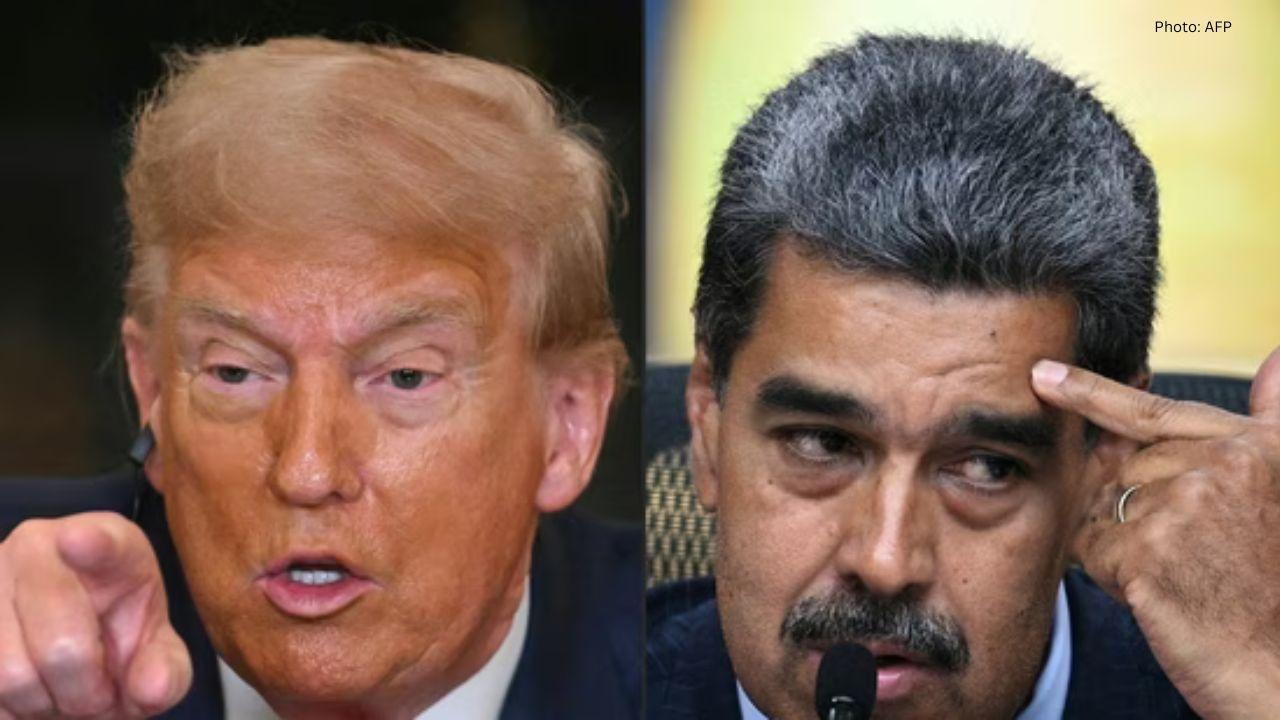
The recent military engagement by the U.S. in Venezuela has sent shockwaves throughout Latin America and raised significant international alarm. Explosions in Caracas, coupled with U.S. President Donald Trump’s assertion that President Nicolas Maduro and his spouse were detained, illustrate a significant shift in the already fraught relationship between the two nations. The Venezuelan administration declared a national emergency, labeling the strikes as acts of military aggression from the United States.
For several months, tensions between Washington and Caracas escalated into a bitter deadlock. President Trump has consistently urged Maduro to resign, claiming it would be “wise” for him to vacate his position. The U.S. has long dismissed Maduro as a legitimate leader, pointing to allegations of electoral fraud, government repression, and economic mismanagement. Maduro, in power since 2013, has vehemently rejected these accusations, asserting that the U.S. is attempting to unseat him through force.
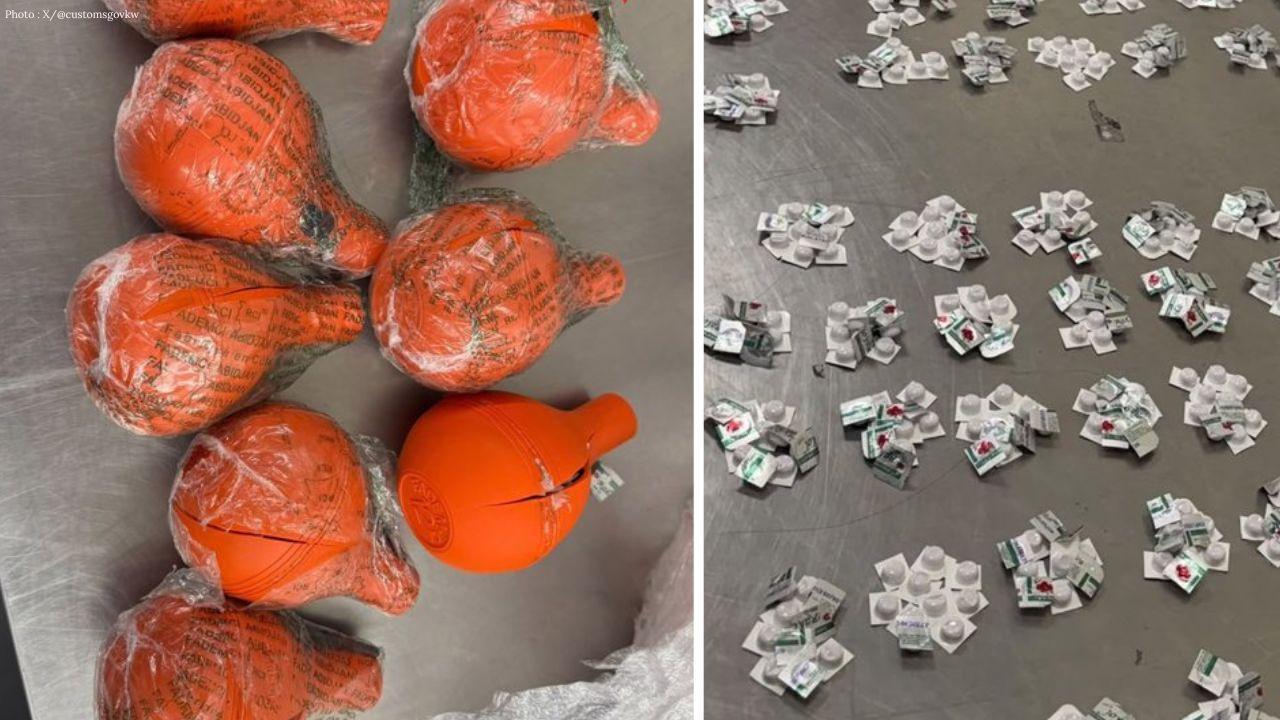
One of the key justifications provided by the Trump administration stems from drug trafficking. The U.S. alleges that Venezuela has become a significant corridor for cocaine and other narcotics entering North America. Trump has consistently attributed blame to Maduro for permitting or even facilitating the operations of criminal organizations involved in drug trafficking. Venezuelan factions, Tren de Aragua and Cartel de los Soles, have been designated as Foreign Terrorist Organizations by the U.S. Washington alleges that the Cartel de los Soles operates with the backing of high-ranking officials, including Maduro himself. Venezuelan officials strongly contest these claims, asserting they are politically motivated.
Moreover, illegal migration exacerbates U.S. actions. Over the past decade, millions of Venezuelans have fled their homeland due to economic turmoil, food and medical shortages, and political repression. Many have sought refuge in the United States, straining border services and social infrastructure. Trump has pointed to Maduro’s policies as the catalyst for this mass migration, contending that the leadership in Venezuela has incited a crisis prompting people to abandon their homes.
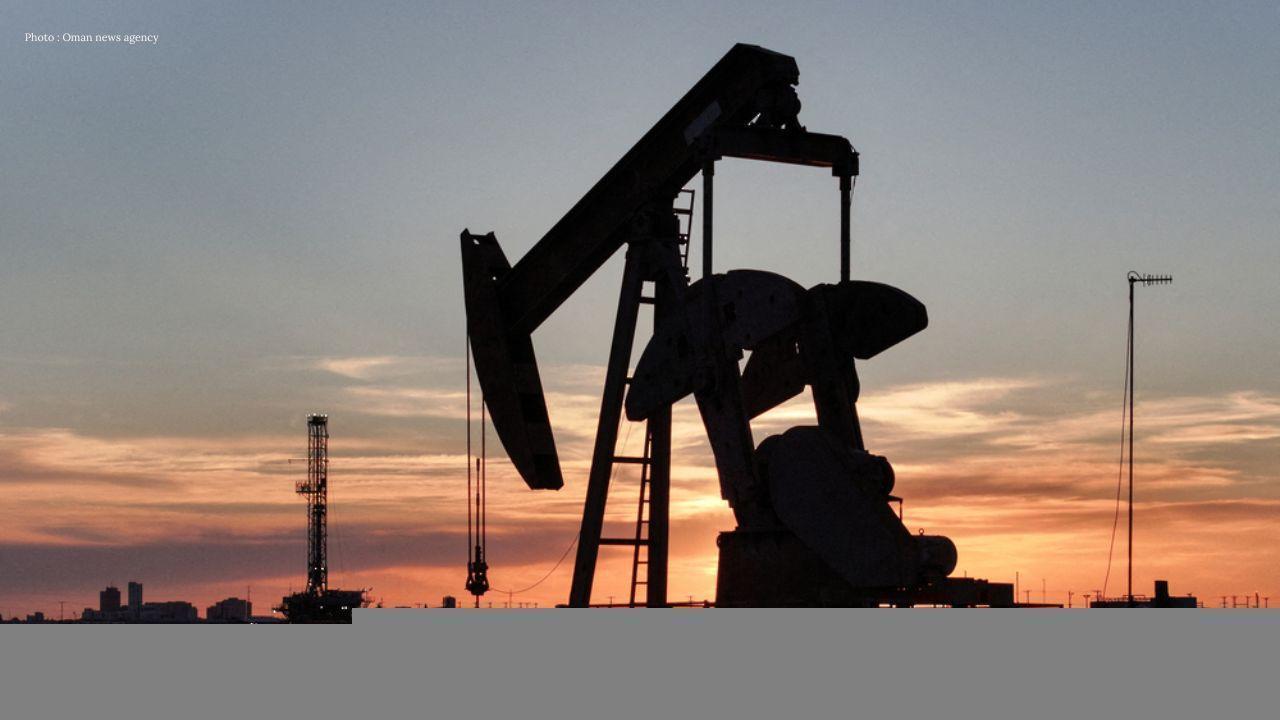
Oil resources and economic stakes form another significant dimension of this conflict. Venezuela possesses the largest proven oil reserves globally. The Maduro administration has long suggested that Washington aims to monopolize these assets. The U.S. has enacted stringent sanctions, advocated for a blockade of Venezuelan oil, and escalated its military posture in the Caribbean. Supporters of Maduro believe that the latest military actions are part of a larger strategy to influence regime change and control Venezuela’s energy resources.
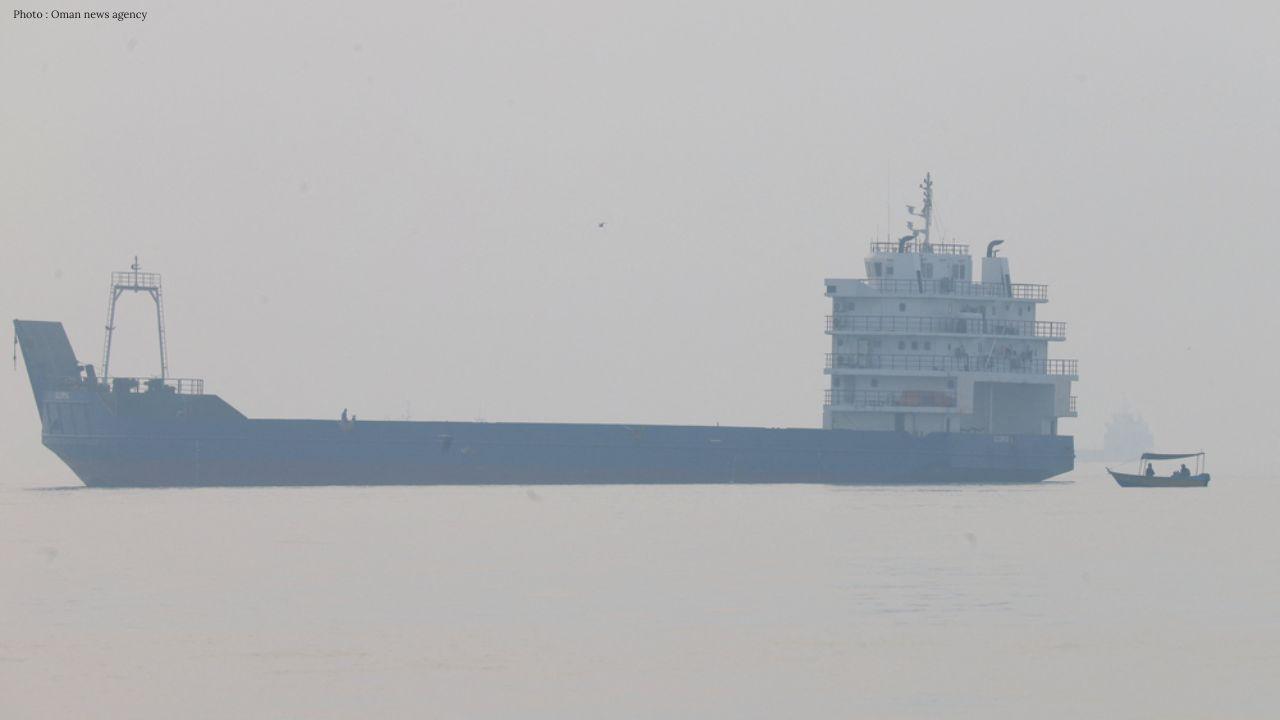
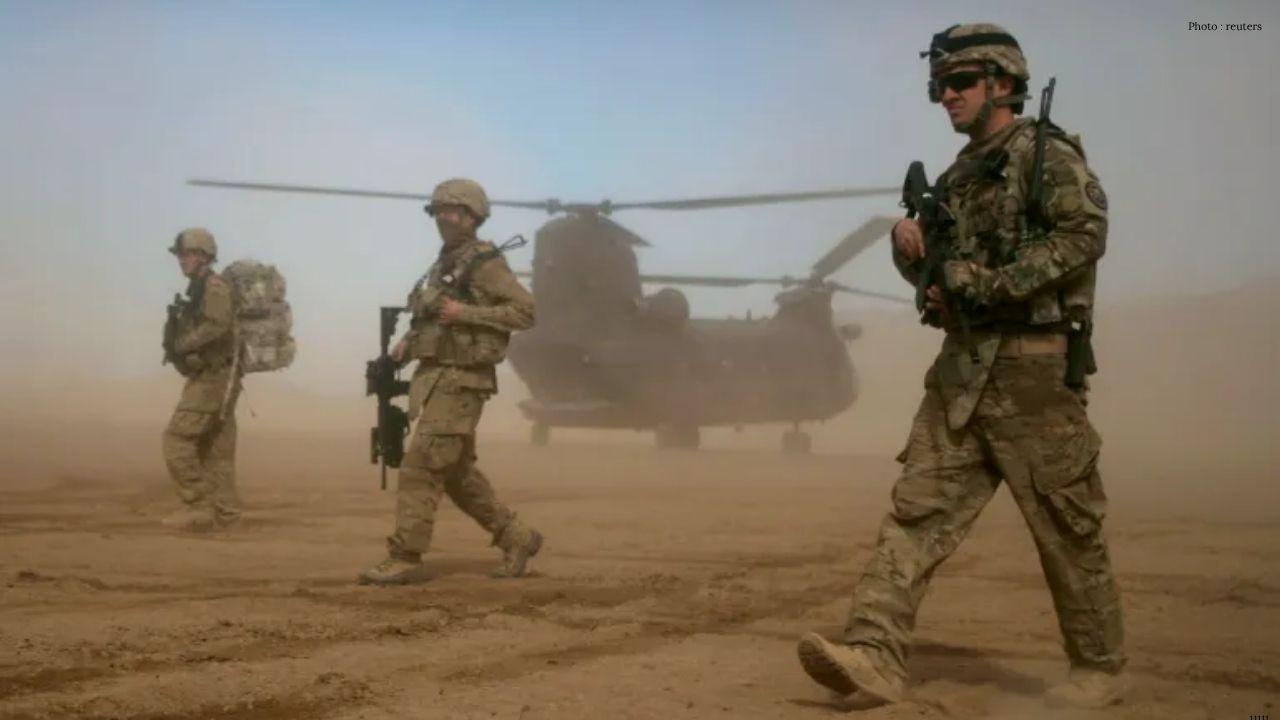
In recent weeks, the U.S. has notably ramped up military operations in the vicinity, deploying warships, an aircraft carrier, and fighter jets. Trump has stated that these maneuvers are intended to combat drug trafficking. Additionally, the U.S. has engaged in repeated strikes against vessels it claims are involved in drug transportation from South America. However, critics argue that such actions provoke serious legal and humanitarian dilemmas.
Currently, Maduro faces accusations of narco-terrorism in the United States, while nations like Russia have criticized the U.S. military operations, denouncing them as violations of Venezuela’s sovereignty. Numerous Latin American countries are apprehensive, as the escalating situation echoes memories of previous U.S. interventions in the region.
The ongoing developments in Venezuela illustrate how issues surrounding drugs, migration, ideology, and natural resources can converge to ignite significant global crises. As new information continues to emerge, worldwide attention remains fixed on how this conflict will redefine regional stability and global diplomatic relations.


 English