Post by : Sami
Al-Rahmani
Navigating South Korea: The Rise of Land Travel Over Domestic Flights
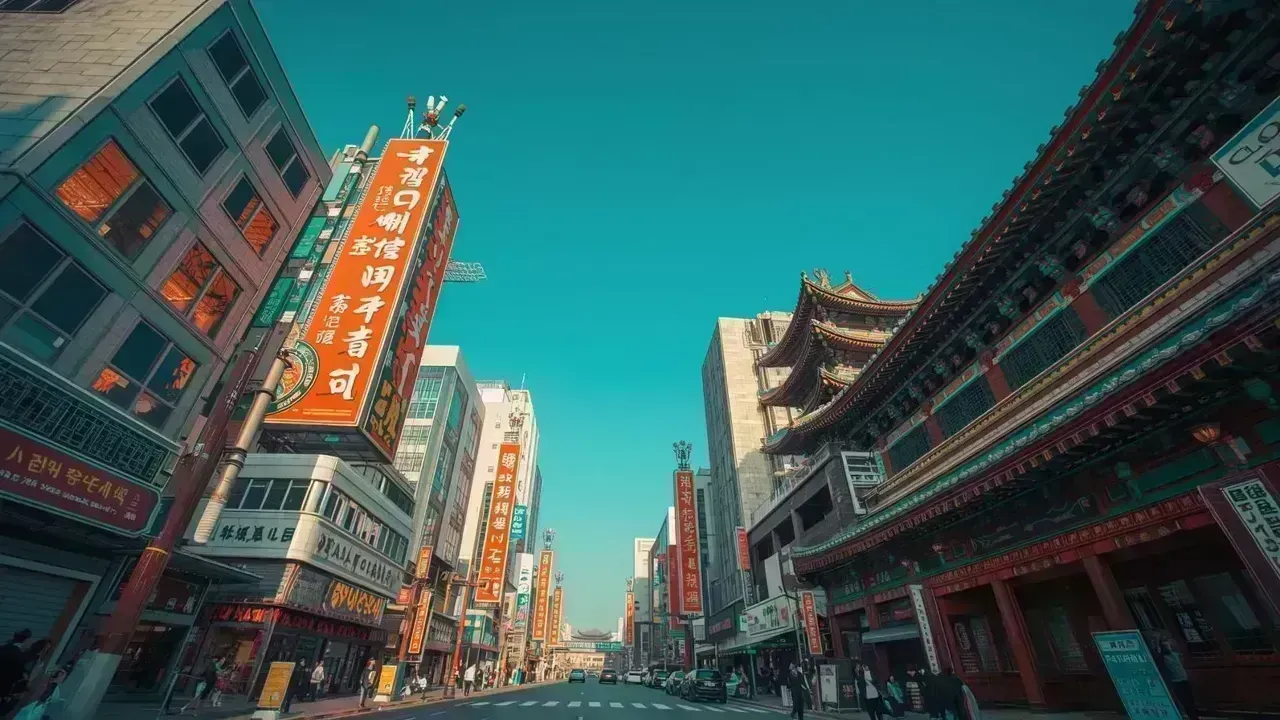
When it comes to traveling in South Korea, many might think that flying between cities is the quickest option. However, a growing number of tourists are opting to traverse the country entirely without using domestic flights. With a highly efficient transportation system and a compact landscape, South Korea offers travelers the chance to discover its cities, mountains, coastlines, and cultural landmarks comfortably by land. This guide outlines the methods tourists can use to explore South Korea without taking to the skies and why this trend is gaining traction.
Why Tourists Are Choosing Land Travel in South Korea
While domestic flights can save time, they often limit flexibility and local engagement. Travelers are increasingly favoring slower, yet more connected and immersive modes of exploration.
Compact Geography Eliminates the Need for Flights
Given South Korea's relatively small size, a high-speed train journey from Seoul to Busan takes just about 2.5 hours, often matching or surpassing the time required for flying once you factor in airport transfers and security.
Exceptional Ground Transport System
Known for their punctuality, cleanliness, and safety, South Korea’s buses and rail networks are designed to be user-friendly, particularly for first-time visitors.
Economic Advantages
While flights can become costly during peak travel seasons, trains and buses maintain consistent pricing, offer discounts, and provide travel passes to optimize your budget.
Greater Opportunities for Cultural Engagement
Traveling by land allows tourists to soak in countryside landscapes, charming towns, coastal paths, and cultural experiences that flights tend to overlook.
High-Speed Trains: The Core of Travel
The KTX (Korea Train Express) exemplifies why tourists are able to forgo flights in favor of rail travel.
KTX Benefits for Tourists
- Reaching speeds of up to 300 km/h
- Direct routes between major cities
- Comfortable seating with space for luggage
- Clean stations conveniently located in city centers
- Shorter check-in times compared to air travel
Tourists regularly utilize KTX to travel between key hubs like Seoul, Busan, Daegu, Daejeon, and Gwangju.
Perceived Speed of KTX Versus Flying
In air travel, passengers face complications like reaching airports located far from city centers, early arrivals for security checks, and similar procedures upon arrival. In contrast, KTX allows travelers to arrive minutes before departure and lands them directly in city centers.
Regional Trains: Offering Scenic Alternatives
Aside from high-speed options, regional trains provide routes to explore less commercialized locales.
Who Should Opt for Regional Trains?
- Those visiting rural regions
- Cultural enthusiasts eager to see traditional towns
- Budget-conscious travelers avoiding high fares
- Advocates of slow travel
These trains link coastal villages, mountainous areas, and historical towns that flights don’t service.
The Cultural Significance of Regional Travel
Traveling via regional trains offers visitors glimpses into daily Korean life, local snacks near stations, and evolving landscapes rather than rapid transitions.
Intercity Buses: An Underappreciated Travel Resource
Many tourists are surprised to realize that intercity and express buses are one of the most effective means of traversing South Korea.
The Efficiency of Bus Travel
- Comprehensive national coverage
- Regular departures
- Comfortable, reclining seats
- Climate control and onboard services
- Affordable fare structures
Buses reach even the remotest towns, coastal spots, and national parks.
Express Bus Terminals: Centralized Travel Hubs
In major cities, express bus terminals serve as functional hubs featuring food courts, rest areas, luggage storage, and easy metro access for seamless transfers.
Metro Systems Extending Beyond Cities
South Korea's metro systems reach far beyond urban centers.
Extended Metro Lines
In cities like Seoul, Busan, and Incheon, metro lines extend into suburbs, satellite towns, and popular tourist sites.
Why Tourists Trust the Metro
- Clear English signage
- Convenient payment options with travel cards
- Reliable scheduling
- Direct routes to key attractions
Tourists often mix metro travel with regional trains to avoid flights entirely.
Coastal Exploration Without Air Travel
South Korea's stunning coastlines rank among its biggest draws, easily accessible via land.
Journeying Along the East Coast
Tourists make the trip from Seoul to Gangneung by train, then continue south along the shoreline using a combination of buses and local trains to check out beaches, seafood towns, and picturesque spots.
Accessing South Coast Islands
Instead of flying, travelers can reach ferry terminals by train or bus and then board boats to islands like Geoje or quaint fishing communities.
Advantages of Coastal Land Travel
- Scenic routes that air travel misses
- Freedom to stop at numerous towns along the way
- More economical than flights to islands
- Robust ferry services
Exploring Nature and Mountains Without Air Travel
South Korea's interior features abundant parks and mountains.
Accessing National Parks via Land
Major parks can usually be reached through intercity buses from nearby urban centers.
The Importance of Land Travel
Air travel does not place tourists near trails, viewpoints, or temples. Ground transport permits direct access from door to several destinations.
Travel Passes for Easy Journeys
To ease travel, many tourists opt for rail and transportation passes.
Advantages of Rail Passes
- Unlimited trips within selected routes
- Cost efficiency for multi-stop journeys
- Flexibility in itinerary changes
- Less strict baggage policies compared to flights
These passes promote exploration beyond tourist hotspots.
Simplifying Luggage Handling
One common worry for travelers is managing luggage.
Easier Luggage Management on Ground Transport
- No stringent weight restrictions
- No baggage fees
- Ample storage on both trains and buses
Some tourists even utilize luggage delivery solutions between locations to travel light during outings.
Efficient Time Management without Domestic Flights
Choosing to skip flights does not equate to losing valuable time.
Strategic Itinerary Planning
Tourists often plan their travels in logical sequences to move smoothly from one location to another without doubling back.
Options for Overnight Travel
Late-night buses and early morning trains allow for increased sightseeing opportunities.
Less Stressful Travel
Avoiding airport lines, delays, and security checks greatly reduces travel-related fatigue.
Digital Tools Enhancing Land Travel
South Korea’s technological resources bolster land travel effectively.
Helpful Navigation and Scheduling
Transport applications deliver real-time updates, platform numbers, and travel planning in English.
Cashless Transaction Efficiency
Travel cards are accepted across metros, buses, and some taxis, simplifying the payment process.
Environmental Responsibility in Travel Choices
Many tourists are deciding against flights for ecological reasons.
Promoting a Lower Carbon Footprint
Traveling by train or bus results in far lower emissions per passenger compared to air travel.
Boosting Local Economies
Land travel encourages spending in small towns, eateries, and regional attractions.
Addressing Challenges and Solutions
No travel method is flawless.
Language Barriers
Most transport systems provide English signage, announcements, and assistance from staff.
Avoiding Crowds During Peak Seasons
Travelers often choose to leave early in the morning or travel during weekdays to mitigate congestion.
Clearing Navigation Confusion
Simple station layouts and digital maps help travelers minimize mistakes.
A Common Land-Only Travel Route
Many tourists follow itineraries such as:
Seoul → Jeonju → Gwangju → Busan → Gyeongju → Daegu → Seoul
Covering history, food, coastline, and urban culture without relying on flights.
Reasons for the Growing Popularity of This Travel Style
Tourists increasingly prefer convenience, adaptability, ecological sensitivity, and rich experiences over mere speed. South Korea’s infrastructure supports all these elements while reducing reliance on air travel.
Final Thoughts on Traveling in South Korea without Air Travel
Traveling across South Korea without flights isn’t merely a compromise—it's often a superior option. Visitors gain greater cultural insights, the streamlined handling of logistics, reduced stress, and enhanced value. The nation's transport systems render land-based travel not just feasible, but exceptionally efficient.
For tourists keen to see beyond the conventional sites and stay within the true experience of South Korea, rejecting flights opens avenues to a richer journey.
Disclaimer
This article is intended solely for informational purposes. Travel routes, schedules, and the availability of transportation may change due to seasonal alterations, policy revisions, or local conditions. Travelers are advised to verify transport services, timetable, and regional regulations before organizing their trips.


 English