Post by : Shweta
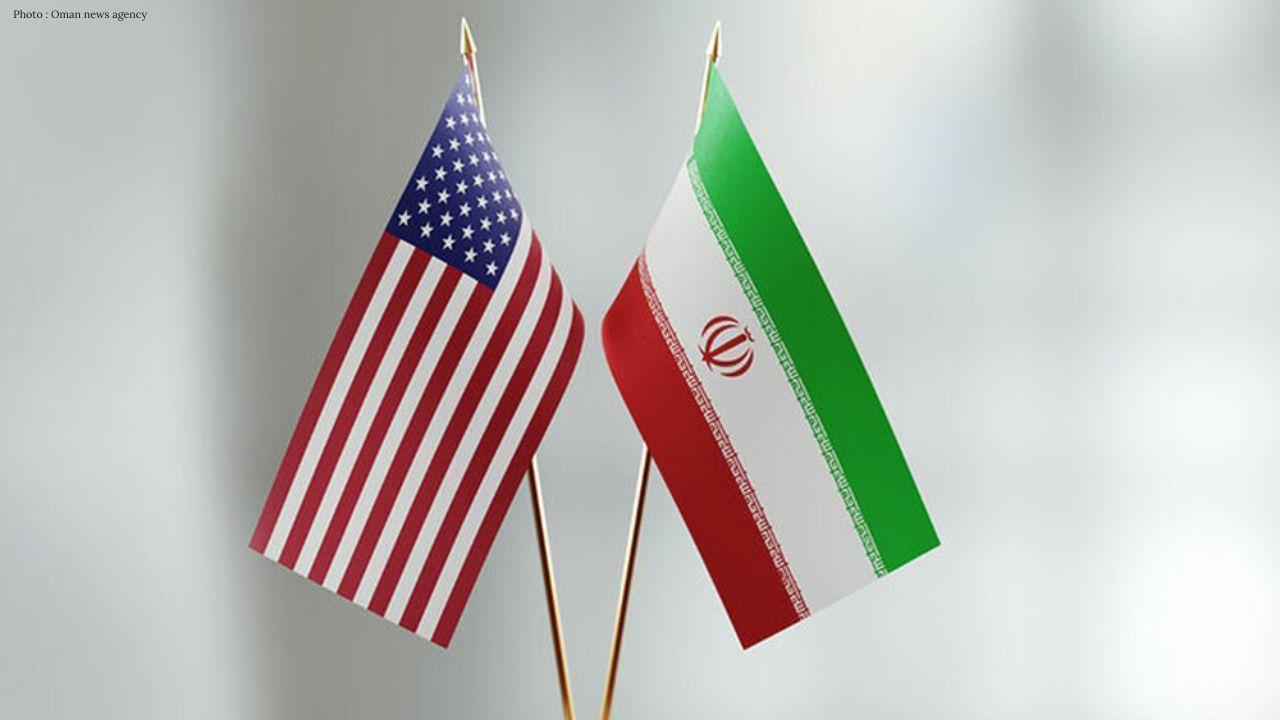
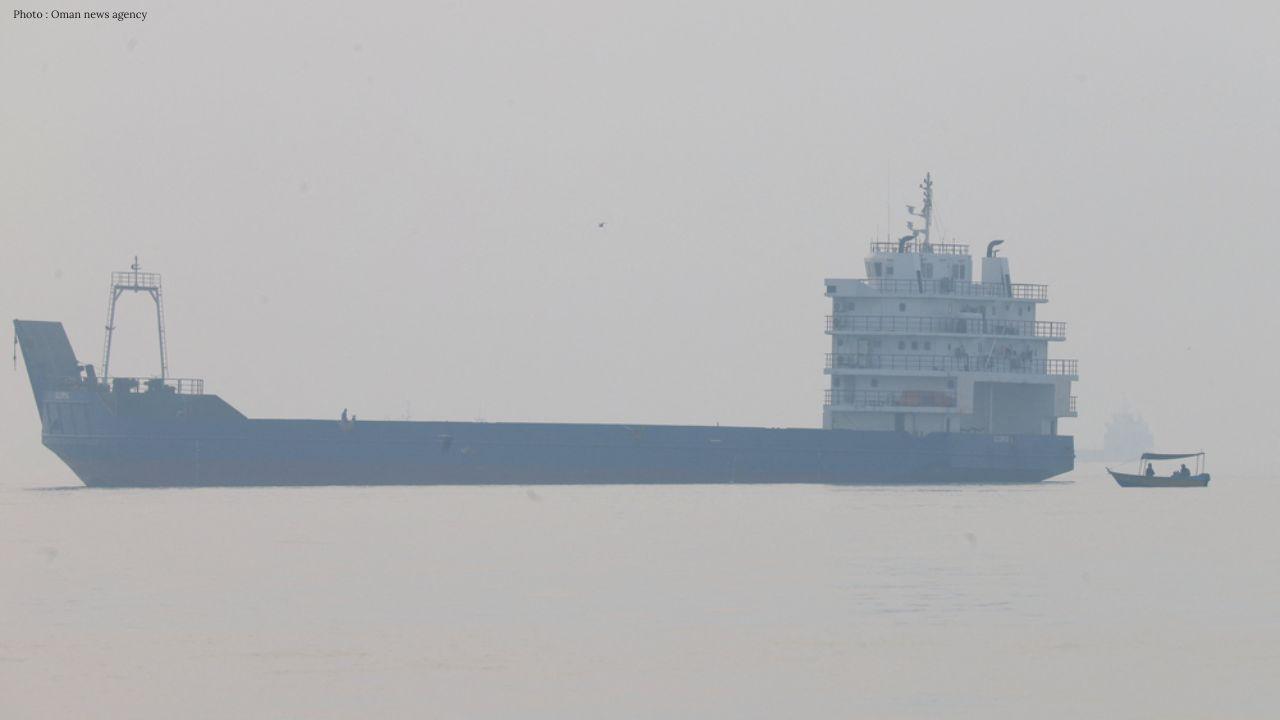
The European Union is actively assessing strategies to secure and stabilize jet fuel supplies as the ongoing conflict involving Iran impacts global energy dynamics. This issue has escalated due to interruptions in the Strait of Hormuz, a vital route for a significant portion of the world’s oil and fuel.
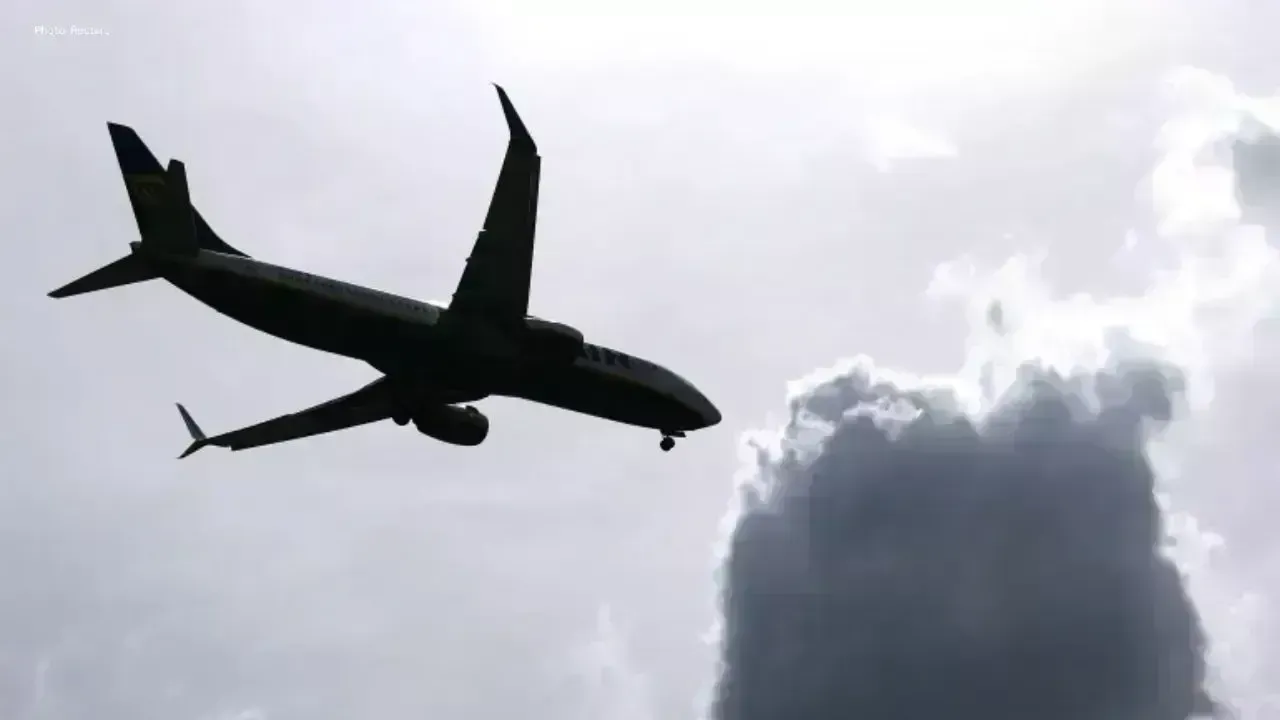
While there are no immediate jet fuel shortages reported, European officials recognize the increasing pressure on supply chains. Transport Commissioner Apostolos Tzitzikostas noted that fuel reserves in various regions of Europe are becoming constrained. Still, he assures that the markets remain operational and extensive flight cancellations are not imminent. However, rising fuel prices have already led some airlines to modify their routes or impose extra fees on passengers.
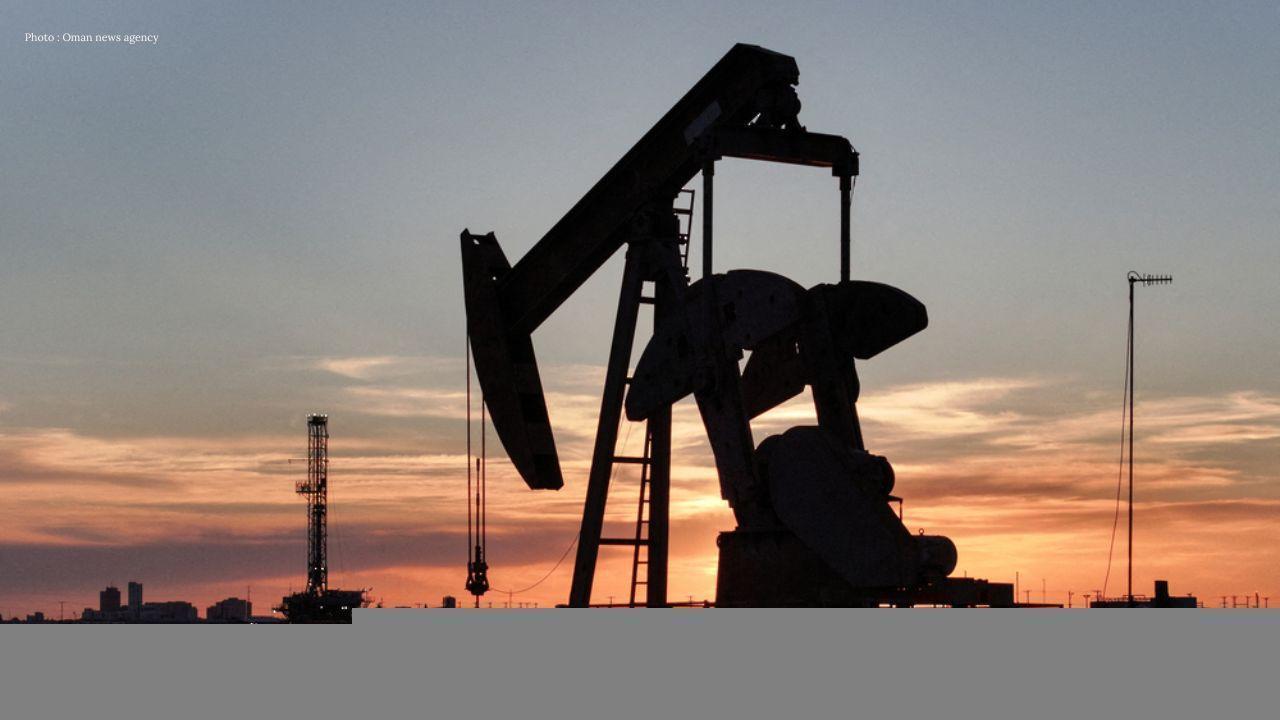
Europe’s substantial dependence on imported jet fuel—about 30 to 40 percent—raises significant concerns given the ongoing tensions in the Middle East, where much of the supply originates. The head of the International Energy Agency has cautioned that Europe might encounter significant supply challenges if disruptions persist.
In reaction to these challenges, the European Commission is weighing several measures to mitigate risk. These include increasing imports from alternative suppliers like the United States and instituting minimum reserve mandates to ensure member states retain emergency fuel supplies. Additionally, plans are underway to implement a fuel monitoring initiative, often called a “fuel observatory,” to keep tabs on supply levels and rapidly address any shortages.
As Europe gears up for the busy summer travel season, the threat of fuel shortages comes at a crucial time. Significant increases in aviation demand could result from any disruptions in fuel availability, potentially affecting flight schedules and travel plans. While officials maintain that the situation remains manageable currently, the importance of preparedness for possible escalations cannot be understated.
The EU’s approach highlights the pressing necessity of stable energy supplies, especially for critical sectors like aviation, as geopolitical tensions continue to influence global trade routes and fuel markets.


 English