Post by : Saif
Al-Najjar
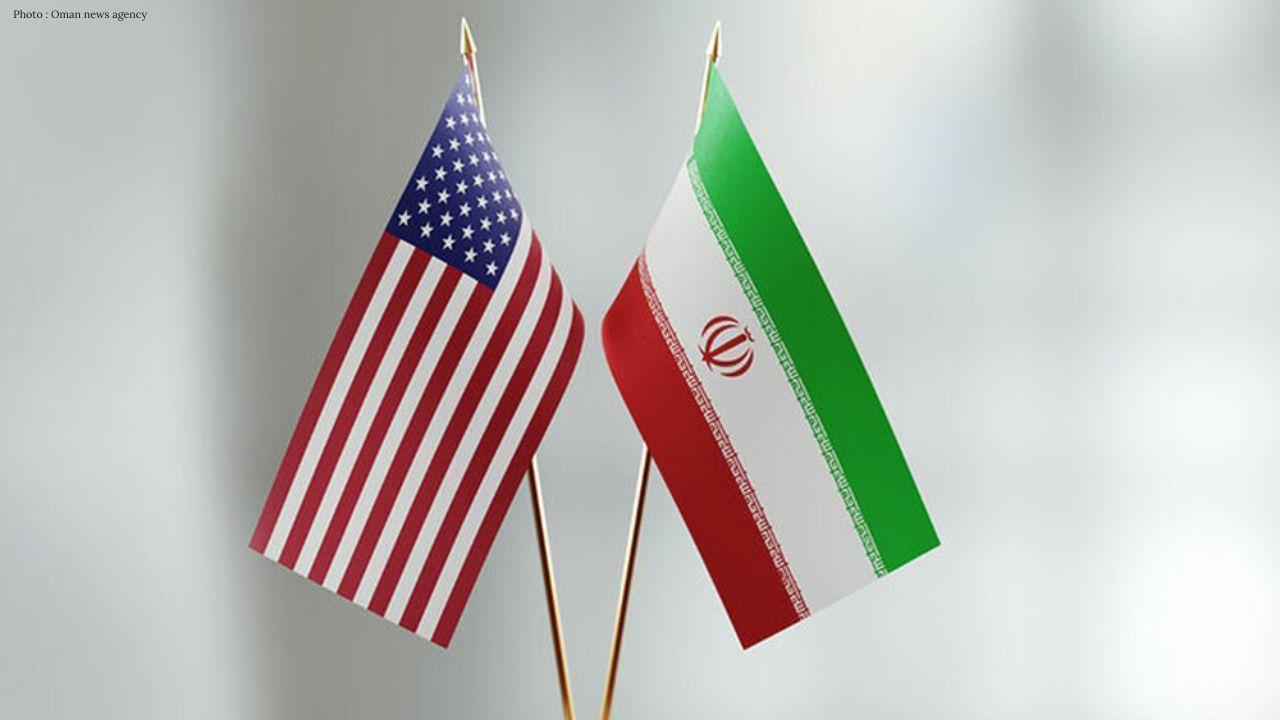
The Strait of Hormuz has re-emerged as a significant flashpoint in the escalating tensions between the United States and Iran. Both countries are asserting their influence over this pivotal shipping lane in light of recent military actions across the Middle East. These developments have sparked increased apprehension regarding global energy supplies, shipping safety, and regional stability.
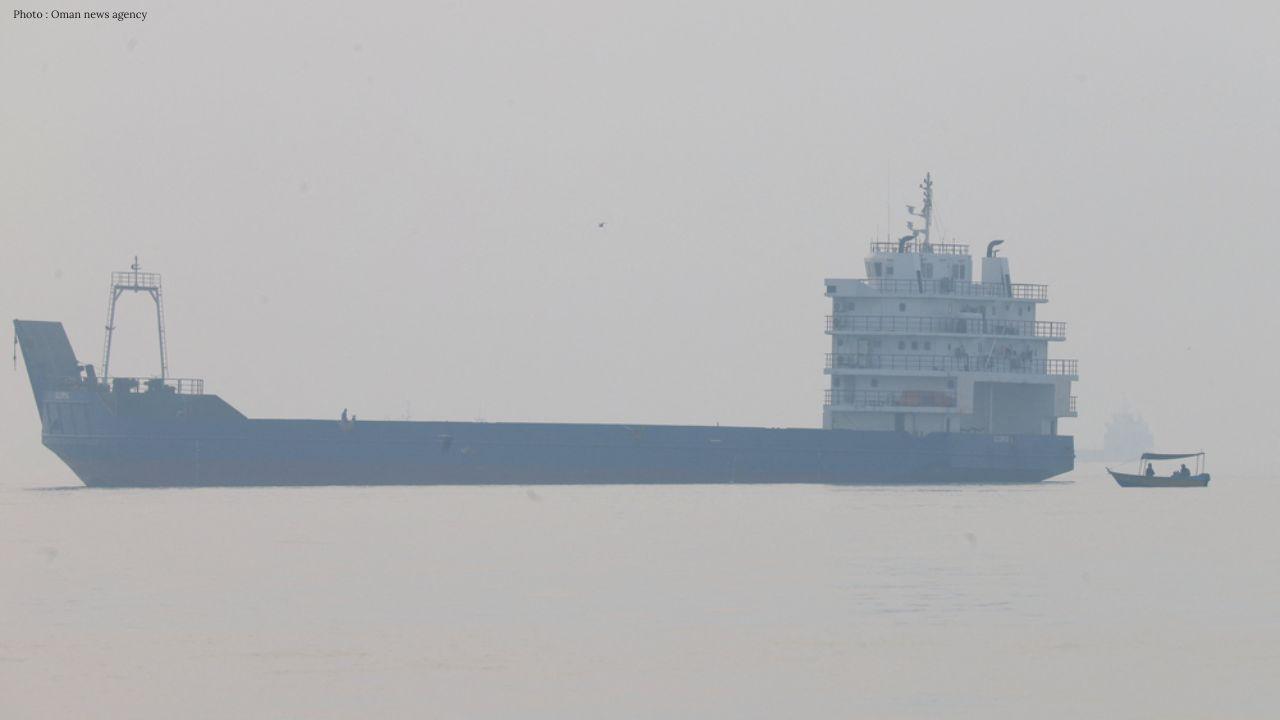
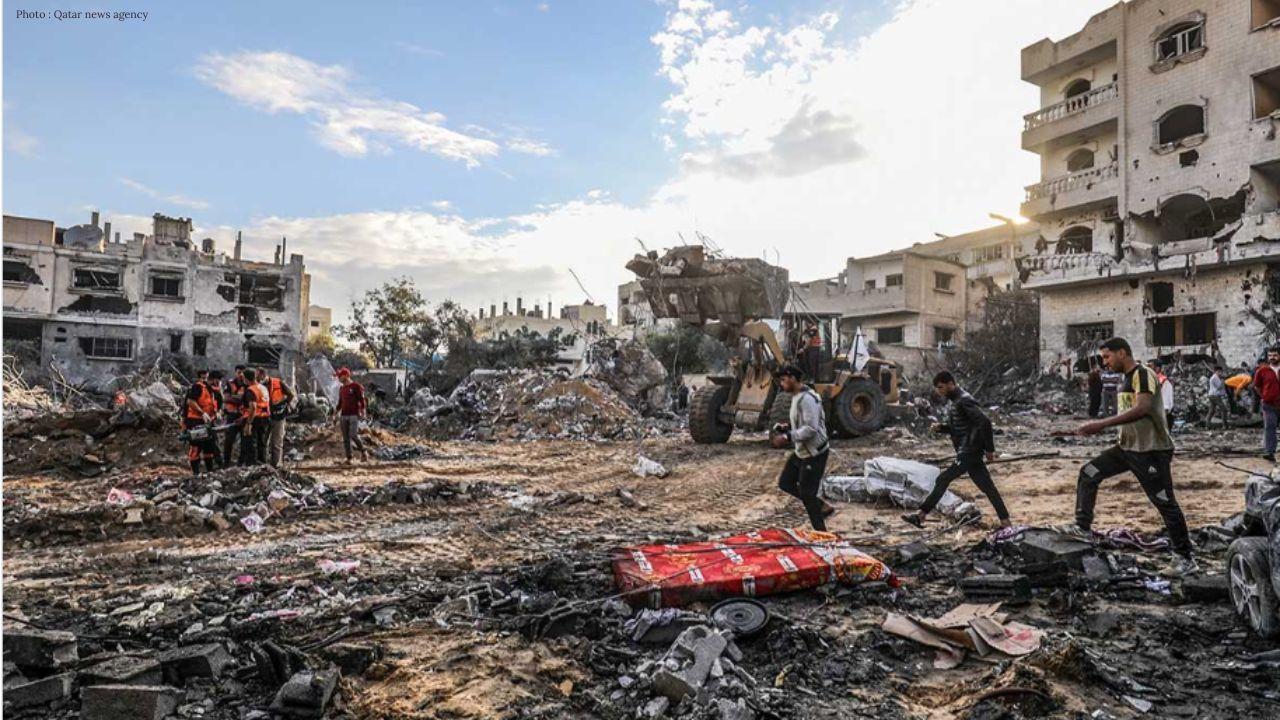
Following a series of military engagements over the weekend, including an incident involving a commercial vessel off the coast of Oman, fears are growing that diplomatic initiatives aimed at easing tensions may fail, risking an escalating regional conflict.
US Launches Targeted Strikes on Iranian Sites
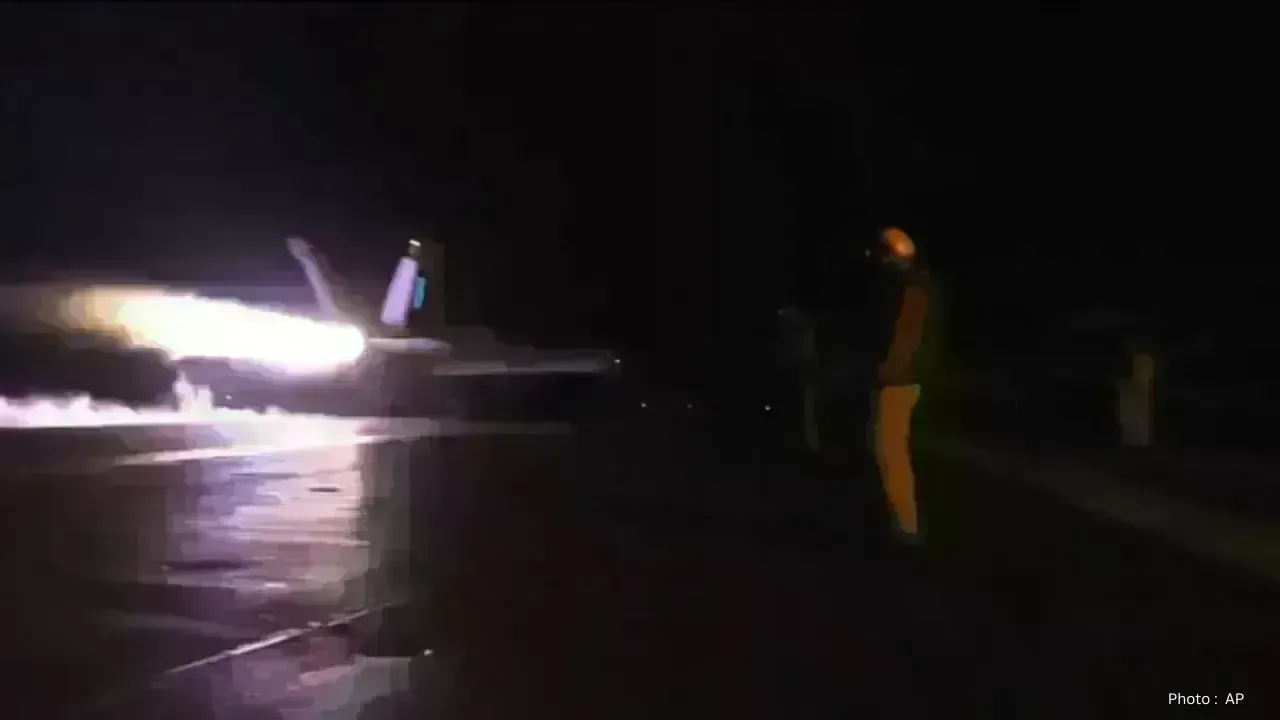
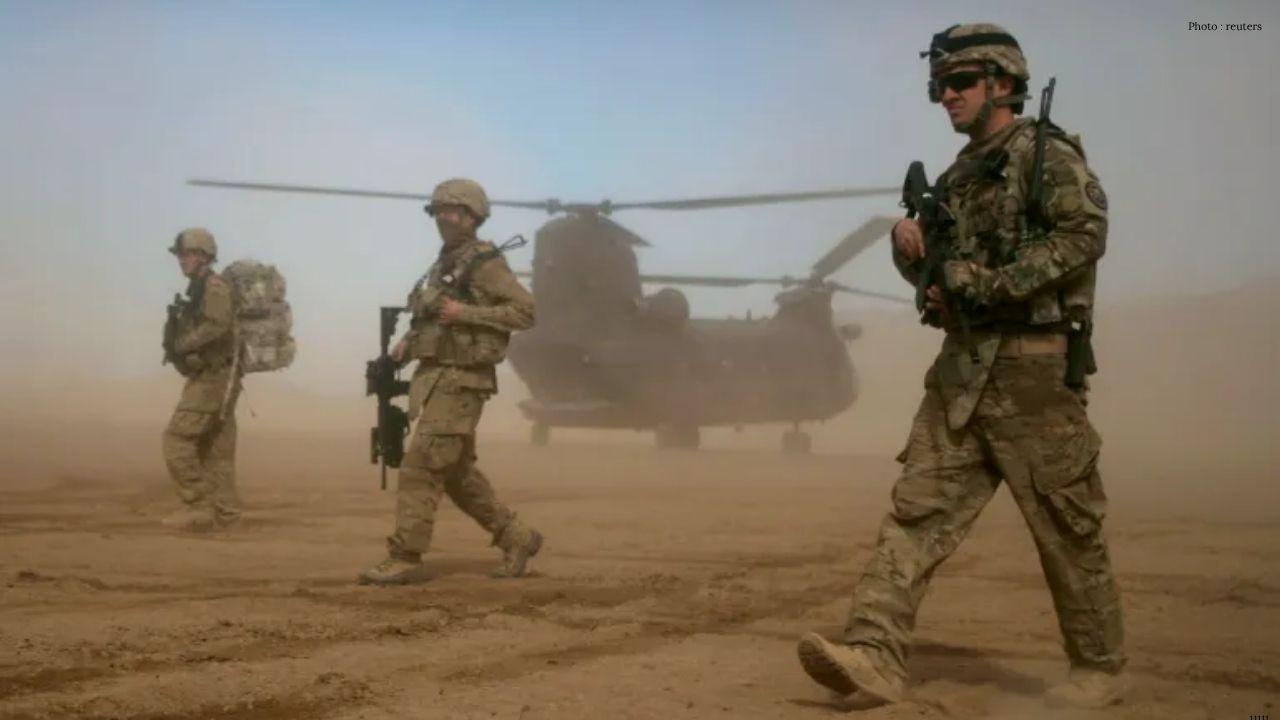
In a decisive move, the United States has carried out a new round of precision strikes on multiple Iranian sites. US officials reported that these operations focused on key assets including air defense systems, radar installations, missile sites, drone facilities, and fast attack boats that reportedly facilitate military operations in the Gulf.
The US military has emphasized that these actions aim to diminish Iran's operational capabilities while safeguarding international shipping and US interests in the region. Furthermore, they reiterated that the Strait of Hormuz should maintain its status as an open international waterway for global trade.
Iran Stresses Presence Around the Vital Waterway
Iran has intensified its presence around the Strait of Hormuz, which serves as a crucial corridor for energy transport. This narrow channel connects the Persian Gulf with the Gulf of Oman and is vital for international crude oil and liquefied natural gas (LNG) exports.
As hostilities have escalated since earlier this year, commercial shipping has experienced numerous interruptions, including vessel attacks and heightened security threats. Shipping firms are revisiting their routes, while governments closely observe the evolving situation.
Global Energy Sector on High Alert
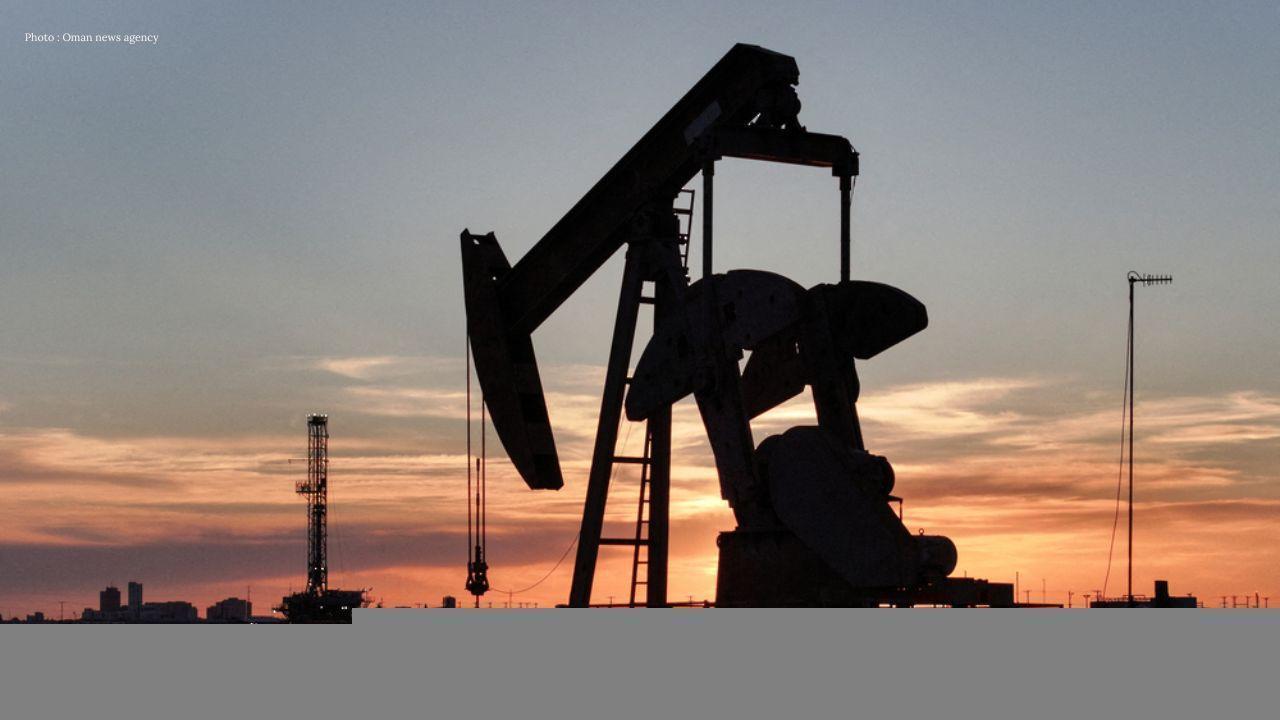
The importance of the Strait of Hormuz in the global energy landscape cannot be overstated; a considerable portion of the world’s oil and gas exports transit this passage daily. Any disruption could impact international fuel supplies, increase transportation expenses, and drive oil prices upward.
Experts are warning that ongoing military operations in the Gulf could further strain global markets, especially if commercial shipping remains unable to operate securely in the area.
Challenges for Diplomatic Initiatives
The recent hostilities come in spite of a temporary agreement aimed at paving the way for more extensive peace talks between the United States and Iran. However, persistent violence in the Strait of Hormuz has dampened hopes of achieving a sustainable solution.
UN Secretary-General António Guterres has called upon all involved parties to de-escalate tensions, warning that a reversion to full-scale conflict would yield devastating humanitarian, economic, and security impacts for both the region and the globe.
While channels for diplomacy remain open, analysts predict that the next few weeks will be critical in determining whether negotiations can continue or if military engagements will escalate.


 English