Post by : Sami
Al-Rahmani
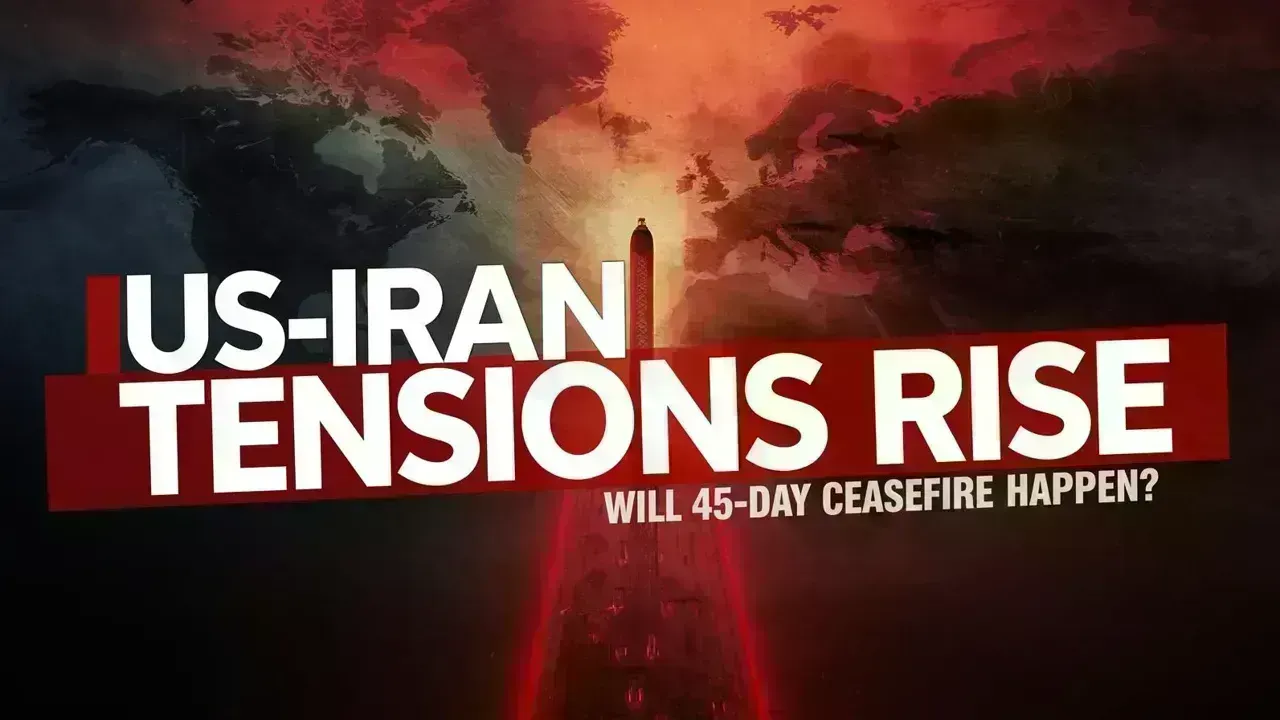
Escalating US-Iran Tensions: Is a 45-Day Ceasefire on the Horizon?
The conflict between the US and Iran has reached a crucial juncture, drawing worldwide scrutiny towards a proposed 45-day ceasefire that may temporarily halt hostilities. Diplomatic maneuvers are gaining momentum, yet the likelihood of this ceasefire materializing remains tenuous and largely contingent on political maneuvers.
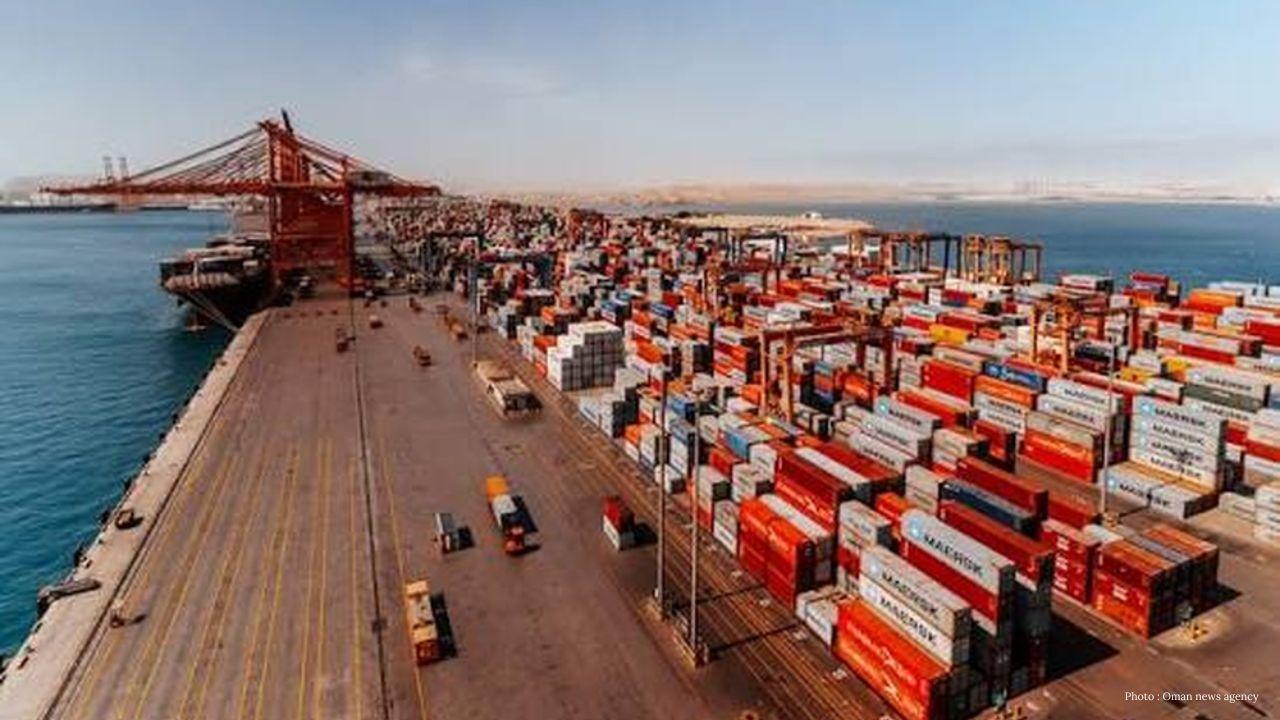
Central to this crisis is the strategically vital Strait of Hormuz—a narrow passageway through which nearly 20% of global oil supply is transported. Disruptions in this area have immediate implications for energy markets, trade routes, and overall economic health. Present tensions have already intensified fears surrounding supply security and price volatility.
Understanding the 45-Day Ceasefire Proposal
The proposed 45-day ceasefire is viewed as a temporary measure aimed at defusing immediate tensions and paving the way for extended negotiations. Key components include:
- Ceasing military operations for a period of 45 days
- Facilitating safe passage and the reopening of vital oil shipping lanes
- Employing this interval to initiate long-term peace discussions
This plan is regarded as a confidence-building initiative, rather than a comprehensive solution. It seeks to mitigate immediate threats while allowing for dialogue in a non-hostile environment.
However, significant hurdles remain, as both parties have yet to fully align on the specifics of the proposal.
Importance of the Ceasefire During Current Tensions
This initiative transcends a mere diplomatic gesture, emerging at a time when the conflict has already prompted:
- Steep increases in global oil prices
- Disruptions to shipping and trade networks
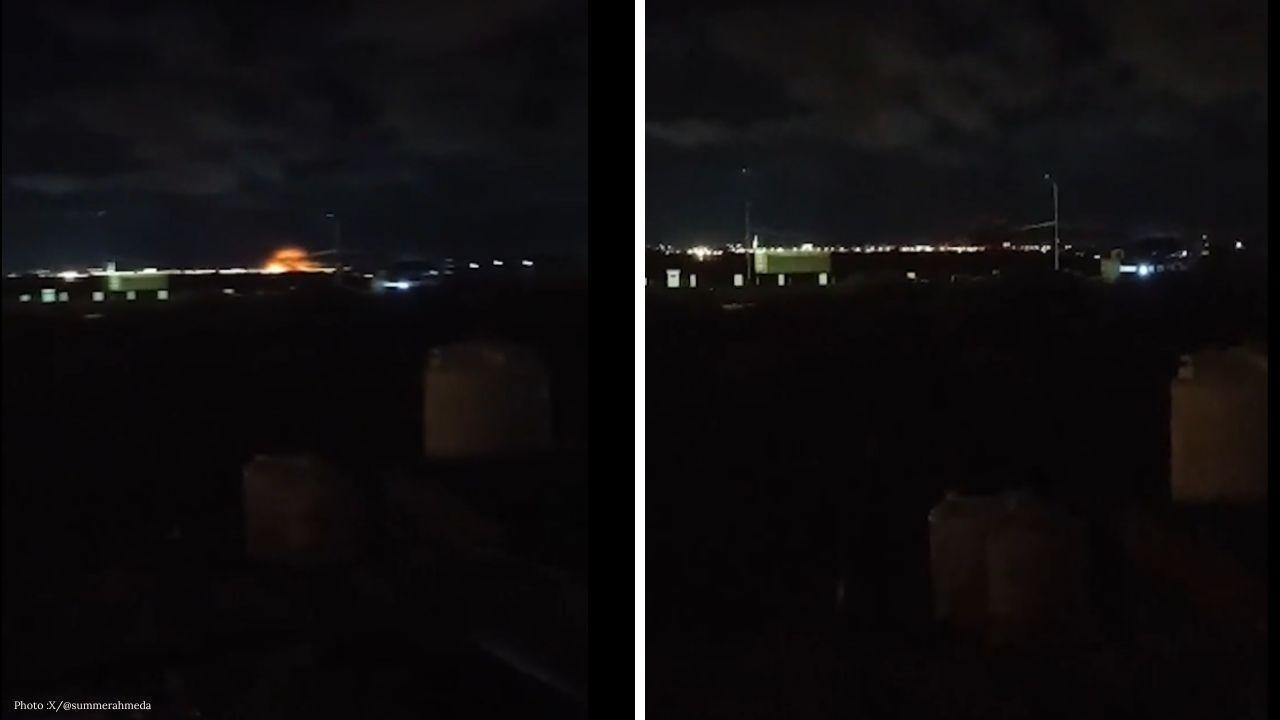
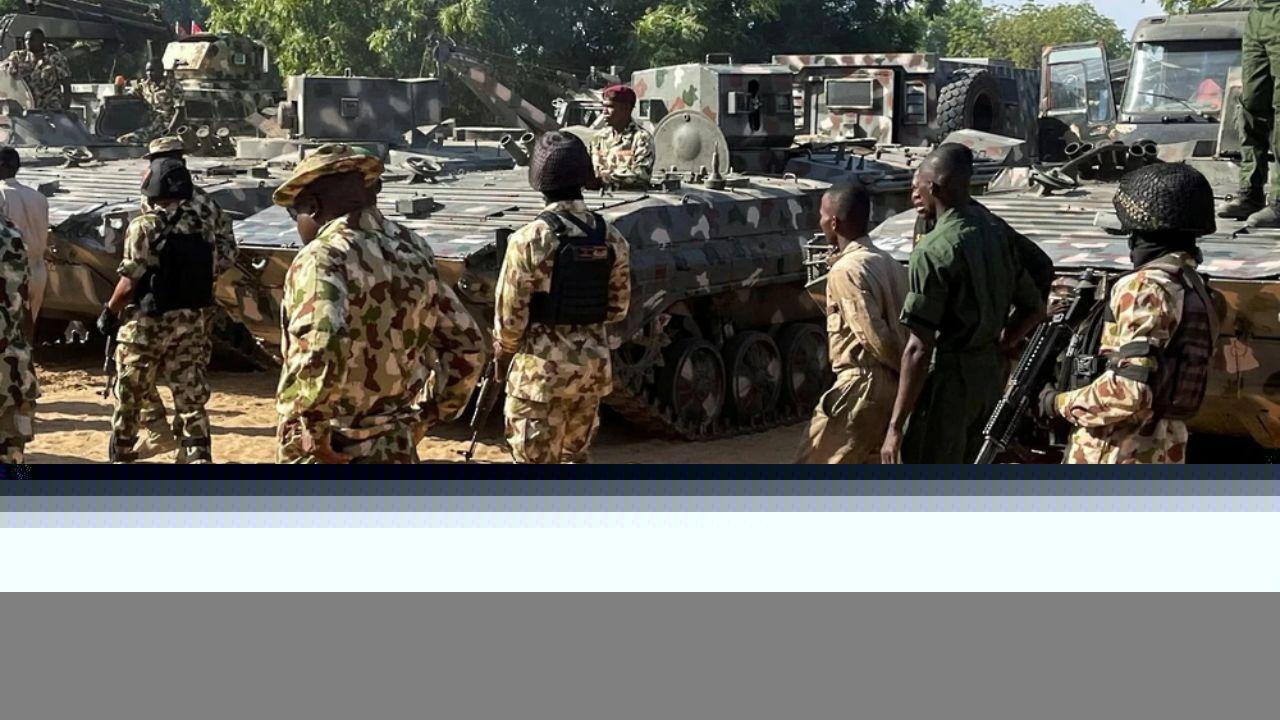
- Heightened military activities in the region
- Growing global economic uncertainty
Instability around the Strait of Hormuz has diminished tanker traffic, amplifying fears of an extended energy crisis. A ceasefire, even if temporary, could:
- Stabilize energy markets
- Rebuild confidence in shipping
- Mitigate the risk of broader regional conflict
Trump's Ultimatum Fuels the Fire
A significant influencer in these evolving dynamics is Donald Trump's firm stance, which has introduced a clear ultimatum regarding the Strait's reopening.
This ultimatum has:
- Increased pressure on diplomatic efforts
- Heightened urgency surrounding the ceasefire
- Elevated the risk of a military escalation
While such directives aim for quick resolutions, they may complicate negotiations by fostering tensions and mistrust among involved parties.
Iran's Stance: Cautious and Unyielding
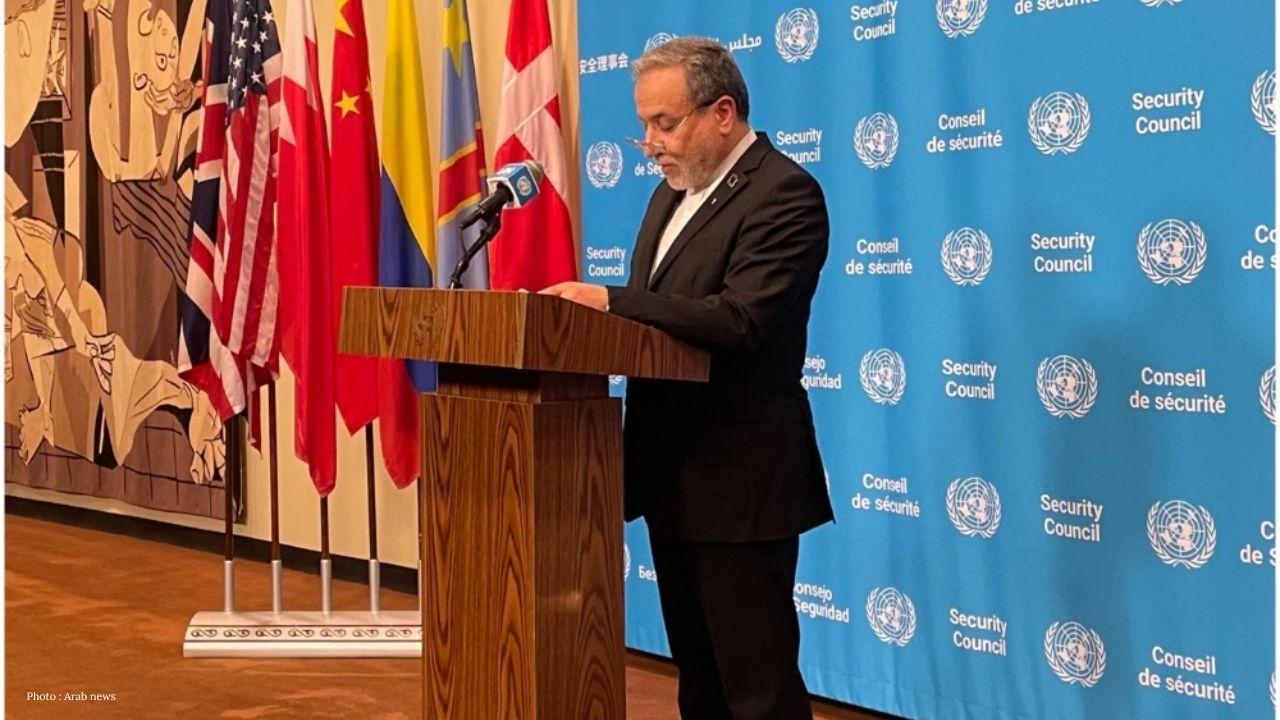
Iran has expressed that while discussions regarding the ceasefire are ongoing, its position remains guarded and skeptical.
Primary concerns include:
- Fear that a temporary ceasefire might bestow strategic advantages to rivals
- Willingness to discuss the ceasefire but hesitant to act without long-term guarantees
- Persistent distrust regarding US intentions
Iran’s approach suggests openness to talks but not readiness to make short-term concessions without binding long-term agreements.
Negotiation Challenges Ahead
Despite ongoing efforts from various international entities, reaching an agreement for a ceasefire remains challenging due to critical barriers, including:
- Deep-seated mistrust between the two nations
- Continued military engagements
- Conflicting views on sanctions and geopolitical policies
- External pressures from regional allies and worldwide stakeholders
These issues make it arduous to find common ground, even for a short-term arrangement.
Global Repercussions of Ongoing Conflict
As the conflict persists, the effects are becoming more extensive.
Energy Markets:
Rising oil prices continue to stir worries about supply disruption, impacting global economies.
Economic Challenges:
Increasing fuel costs lead to heightened inflation, affecting consumer purchasing power.
International Trade:
Disruptions in shipping further escalate costs and delays, straining global supply chains.
Geopolitical Stability:
Concerns are mounting that the conflict could spiral into a wider regional crisis.
Is a Ceasefire Still Achievable?
Even amid difficulty, a ceasefire could still materialize.
- Diplomatic channels remain active
- Both nations are indirectly in talks
- Economic pressures necessitate a resolution
The 45-day ceasefire is proposed as a practical compromise, granting temporary relief without immediate resolution of fundamental disputes.
Success hinges on whether both sides can:
- Exhibit flexibility in negotiations
- Foster mutual trust during the ceasefire
- Prioritize stability over conflict escalation
Consequences of a Failed Ceasefire
If the ceasefire does not materialize, the ramifications could be severe:
- Continued increases in oil prices
- Heightened risks of military escalation
- Greater disruption to global trading
- Potential for a broader conflict involving additional nations
This scenario would not only affect the region but also carry global economic repercussions.
The proposed 45-day ceasefire presents a vital opportunity to reduce tensions and avert further escalation. Yet, entrenched political stances, ongoing military risks, and pervasive mistrust ensure the situation remains uncertain.
As global observers monitor developments surrounding Donald Trump and the tension in the Strait of Hormuz, the forthcoming days could determine whether diplomacy prevails or if the crisis worsens.
Disclaimer
This piece is intended for informational purposes only, capturing the latest global events. The situation may evolve rapidly based on geopolitical actions and occurrences.


 English