Post by : Shakul
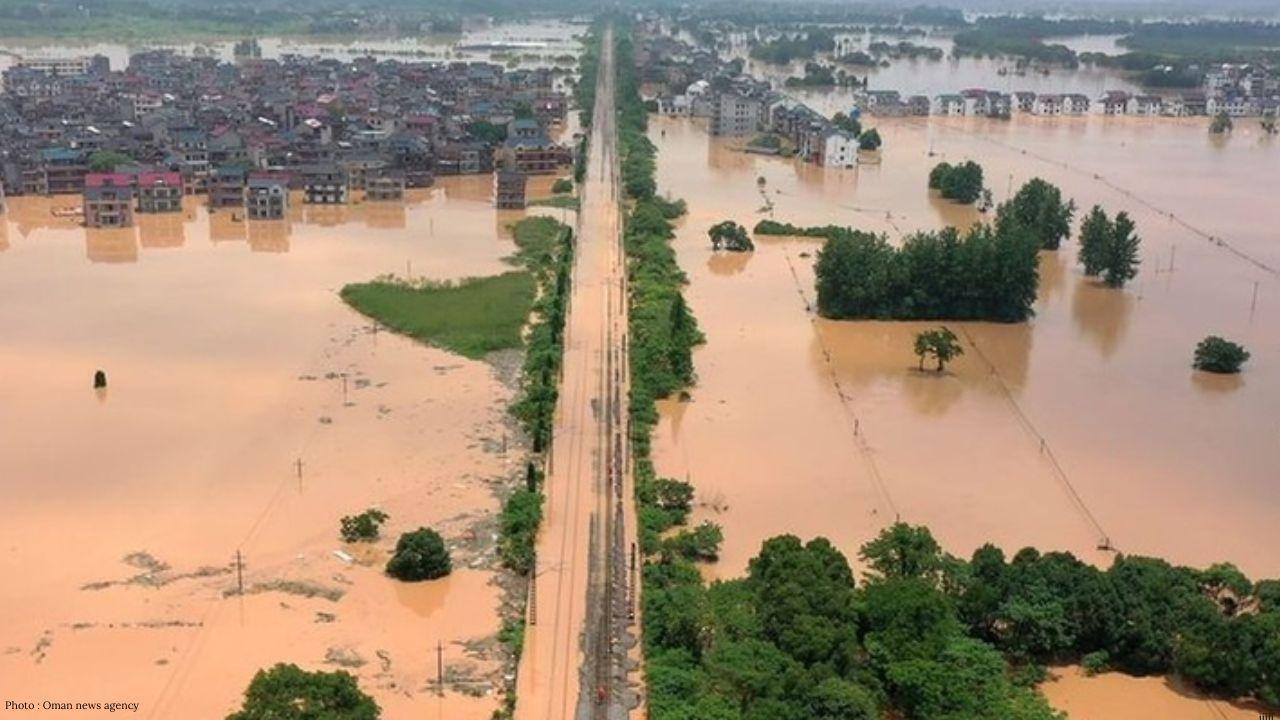
India is grappling with significant challenges in water resource management as a burgeoning population, urbanization, and climate change intensify pressures on its freshwater sources. Despite receiving nearly 4,000 billion cubic metres of rainfall each year, only a portion is adequately captured and utilized. Experts assert that the core issue is not merely scarcity, but the governance and administration of water resources throughout the nation.
Housing nearly 20% of the world's population while possessing just 4% of its freshwater, India faces a daunting water crisis. Policy reviews indicate that about 600 million individuals still confront severe water stress, exacerbated by erratic rainfall, inadequate storage systems, groundwater depletion, and ineffective distribution networks that challenge both urban and rural communities.
In response, government bodies and policy specialists are targeting enhancements in water governance via improved planning, advanced irrigation methods, and technological innovations. Initiatives like wastewater recycling, rainwater harvesting, digital monitoring systems, and sustainable agricultural techniques are being championed to bolster long-term water security. Experts highlight these reforms as critical for India to fulfill its developmental aspirations and sustain economic growth by 2047.
The agricultural sector, being a critical water consumer, often relies on traditional methods that result in significant wastage, particularly in drought-prone regions. To mitigate this, officials are urging farmers to transition to drip and sprinkler irrigation, which optimize water use and enhance crop yields. Additionally, various state governments are conducting awareness campaigns to advocate for water-efficient farming practices.
Urban territories are increasingly aware of escalating water shortages as demand surges. Major cities are prioritizing investments in wastewater treatment facilities, intelligent water distribution systems, and groundwater replenishment initiatives. Policymakers assert that treated wastewater could provide a vital alternative for non-potable industrial uses, easing the burden on freshwater supplies.
Environmental specialists emphasize the necessity for improved collaboration between central and state governments to ensure effective water management. They advocate for river conservation, wetland protection, proper reservoir maintenance, and proactive groundwater monitoring as fundamental to long-term sustainability. Examples from countries like Israel and Singapore are being evaluated for their promising water reuse and conservation strategies.
India's initiatives to bolster water governance align with the United Nations Sustainable Development Goal 6, which emphasizes clean water and sanitation for everyone. Policymakers contend that enhancing institutional frameworks, elevating public awareness, and developing modern infrastructure will be crucial in safeguarding the nation’s water future and promoting social and economic growth in the years to come.


 English