Post by : Bianca
Haleem
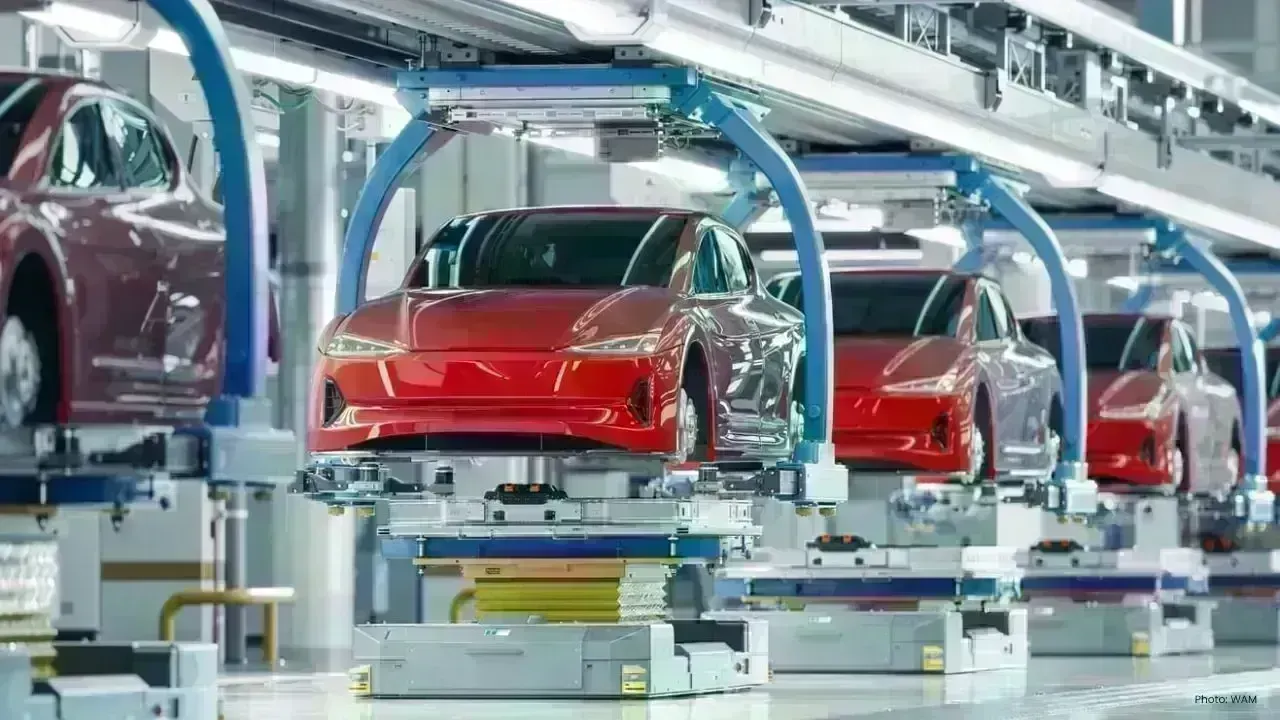
In May, the landscape of Germany's electric vehicle (EV) sector adjusted dramatically with a reduction in manufacturer discounts following the initiation of a new government subsidy scheme designed to promote eco-friendly transport solutions.
Recent data published by the Centre Automotive Research (CAR) highlights a decrease in incentives for electric vehicles as the German government rolls out retroactive purchase subsidies for vehicles registered in 2026.
The report shows that the average discounts across the 20 most popular electric vehicles dropped from 19.5 percent in January to 18.6 percent in May. This shift indicates a change from prior aggressive discount strategies employed by manufacturers to invigorate slowing EV sales.
According to Ferdinand Dudenhoeffer, Director of CAR, this pricing trend reflects a reassessment by automakers regarding consumer price sensitivity within the new subsidy conditions. The gap between electric and traditional internal combustion engine (ICE) vehicles is again on the rise.
Consequently, electric vehicles are now approximately €1,971 more expensive than equivalent petrol or diesel models, not considering any government financial aid available.
The report indicates that this drop in discounts is particularly clear within the smaller electric vehicle category, which stands to gain significantly from the new subsidy. These models are usually priced lower and cater to households likely to qualify for assistance.
Germany's subsidy initiative encompasses the purchase and leasing of new battery-electric vehicles, select plug-in hybrids, and EVs featuring range extenders—small combustion engines aiding battery recharge and extending driving distance.
For a vehicle to be eligible for the subsidy, it must be registered on or after January 1, 2026. The subsidy amount varies based on vehicle type, household income, and family size.
Households with annual incomes up to €80,000 may benefit from grants between €1,500 and €6,000. This programme is targeted solely at private individuals and excludes corporate vehicles.
German officials anticipate that the initiative could facilitate the support for as many as 800,000 vehicles, marking one of the most ambitious efforts to enhance the shift towards low-emission transport.
Market analysts will be monitoring the situation closely in the upcoming months to see how the reduction in manufacturer discounts and government support impacts consumer interest and electric vehicle penetration in Germany.


 English