Post by : Shweta
Amid the ongoing crisis involving Iran, a new opinion piece has emerged, urging reflection on public and media responses to unsuccessful diplomatic efforts. Titled “Rethinking Responses to Iran's Diplomatic Challenges,” the article addresses the recent collapse of peace negotiations between Iran and the United States and questions the rising inclination to mock mediation instead of recognizing its significance.
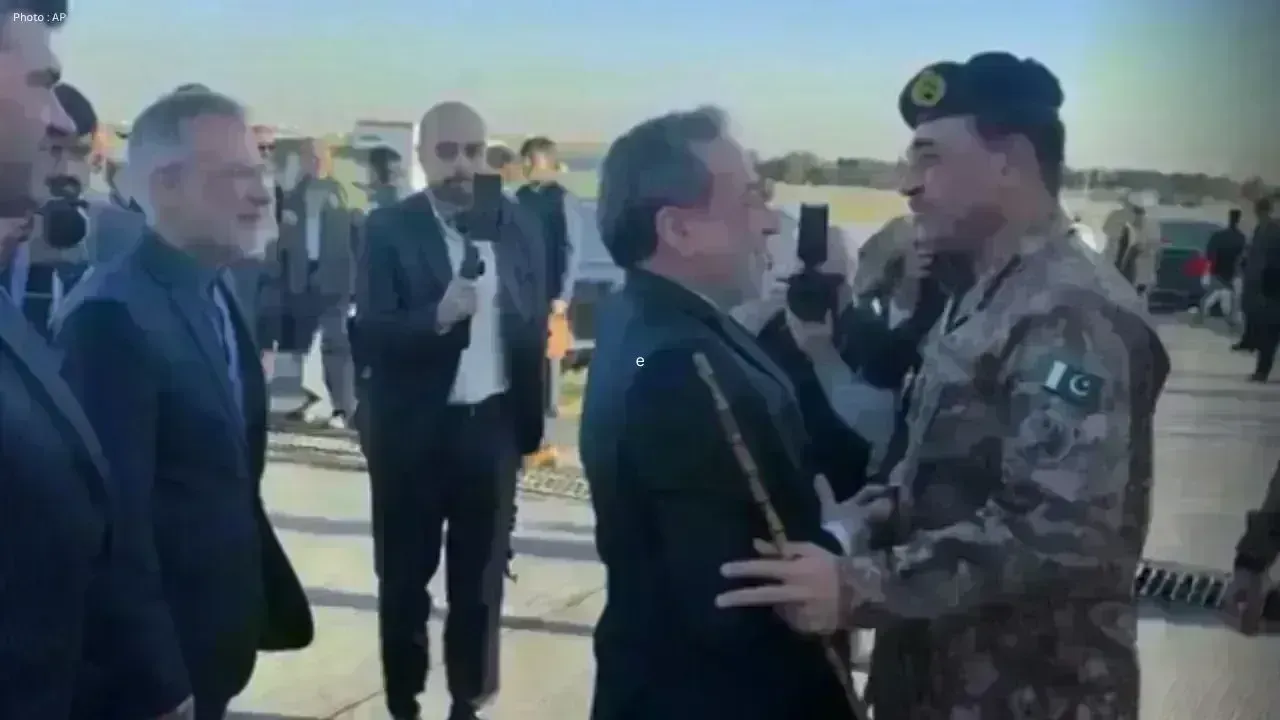
Written by Indian politician and academic Manoj Kumar Jha, the piece, published in Outlook India, elaborates on Pakistan's attempt to act as a mediator during the recent talks, amidst increasing regional tensions. The reaction from parts of the media, as noted by Jha, has leaned towards scorn rather than providing a nuanced understanding of the diplomatic efforts.
The opinion stresses that diplomacy should not be trivialized, particularly in volatile times. Even negotiations that do not culminate in success can contribute to averting larger conflicts and easing international tensions. The piece warns that mocking these attempts is symptomatic of a broader issue in contemporary political conversations, where the focus shifts to immediate “victories and defeats” instead of long-term peace and stability.
Moreover, the writer underscores the ripple effects that faltering negotiations with Iran may have on the Middle East, potentially destabilizing the region, pressuring global oil markets, and escalating military tensions. Jha highlights that international diplomacy often entails protracted processes where incremental advancements can be crucial.
This discourse comes amidst rising tensions around Iran, marked by military encounters, sanctions issues, and security concerns in the Strait of Hormuz. Various nations, including Pakistan and Gulf states, have made efforts to facilitate indirect communications between Washington and Tehran, aiming to avert a larger conflict in the area.
Jha argues that mediating countries are often driven by both the need for peace and their geopolitical ambitions. Nonetheless, these endeavors warrant serious consideration, as they may open channels of communication among rival nations.
Political analysts note a significant shift in public perception of international diplomacy in recent years, influenced by social media and polarized news flows. There is a tendency to simplify diplomatic negotiations, focusing heavily on political conflict rather than the complexities of mediation.
The article also touches on the impact of South Asian political dynamics on perceptions of Middle Eastern negotiations, suggesting that rivalries can skew public perceptions, leading to negative views of even altruistic peace initiatives.
Although it serves as commentary rather than breaking news, the article has gained traction due to its timely publication amid crucial negotiations involving Iran, the U.S., and regional stakeholders, as global leaders continue their efforts to stabilize the Middle East and secure international energy routes.


 English