Post by : Shweta
Minab, a city in southern Iran, became a focal point of global concern following a devastating missile strike that targeted a primary school amidst the escalating 2026 Iran conflict. The assault on Shajareh Tayyebeh Elementary School resulted in the loss of many lives, turning this small community into a poignant emblem of sorrow and unanswered inquiries.
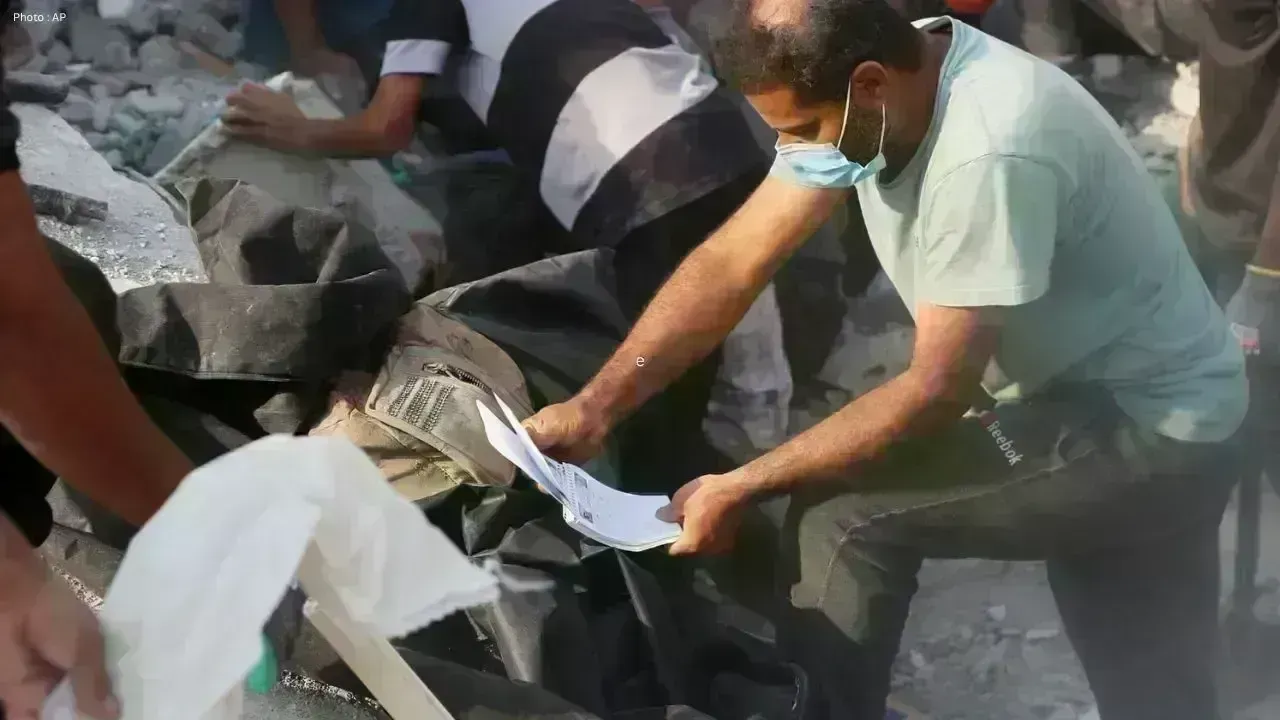
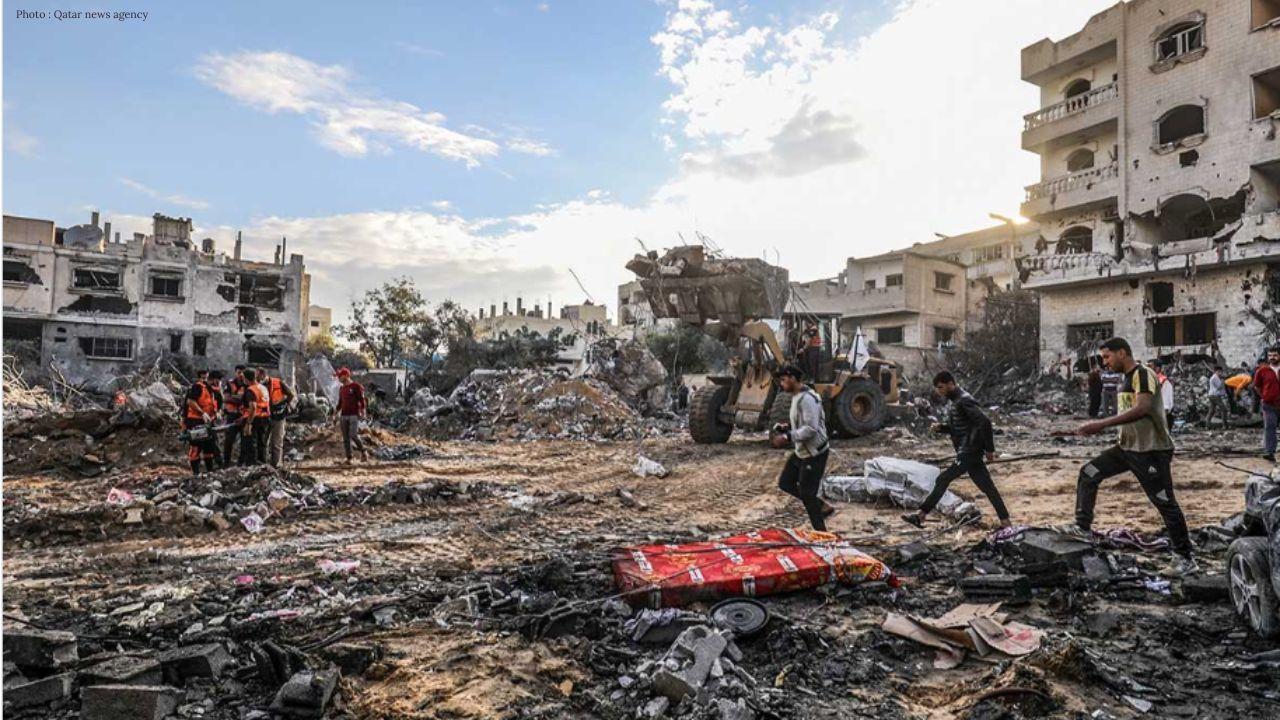
The incident unfolded on February 28, 2026, coinciding with a broader military intensification involving Iran, the United States, and Israel. Multiple sources confirmed that missiles hit the school premises between 10:23 a.m. and 10:45 a.m. local time, while children and staff were still within its walls. Rescue operations later revealed harrowing scenes of devastation, with classrooms in ruins and countless children trapped under debris.
Shajareh Tayyebeh School is situated in Hormozgan province, close to the southern coast of Iran. Reports suggested that its proximity to a former compound of the Islamic Revolutionary Guard Corps may have led to some operational misunderstandings. Nevertheless, investigations by both international media and satellite analysts affirmed that the building was actively serving as a civilian educational institution at the time it was struck.
While casualty figures have varied, Iranian officials and independent inquiries have indicated that over 150 lives were lost, including more than 100 young students, predominantly girls aged seven to twelve. Among the deceased were also parents, educators, and emergency personnel who were caught in the attack and the subsequent rescue efforts.
Witnesses recounted scenes of chaos and distress immediately following the blasts. Parents flocked to the school after hearing rumors of airstrikes, while locals and emergency responders desperately began the search for survivors amid the rubble before specialized equipment arrived. Gripping images and videos, later validated by international news agencies, depicted shattered classrooms littered with school items, bloodstained texts, and damaged structures.
Iranian authorities promptly attributed the strike to the United States and Israel, condemning it as a breach of international humanitarian protocols. Tehran accused both nations of deliberately targeting non-combatants in the vicinity of Minab. In response, U.S. officials acknowledged ongoing investigations concerning civilian harm but denied intentions to target a school. Israel also announced that it was examining reports related to the event.
The incident sparked widespread misinformation and political contention online. Various social media users propagated conflicting narratives regarding whether the school was hit by an external missile or if it resulted from an Iranian missile failure. Fact-checking entities later confirmed a lack of evidence supporting claims of Iranian accountability for the incident, while misleading videos and images from unrelated events circulated widely.
International organizations and rights groups were swift to decry the attack. UNESCO denounced the assault and labeled strikes on educational facilities as severe violations of international law. Advocates for education and humanitarian groups demanded a thorough investigation into the tragic loss of young lives. Numerous public figures, including child rights advocates, voiced grave concerns over the alarming rise in civilian casualties amid the ongoing strife.
In the days following the tragedy, Minab’s streets were lined with coffins as families held funeral ceremonies for their young ones. Reports indicated that local morgues were overwhelmed by the number of bodies, compelling authorities to deploy refrigerated vehicles for temporary storage. Many grieving families expressed their frustration and anguish over the unresolved accountability for the strike.
The Minab school strike has emerged as one of the deadliest casualties in the enduring Iran conflict. Analysts note that the incident has raised heightened global apprehensions about civilian safety during military actions and intensified demands for unimpeded probes into wartime conduct impacting schools and children.


 English