Post by : Shakul
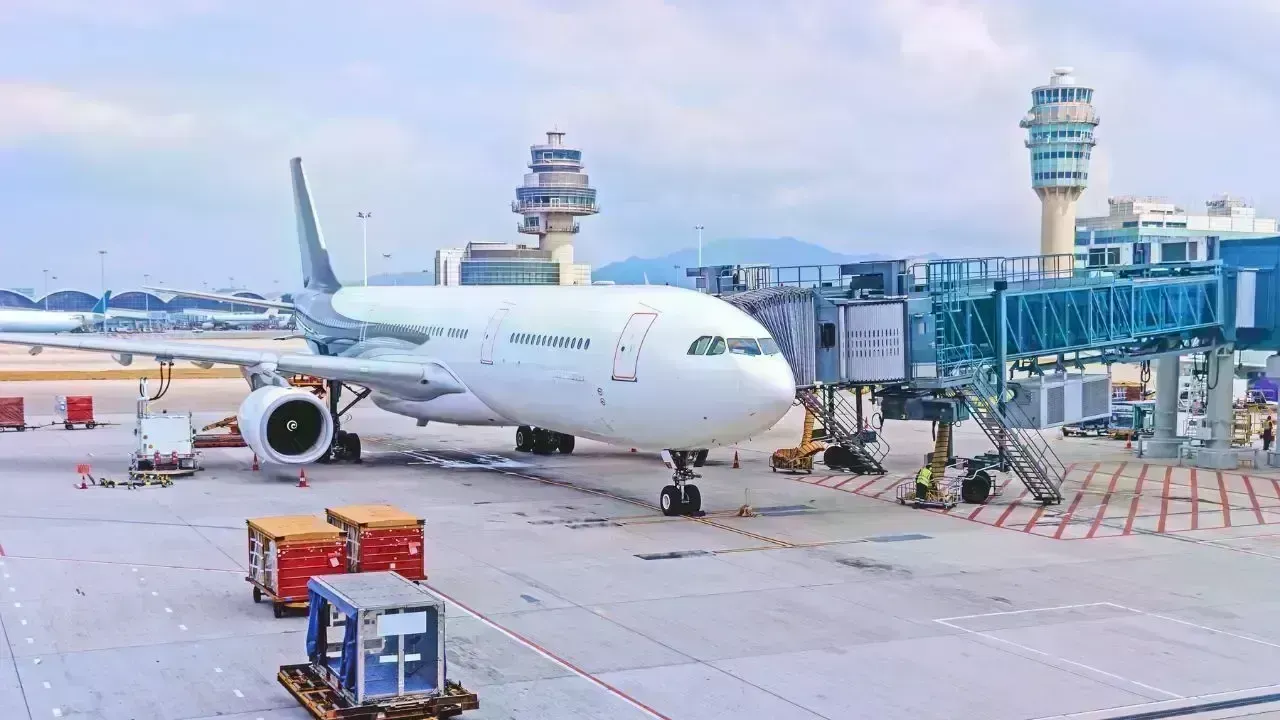
The two predominant aviation cities in India, Delhi and Mumbai, have made a pivotal move to lower the tax on aviation turbine fuel, providing crucial support to airlines grappling with escalating global fuel prices and heightened operational costs. This strategic reduction aims to bolster airline profitability and enhance the aviation sector at a time of economic challenges.
Delhi's Value Added Tax on aviation turbine fuel has been cut from 25 percent to 7 percent for a temporary span of six months. Meanwhile, Maharashtra has similarly reduced the ATF tax for domestic flights at Mumbai from 18 percent to 7 percent. Experts in the industry project that this significant tax reduction will alleviate fuel costs for airlines with expansive domestic and international networks.
These tax adjustments arrive as airlines confront rising pressures including soaring crude oil prices, depreciation of the rupee, disruption of supply chains, and increasing maintenance costs. Aviation companies have cautioned the government regarding the sustainability of these fuel expenses, particularly in light of geopolitical instability in the Middle East.
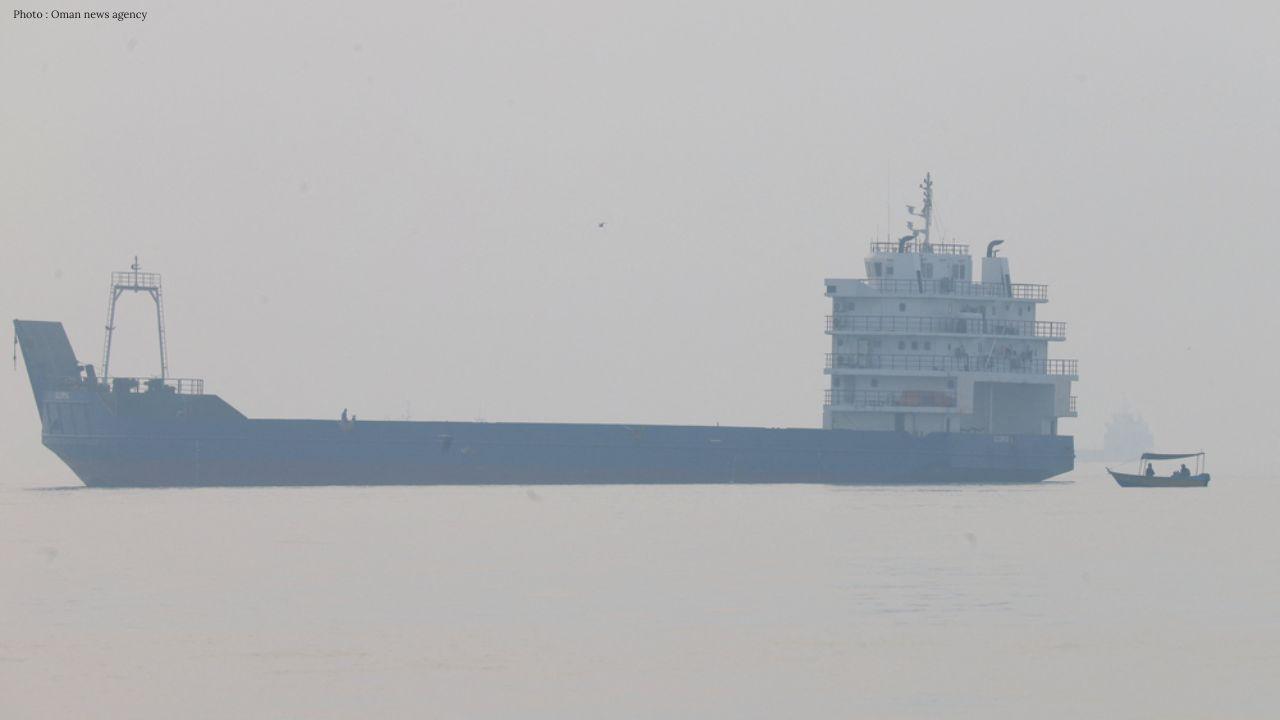
Recent industry analyses indicate that fuel expenses have escalated to approximately 55 to 60 percent of total operating expenditures, up from 30 to 40 percent prior to the recent global energy crisis. The rapid surge in fuel prices is attributed partly to upheavals near the Strait of Hormuz, which is crucial for global oil shipping.
As critical junctions in India’s aviation framework, Delhi and Mumbai handle significant volumes of both passenger traffic and aircraft movements. Airlines procure substantial amounts of fuel from these locations, which means even modest tax reductions can lead to substantial savings in overall operations.
Experts have noted that these tax cuts may influence airlines' refueling practices. Traditionally, some carriers have employed fuel tankering tactics by transporting extra fuel from lower-tax regions to circumvent costly refueling at major metropolitan airports. The new tax rates could diminish the necessity for such practices while enhancing fuel efficiency.
Passengers, however, may not witness immediate reductions in airfare. Analysts emphasize that ticket prices are predominantly influenced by demand dynamics and aircraft availability rather than direct cuts in fuel costs. Persistent shortages of aircraft alongside vigorous travel demand have kept fares high on numerous routes.
This recent decision has reignited discussions among airlines advocating for the inclusion of aviation turbine fuel under the Goods and Services Tax umbrella. Industry executives contend that such a move would streamline the tax framework, reduce logistical complexities, and ultimately lower costs throughout the aviation ecosystem over time.


 English