Post by : Saif
Al-Najjar
Once celebrated for its vibrant and open media landscape, Hong Kong's press environment has undergone a significant transformation. Journalists used to challenge political figures without hesitation, and various viewpoints were widely accessible. However, the current scenario presents a stark contrast. Over the past two decades, Hong Kong has plummeted from 18th to approximately 140th place in global press freedom rankings, indicating a profound shift in its media landscape.
The decline can largely be attributed to the closure of pro-democracy media outlets and the rising trepidation among journalists. Following the introduction of a national security law by Beijing in 2020, many reporters now feel restricted in their reporting. This law was enacted in response to significant protests in 2019, with authorities claiming it was necessary for restoring order. Critics argue that it has effectively curtailed essential freedoms, including that of the press.
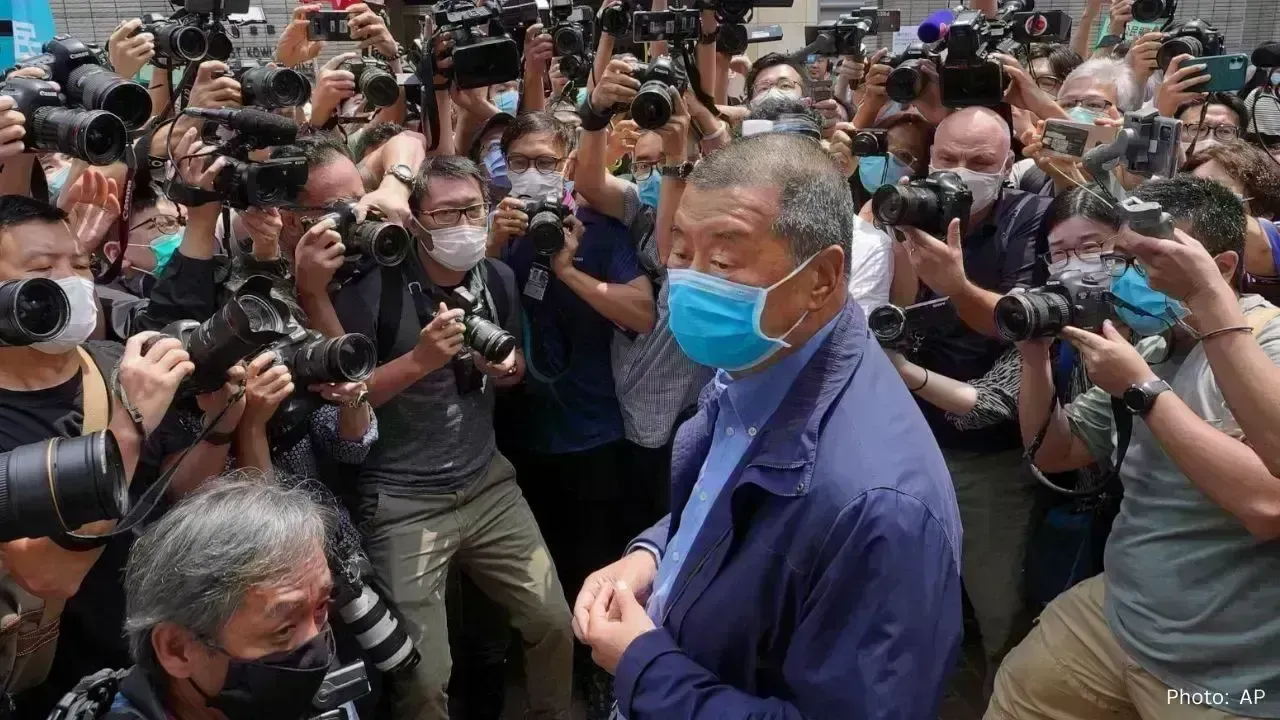
The shutdown of Apple Daily, a publication known for its critical stance toward the authorities, marked a pivotal moment in this decline. Its founder, Jimmy Lai, was arrested and faces a potential life sentence under the national security law, drawing international concern. To the government, Lai's case represents a matter of national security, not a journalistic issue.
In 2021, Apple Daily was compelled to cease operations after police interventions and asset freezes. Coincidentally, the online platform Stand News was also shuttered amidst arrests and financial restrictions, sending a chilling message across the media sector. By 2022, Hong Kong's ranking in press freedom had significantly deteriorated, mirroring escalating global unease.
In subsequent years, journalists have also become targets. In 2024, editors from Stand News were convicted for publishing articles deemed seditious—the first such legal actions against journalists since Hong Kong's sovereignty returned to China in 1997. These cases underscored the severe consequences of bold reporting, once a hallmark of the city.
Experts suggest that this environment has fostered a culture of self-censorship among journalists. Many are now reluctant to tackle contentious issues, opting for gentler language or avoiding certain stories entirely. This reticence is not merely driven by politics; it is often influenced by the economic dependency on advertisers and corporations that have strong connections to mainland China, endangering the survival of media outlets.
Another hurdle is the difficulty in obtaining commentary. Numerous activists, officials, and common citizens fear retribution for expressing their views. Consequently, reporters face challenges in gathering diverse perspectives, complicating the public's understanding of ongoing events.
A tragic apartment fire in late 2025 illustrated the dire implications of this atmosphere. Journalists were quick to cover the incident, engaging with victims and scrutinizing safety protocols and government oversight. However, as warnings surfaced, several individuals were arrested, public discourse dwindled, and planned news coverage was scrapped. Online discussions vanished, and those who had spoken out ceased to do so.
Journalist organizations convey that the pressures faced are often subtle and indirect. Many reporters endure audits, legal scrutiny, or harassment, fostering an atmosphere of fear without overt prohibition and motivating self-censorship.
Despite affirmations from the Hong Kong government about safeguarding rights and freedoms, many journalists contend that the cost of maintaining independence has risen steeply.
Nevertheless, some media professionals persist in their efforts to report findings with diligence and integrity. While the state of press freedom in Hong Kong remains far from its former glory, journalists continue to navigate within an increasingly constrained environment. The trajectory of the region's media landscape will ultimately hinge on the remaining space for fearless reporting insulated from repercussions.


 English