Post by : Shweta
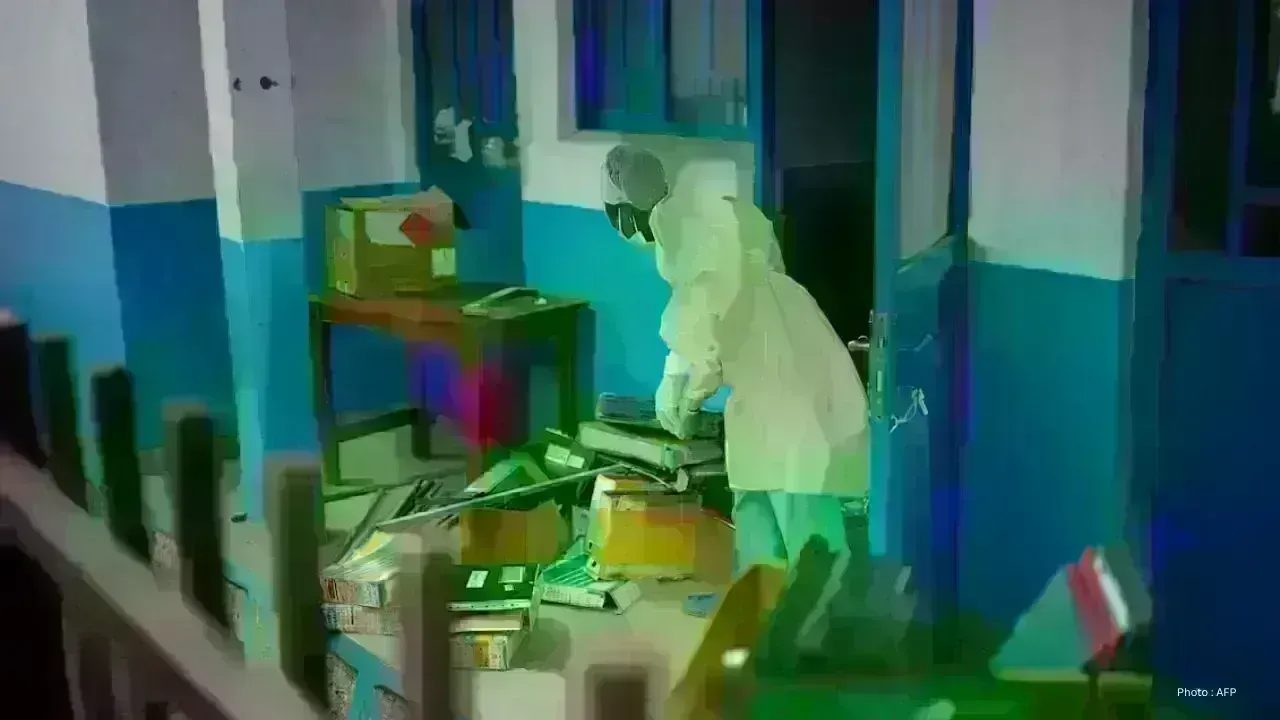
In a significant move, the World Health Organization (WHO) has declared the Ebola outbreak in the Democratic Republic of the Congo a global health emergency. This declaration comes as the virus has resulted in at least 88 deaths, raising serious concerns about its potential international spread.
Officials report the outbreak is intensifying in several impacted areas, with medical teams facing challenges in managing infections in both remote and densely populated communities. The WHO's decision is intended to bolster global cooperation, resources, and emergency responses to stem the spread of this lethal virus.
Health authorities indicate that numerous confirmed and suspected Ebola cases have surfaced in recent weeks. Emergency response teams are implementing contact tracing, testing, quarantine protocols, and vaccination initiatives to curb the virus's transmission.
The classification of this outbreak as a global emergency by the WHO stems from escalating regional spread risks and concerns over healthcare capacity in the affected regions. Officials highlighted that inadequate medical infrastructure, population movements, and security issues could complicate containment efforts.
Ebola is a severe and often lethal viral infection that transmits through direct contact with infected bodily fluids or contaminated surfaces. Symptoms may include fever, weakness, vomiting, diarrhea, and internal bleeding. Previous Ebola outbreaks in Africa have led to thousands of fatalities and strained public health systems.
Experts emphasize the importance of quickly identifying cases and fostering community cooperation in managing the outbreak effectively. To aid local teams in Congo, international aid organizations and health entities are dispatching additional medical supplies, personal protective equipment, and healthcare personnel.
Authorities are taking precautions by closely monitoring neighboring nations to deter cross-border transmission. Increased screening measures at airports and border facilities are in place as governments work to restrict the virus's reach.
Fear has gripped local communities, especially in regions with limited healthcare access. Health workers face significant hurdles, including misinformation, distrust, and poor working conditions as they strive to treat patients and educate the public.
Global health experts warn that Ebola outbreaks pose a considerable international risk due to the virus’s rapid spread if not managed swiftly. However, they also note that advancements in vaccines, enhanced medical response capacities, and international collaboration have bolstered efforts to combat outbreaks over previous years.
The WHO calls on nations worldwide to maintain vigilance and support emergency health interventions, while ensuring that panic does not escalate as experts work to contain the outbreak in Congo and prevent further casualties.


 English