Post by : Saif
Al-Najjar
Heightened concerns about regional stability have emerged following reports of stray Ukrainian drones making their way close to NATO member states in Eastern Europe. These occurrences have triggered discussions regarding air defense readiness and the escalating risks associated with the ongoing Ukraine-Russia conflict.
Reports indicate that several drones engaged in military operations veered off course or inadvertently crossed into territories adjacent to NATO countries. While significant damage has not been reported, the events have raised alarms among neighboring nations, concerned about the potential for unintended escalation near sensitive boundary zones.
Since the intensification of the Russia-Ukraine war, officials in Eastern Europe have been vigilant about both airspace and aerial activity. Countries bordering the conflict are particularly watchful, aware that stray missiles and drones present security threats even away from the primary battlefield.
NATO member states in proximity to the region have ramped up their surveillance and air defense capabilities over recent years. Military officials are diligently monitoring aerial movements to avert unforeseen events that could jeopardize civilian safety or national integrity.
These latest drone incidents underscore the impact of modern warfare on surrounding countries. Unlike traditional conflicts confined to defined battle areas, today's military operations, facilitated by drones and long-range technologies, can quickly extend beyond borders, raising broader regional worries.
Experts emphasize that inadvertent drone incursions into neighboring territories might escalate diplomatic tensions amid the conflict. Even if unintentional, such occurrences can heighten anxieties among local populations and governments bordering the war zone.
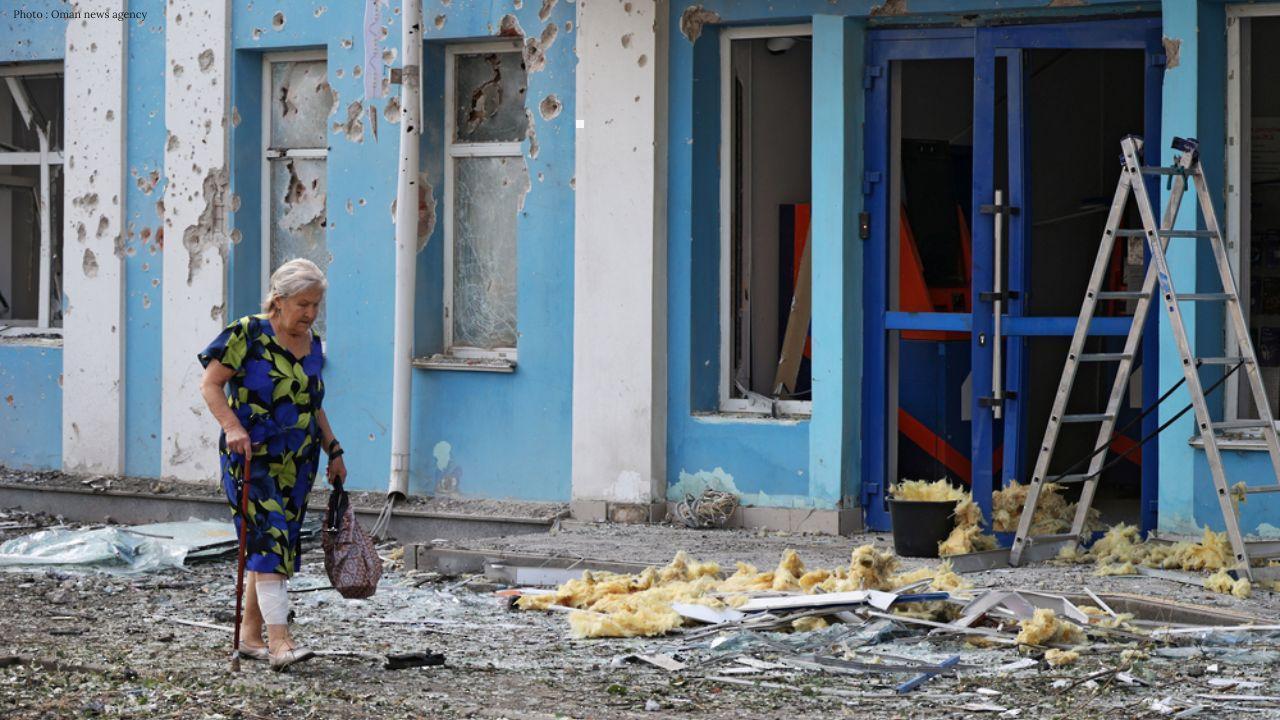
Eastern European nations are particularly wary, given that the conflict has already led to political, economic, and humanitarian challenges in the region. The influx of refugees, heightened military expenditures, and energy-related apprehensions have all influenced neighboring countries since the onset of war.
Analysts contend that the advent of drone technology has transformed military operations. Unmanned aerial vehicles are now commonplace for reconnaissance, strikes, and intelligence gathering, yet technical glitches or navigational mistakes can result in unplanned cross-border movements.
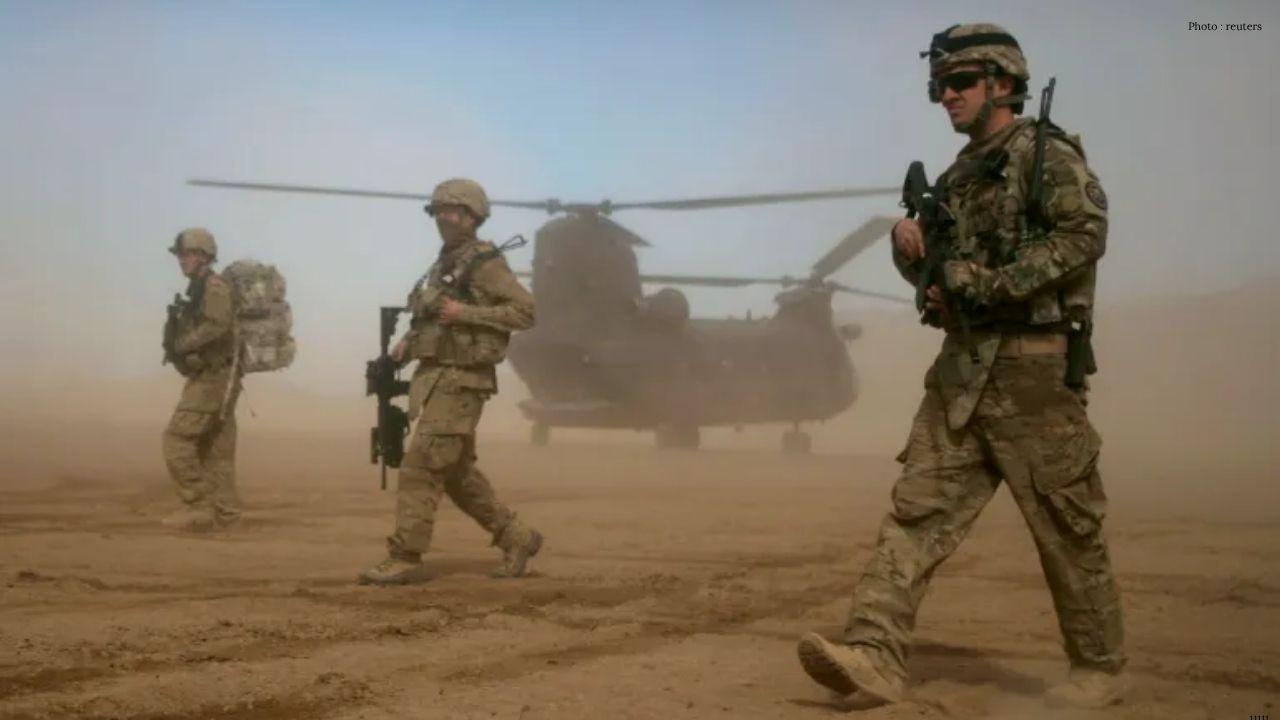
For NATO, ensuring stability along its eastern perimeter is paramount. Member nations are augmenting coordination and defense readiness to prevent security breaches near delicate areas, with joint military drills and surveillance operations becoming increasingly regular since the conflict escalated.
Residents living in border regions remain attentive to developments, as unforeseen military events often instigate fears and uncertainties. Communities close to conflict zones are anxious about prospective accidents involving drones or missiles.
Political analysts believe that such occurrences could further strain diplomatic ties between Russia, Ukraine, and Western nations. Any military asset entering NATO-associated territories commands serious scrutiny due to alliance security obligations.
Governments throughout Europe are also reassessing the reaction capabilities of their air defense systems concerning low-flying drones and rapid aerial objects. The rising dependency on unmanned systems in warfare is compelling many nations to enhance their radar technologies and emergency response frameworks.
The protracted conflict in Ukraine has already altered the security landscape in Europe, leading to increased military budgets across several countries while fostering ongoing discussions about long-term defense strategies and enhanced regional collaboration.
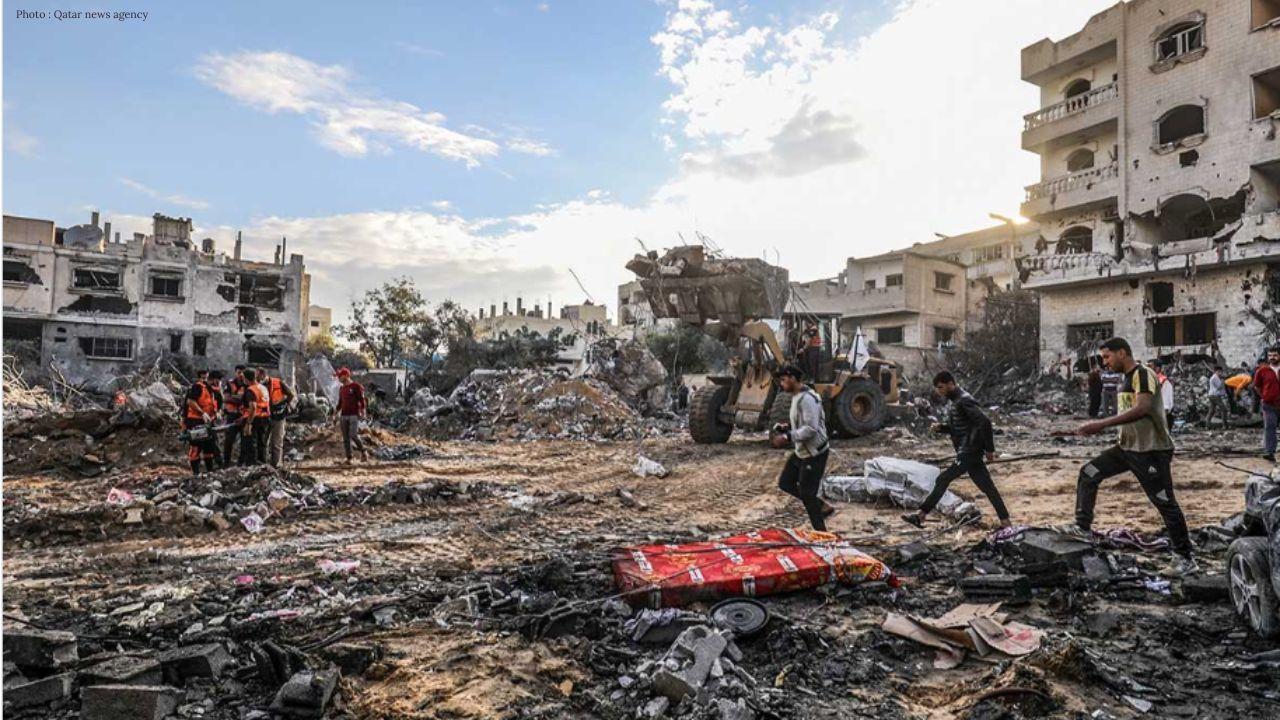
Humanitarian advocates caution that extended warfare doesn't solely impact combatants and governments; it also exerts emotional strain on civilians residing adjacent to conflict zones. The threat of unforeseen incidents can disrupt daily life, economic stability, and public trust in regional safety.
Efforts aimed at preventing military escalation continue to be crucial as the conflict endures. International leaders have repeatedly highlighted the necessity of maintaining communication pathways to prevent misunderstandings or accidental incidents from escalating into more significant regional challenges.
The recent instances of drone activity near NATO territory serve as a stark reminder of how modern conflicts can instigate uncertainty beyond the immediate theater of combat. Even unwarranted military movements can raise alarm among neighboring states and amplify pressure on regional security frameworks.
Focus will now shift to how NATO members can bolster their monitoring systems and coordinate border security in the face of these developments. This situation also exemplifies the broader challenges facing Europe as the ongoing Russia-Ukraine conflict disrupts regional peace and stability.


 English