Post by : Saif
Al-Najjar
The threat posed by climate change to plant species globally is escalating. As temperatures rise and weather patterns shift, natural habitats critical to forests, grasslands, wetlands, and mountain ecosystems are being compromised.
Experts in environmental science are sounding alarms that if the current pace of global warming persists, many plant species will struggle to endure. Research indicates that alterations in climate are compelling plants to adapt rapidly, while numerous species are losing essential environments vital for their growth and sustenance.
Plants are crucial for life on Earth, providing not just oxygen but also food, medicine, and shelter, all of which support diverse wildlife ecosystems. Ecosystems such as forests, grasslands, and wetlands play a significant role in temperature regulation, carbon dioxide absorption, and the safeguarding of soil and water resources.
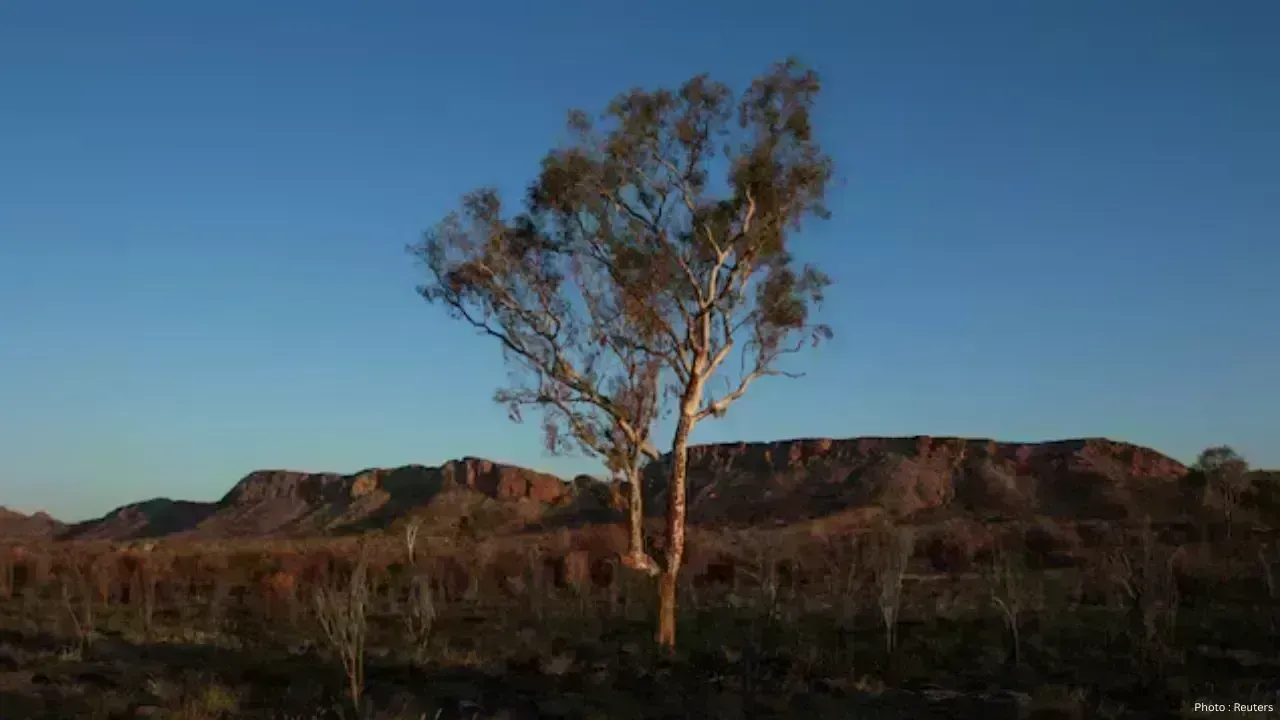
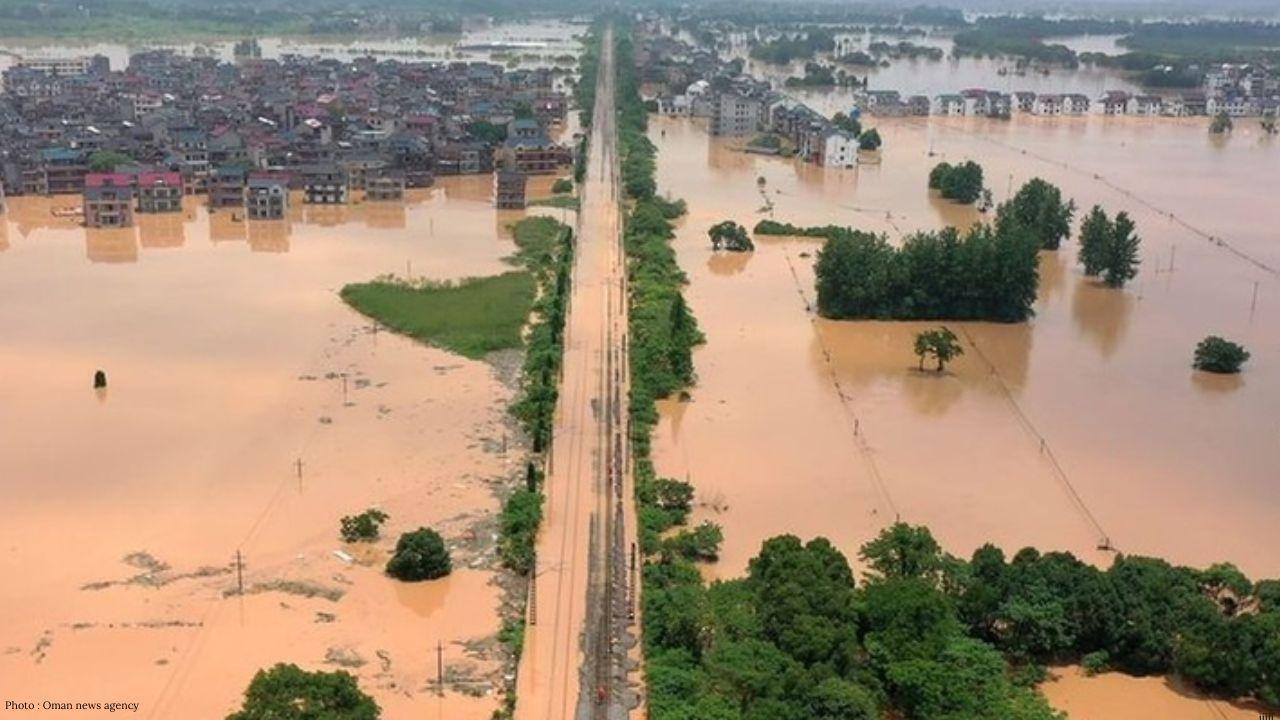
Environmental researchers assert that habitat destruction is one of the gravest threats to plant life worldwide. Increasing temperatures, alongside droughts, floods, wildfires, and altered rainfall patterns, are damaging ecosystems that have taken millennia to evolve.
While some plant species are able to adapt to changing conditions gradually, others are at risk of extinction due to the rapid changes in climate. Rare species situated in unique geographic locations, such as mountains or islands, face heightened vulnerability as their options for adaptation are limited.
Scientists point out that climate change impacts plants in multiple dimensions. Increased temperatures could disrupt growing seasons, reduce water supply, heighten disease susceptibility, and disturb pollination systems involving essential insects and birds.
Visible environmental changes are already happening in numerous regions. Forest fires have occurred with greater frequency across various nations, while conditions of drought persist, harming both vegetation and agricultural fields. Coastal ecosystems, integral to numerous plant species, are also under threat from rising sea levels.
The disappearance of certain plant species carries severe implications for animal populations and human communities that rely on them for food and shelter. A destabilized ecosystem poses survival risks for fauna and flora alike.
Agriculture, heavily dependent on stable environmental conditions, may also face challenges due to loss of plant species linked to climate change. Extreme temperatures, water scarcity, and soil degradation threaten food production, subsequently increasing economic strain on rural areas.
Experts caution that the ongoing loss of biodiversity may emerge as one of the paramount environmental challenges in the decades ahead. Biodiversity encompasses the variety of plant and animal life essential to healthy ecosystems and overall natural balance.
As plant diversity decreases, the resilience of ecosystems can diminish, thereby struggling to withstand environmental stressors. Natural habitats such as healthy forests are crucial as they help absorb carbon dioxide and mitigate climate impacts, but compromised ecosystems lose these protective capabilities.
Climate change is fundamentally linked to greenhouse gas emissions from various sources, including industry, transportation, fossil fuels, and deforestation. Environmental organizations persistently advocate for governments to curtail emissions and place greater emphasis on renewable energy and conservation initiatives.
In response, several countries are amplifying their efforts to protect forests, rehabilitate damaged landscapes, and expand environmental regulations. Reforestation and wildlife protection projects are considered vital steps toward mitigating climate damage.
Moreover, scientists emphasize the necessity for global collaboration, as climate change indiscriminately impacts nations regardless of borders. Environmental issues tied to rising temperatures frequently affect international food systems, water sources, health, and economic stability.
This situation underscores the urgency of preserving natural habitats to prevent any irreversible loss of species. Extinction leaves no possibility for recovery of certain plants, many of which may harbor medicinal properties or environmental significance that humanity has yet to fully comprehend.
Worldwide, youth engagement in climate advocacy is on the rise. Educational institutions and community groups actively promote public involvement in conservation initiatives.
Citizens can contribute through manageable actions such as minimizing waste, tree planting, conserving water, utilizing cleaner energy sources, and endorsing sustainable policies.
The latest findings on dwindling habitats provide further warnings regarding the enduring impact of climate change. Environmental protection is now viewed as essential not just for preserving wildlife and forests, but also for ensuring human survival and safeguarding future generations.
With the urgency to address climate-related challenges escalating, governments, industries, and communities must confront these issues head-on, as inaction could lead to irreversible damage. Environmental experts argue that prompt action today might avert more extensive ecological and economic crises in the future.
The pressing predicament of global plant species resonates with a larger reality for the planet, as climate change is no longer a concern relegated to future generations. Its ramifications are already evident across diverse ecosystems, economies, and daily life worldwide.


 English