Post by : Saif
Al-Najjar
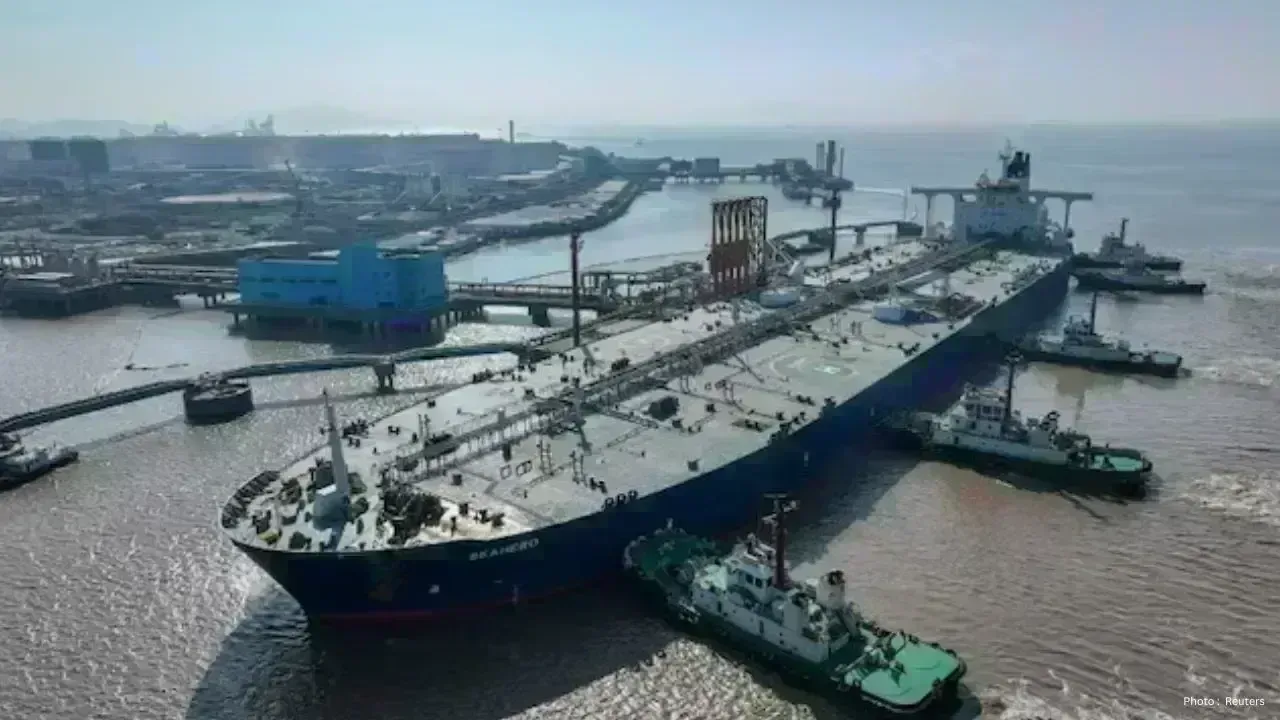
China’s oil refinery output has plummeted to its least active level in almost two years, sparking new worries over diminishing industrial demand and economic challenges within the country. Recent statistics reveal a significant decline in refinery operations in April, driven by reduced fuel consumption and an uptick in oil stockpiles nationwide.
As the leading global importer of crude oil, fluctuations in China’s energy needs can greatly impact international oil markets and fuel pricing globally. The recent drop has caught the attention of investors, economists, and energy specialists who meticulously analyze China’s economic landscape.
Official reports indicate that Chinese refineries processed markedly less crude oil in April relative to prior months, marking the lowest output since August 2022. Analysts attribute the slowdown to decreasing fuel demand from vital sectors such as manufacturing, transportation, and construction.
Moreover, oil inventories in China continue to escalate, signifying that more crude oil and fuel products are being accumulated as demand lags behind expectations. Increasing stockpiles generally imply that industries and consumers are utilizing less fuel.
Various elements may be impacting this diminished demand. The nation’s real estate sector is under financial strain, manufacturing expansion has decelerated, and consumer spending shows inconsistencies in certain regions. These economic hurdles have curbed energy use in critical industries.
The downturn also underscores broader anxieties regarding the global economy, with many nations grappling with inflation, elevated borrowing costs, and trade insecurities that potentially stifle industrial performance and transport activities. Given China's pivotal role in global manufacturing, its slower growth reverberates throughout international markets.
Worldwide oil prices remain sensitive to shifts in Chinese demand. A decline in Chinese crude imports could exert downward pressure on global energy prices. However, ongoing tensions in the Middle East and concerns over supply disruptions are keeping oil markets in a state of flux.
Energy analysts suggest that Chinese refineries may be throttling back production due to dwindling profit margins. With weak fuel demand, refiners often reduce operational capacity to prevent oversupply and financial setbacks.
This situation underscores the intricate relationship between energy markets and economic development. Robust industrial activity typically catalyzes fuel demand, while periods of economic deceleration are inclined to suppress energy consumption.
For the general populace, fluctuations in oil markets could ultimately impact fuel pricing, transportation expenses, and inflation. Nations heavily reliant on oil imports are vigilant observers of both global supply and Chinese demand dynamics.
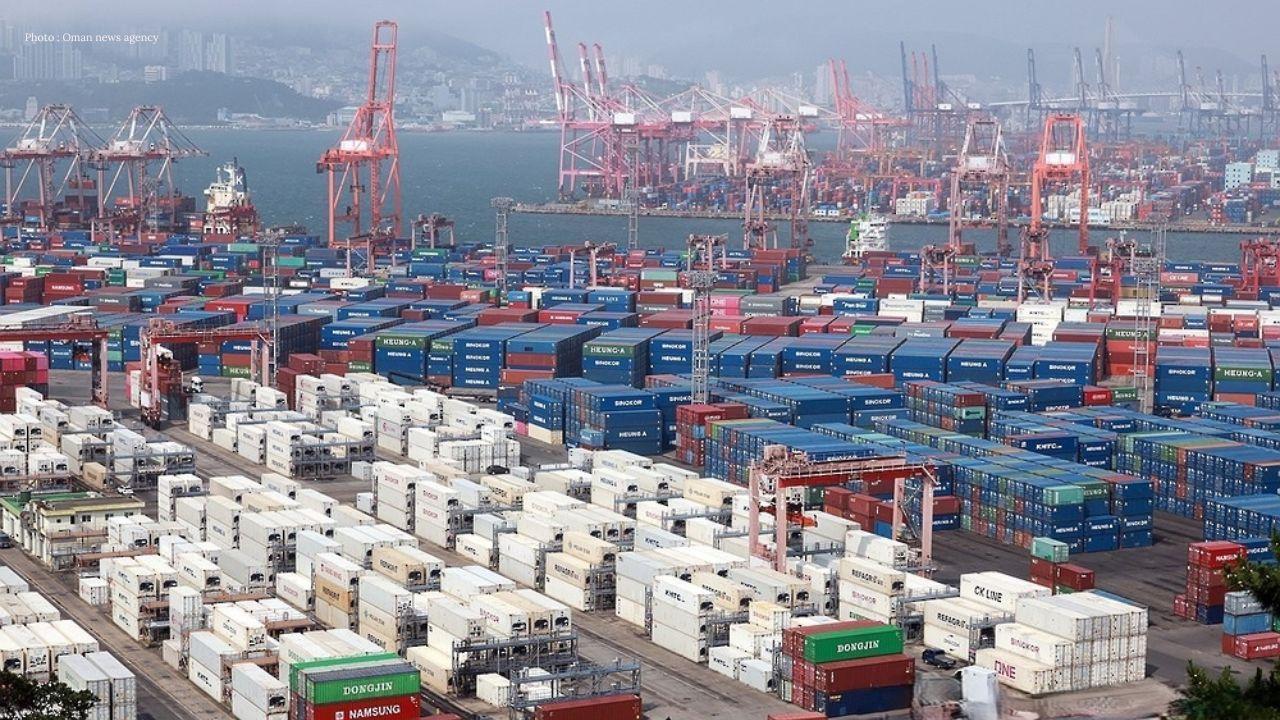
The reduction in refinery output could further affect international trade and shipping sectors. China remains one of the foremost manufacturing and export hubs globally, and decreased industrial productivity can disrupt supply chains across multiple countries.
The Chinese government is anticipated to persist in rolling out economic support initiatives to stimulate growth and bolster market confidence. Several measures targeting businesses, infrastructure, and consumer spending have already been announced in recent months.
Despite its present challenges, China’s economy continues to be one of the largest and most influential globally. Significant changes in its industrial activity have the potential to swiftly impact foreign markets, investors, and global energy requirements.
This latest refinery report serves as a stark reminder of the interconnectedness of the world economy. Economic downturns in a major nation can reverberate through oil pricing, trade activities, and financial markets well beyond its frontiers.


 English