Post by : Shakul
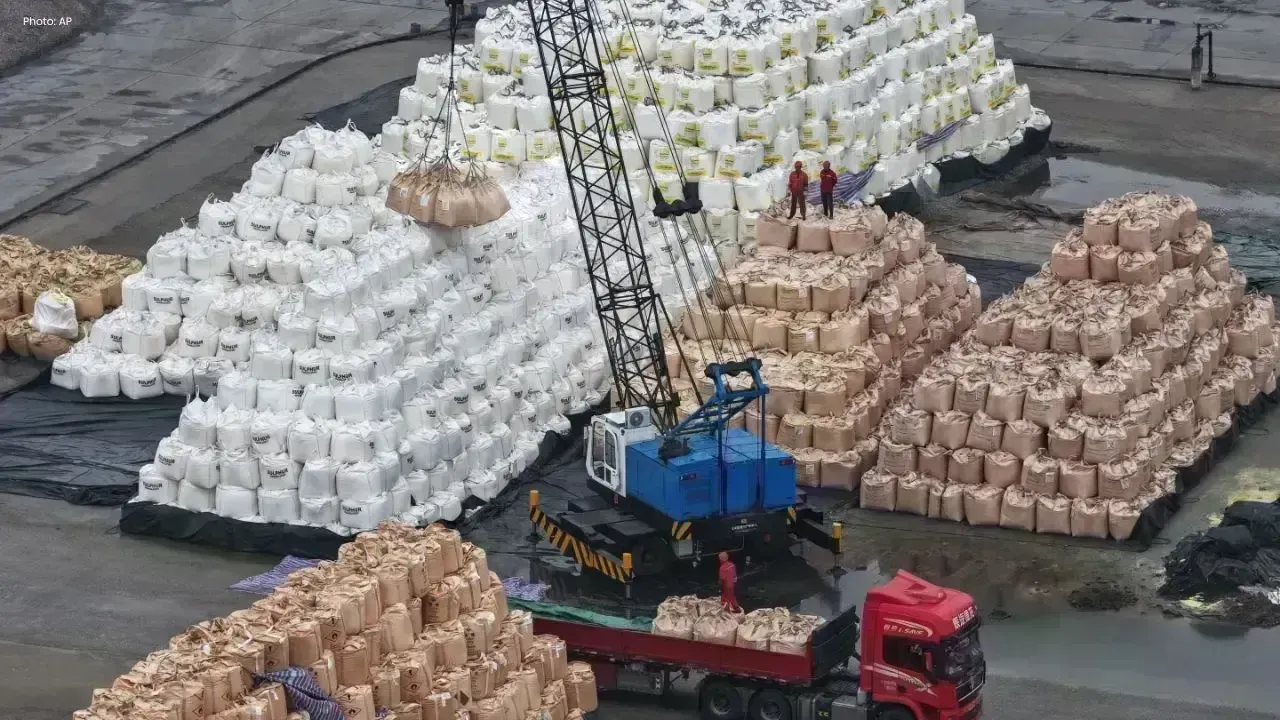
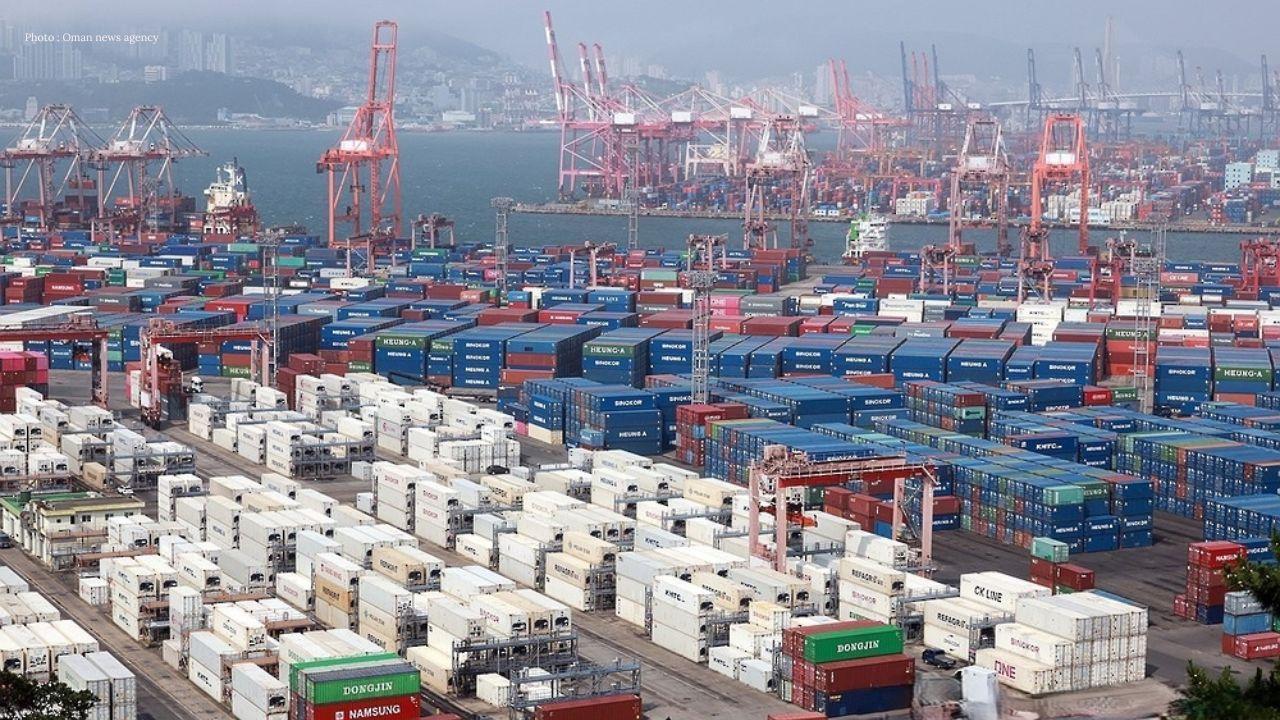
Hong Kong, April 14, 2026 — The export growth of China sharply declined in March, recording a rise of just 2.5% year-on-year, as uncertainties tied to the Iran conflict began to influence demand and supply chains. Recent customs data highlighted this significant dip compared to the remarkable 21.8% growth observed in January and February.
This slowdown fell short of analysts' forecasts, emphasizing increasing worries about a weakening global trade climate. Conversely, imports surged by 27.8% in March, reflecting heightened domestic consumption and purchasing activity.
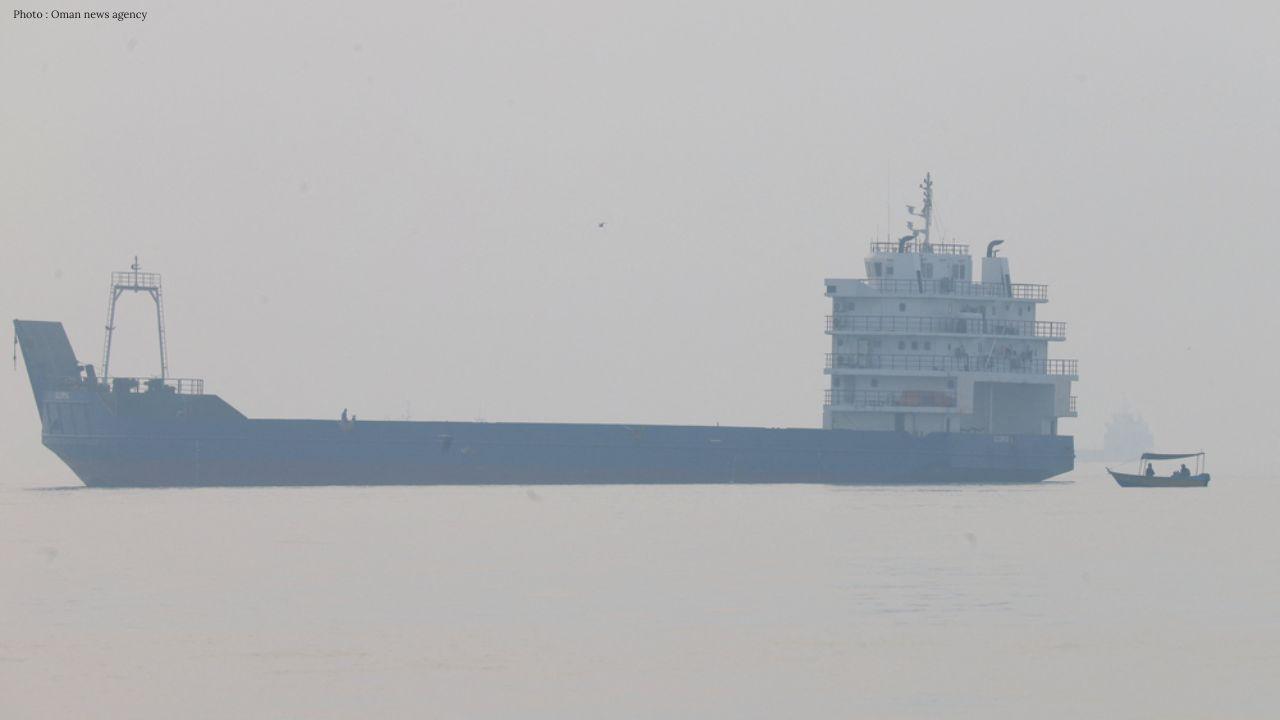
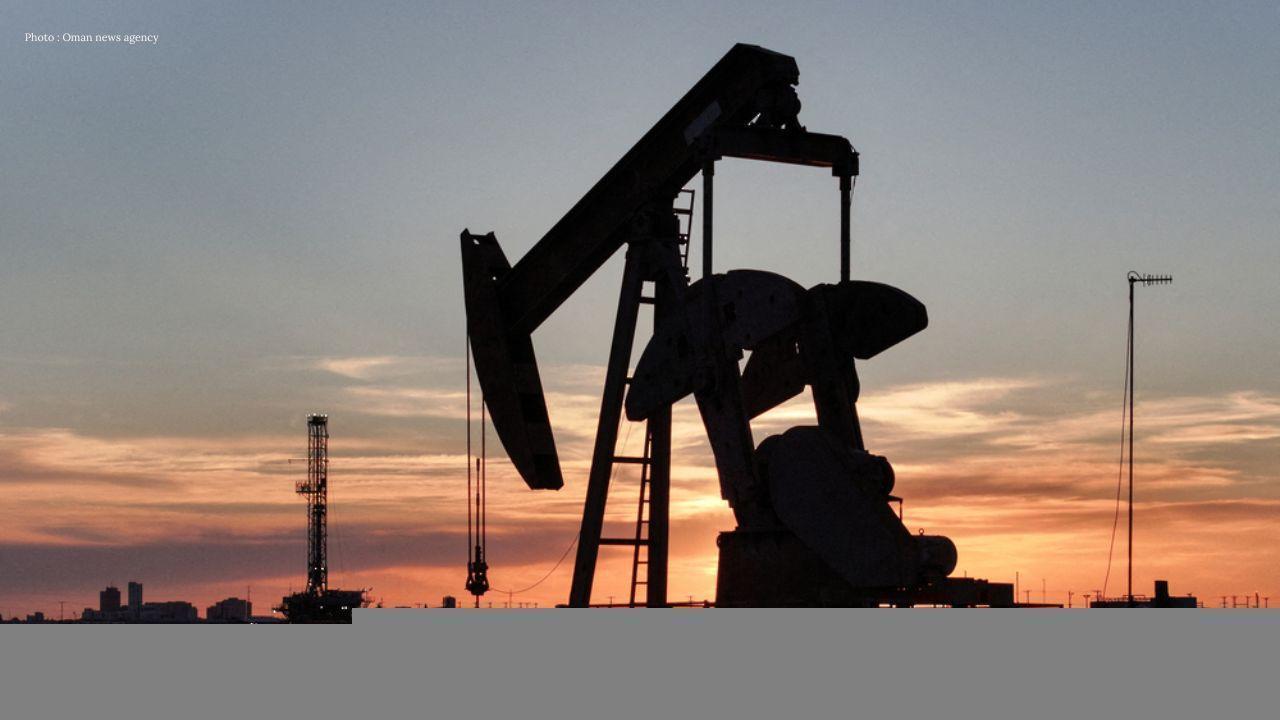
Experts point to rising energy prices and supply disruptions caused by the ongoing war as major stresses on international markets. Economist Gary Ng from Natixis notes that the existing conflict is beginning to impact both global demand and supply chains, contributing to the export deceleration.
Despite this setback, China's tech sector is providing much-needed support to export figures. There is strong global demand for semiconductors, fueled by the artificial intelligence trend, along with increased interest in renewable energy products like solar panels, electric vehicles, and wind turbines.
Bank of America economists have indicated that a prolongation of the conflict could lead to a wider decline in global demand. They also mentioned that energy supply disruptions might enhance interest in China's green technologies in the near future.
Compounding the issue, trade tensions with the United States have intensified pressure on exports. Notably, shipments to the U.S. plummeted by 26.5% in March, while exports to Europe and Southeast Asia rose by 8.6% and 6.9%, suggesting a strategic shift in China's trade relations.
China has targeted an economic growth range of 4.5% to 5% for 2026, marking the lowest forecast in decades. While exports remain crucial for growth, ongoing challenges including a slowdown in the property sector and global uncertainties continue to pose significant risks. Analysts believe that China's varied energy resources and substantial oil reserves have so far mitigated the war's adverse effects.


 English