Post by : Shweta
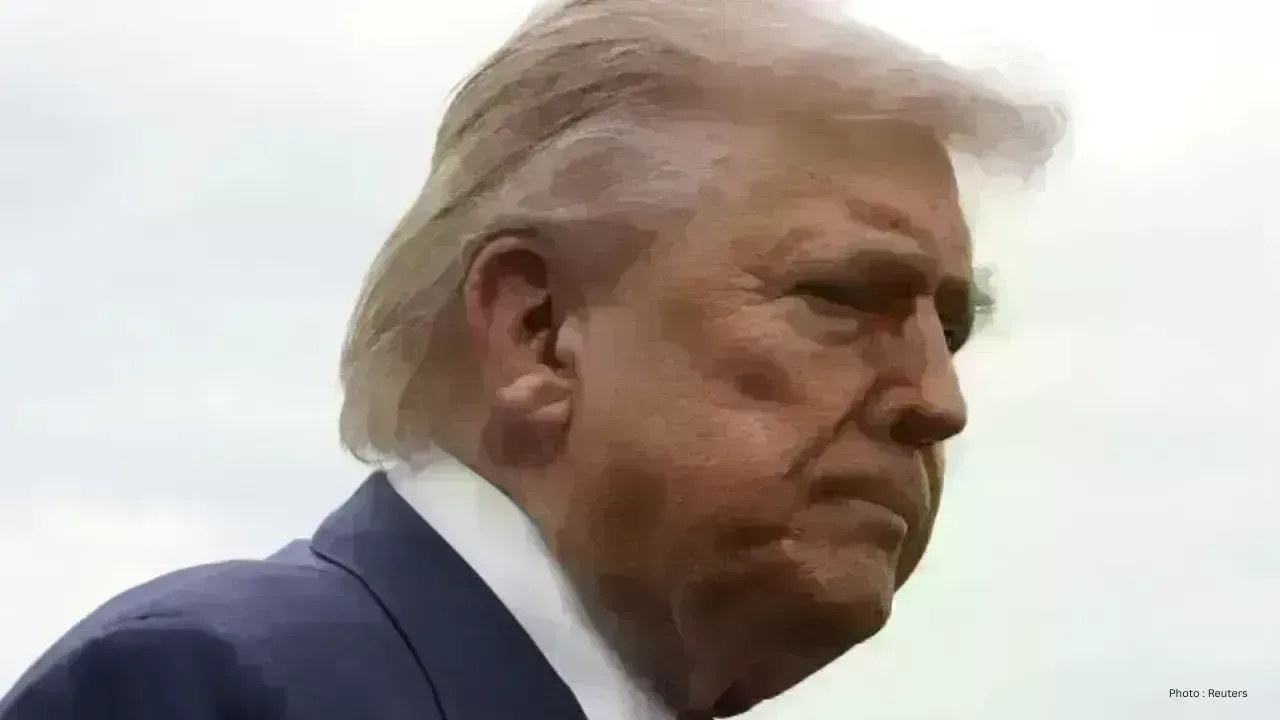
As the summit between U.S. President Donald Trump and Chinese President Xi Jinping approaches, experts believe that China might possess significant advantages. Key topics for discussion will include trade conflicts, technology restrictions, tariffs, Taiwan, and the ongoing rivalry between the two nations. Despite both leaders facing pressure to protect national interests, analysts suggest that China currently holds a better negotiating position in crucial areas.
One contributing factor is China's growing economic resilience even after enduring years of trade tension with the U.S. They have mitigated their reliance on American markets by fostering trade relationships in Asia, the Middle East, Africa, and Latin America. Projects under the Belt and Road Initiative have also fortified China's global influence despite Western sanctions and tariffs.
Conversely, the United States is grappling with inflation, domestic political rifts, and corporate pressure resulting from trade uncertainty. Many American companies remain tied to Chinese manufacturing and supply chains, particularly in electronics, pharmaceuticals, and consumer goods, which restricts Washington's ability to escalate economic pressure without consequences for U.S. businesses and consumers.
China also exhibits growing confidence through its enhanced technological and industrial capabilities. Despite U.S. restrictions on semiconductor exports and Chinese tech companies, China is accelerating efforts to cultivate domestic tech sectors. Investments have surged in artificial intelligence, electric vehicles, renewable energy, telecommunications, and advanced manufacturing. Experts believe China is now more capable of handling potential future U.S. economic sanctions than during earlier trade battles.
China's diplomatic leverage is another significant factor. It has increased its global standing by presenting itself as a reliable economic partner, particularly as global uncertainties shadow U.S. politics. Strengthened ties with nations in the Global South, alongside cooperative efforts within BRICS and various trade partnerships, boost China's negotiating power with the U.S.
The timing of this summit is politically sensitive for President Trump, who faces pressure to adopt a tough stance on China while avoiding economic instability given the approaching electoral climate in the U.S. Analysts believe China will exploit these pressures strategically during talks.
The topic of Taiwan is likely to be particularly contentious, with China heightening military and political tensions around the island, while the U.S. continues to support Taipei through military partnerships. Disputes regarding Taiwan could escalate tensions between these two superpowers rapidly.
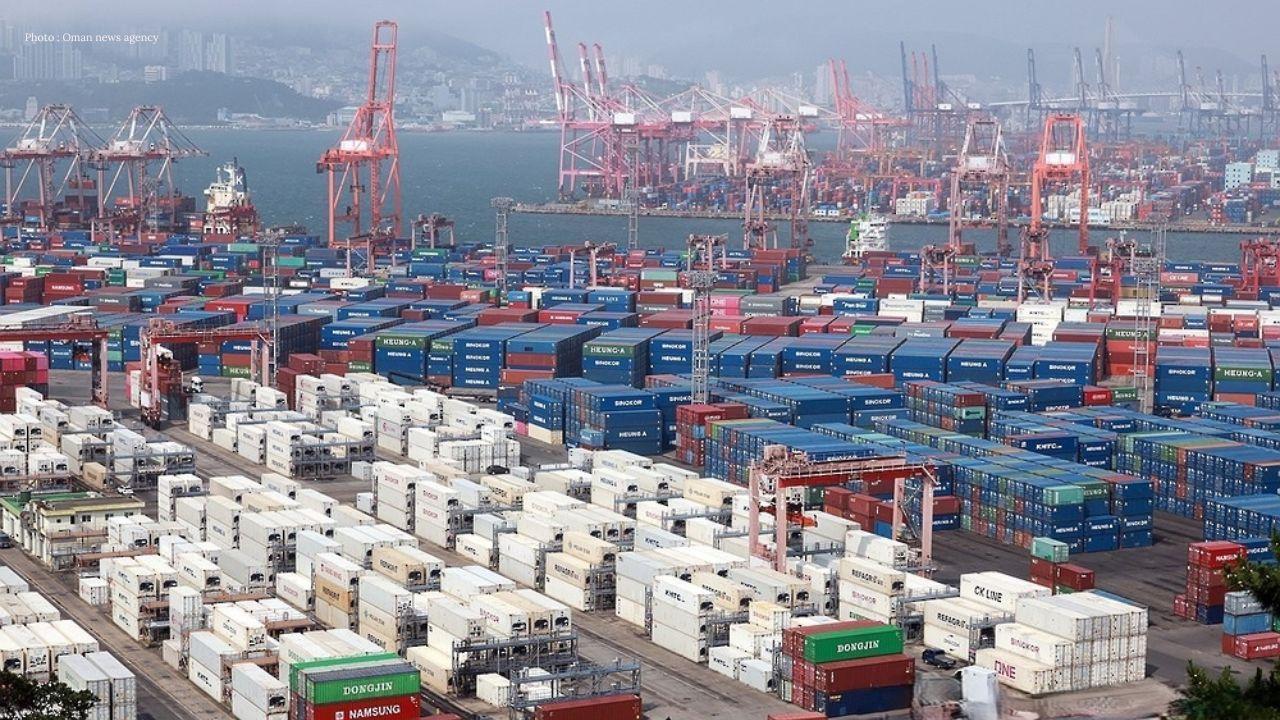
Discussions surrounding trade policies will also play a significant role at the summit. Trump has frequently criticized China for trade imbalances, intellectual property theft, and the use of subsidies. Still, China may feel that it has the upper hand, given the growing dependence of global markets on its manufacturing capacities, rare earth minerals, and industrial exports.
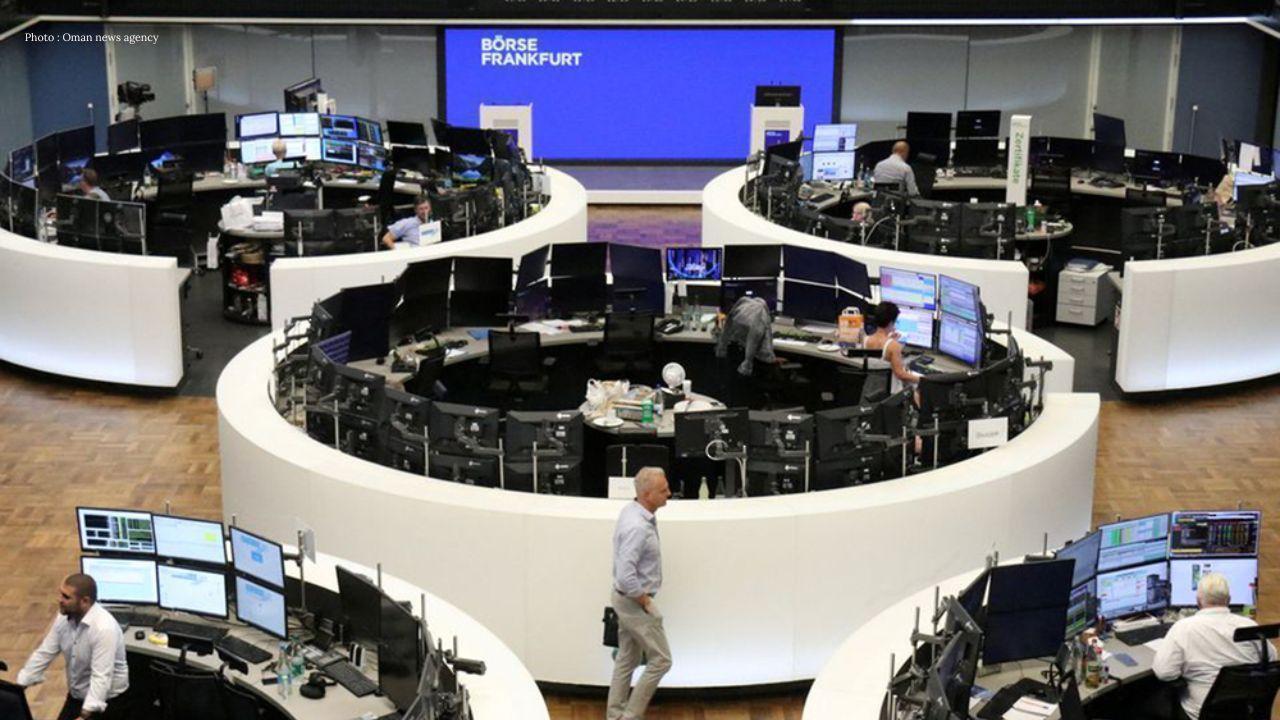
Energy and global supply chains are expected to factor prominently into discussions. As one of the largest consumers of oil, natural gas, and industrial resources worldwide, China's influence over international commodity markets is substantial, and ongoing geopolitical tensions underline the importance of stable trade relationships.
Despite rising tensions, both countries have compelling reasons to avoid significant conflict. Economic analysts warn that a severe breakdown in U.S.-China relations could destabilize global markets, inflate prices, disrupt supply chains, and hinder international economic growth. Consequently, many expect both Trump and Xi to aim for the summit to appear constructive, despite unresolved disagreements.
The meeting's outcomes have the potential to shape U.S.-China relations, influencing trade, technology, security, and global diplomacy for the foreseeable future. While the U.S. retains considerable military and economic might, China's expanding influence and preparatory strategies may grant it an advantageous position heading into negotiations.


 English