Post by : Saif
Al-Najjar
Chile is grappling with a devastating crisis as rampant wildfires spread through central and southern regions. At least 18 fatalities have been reported, alongside immense destruction of homes and mass evacuations. What began as isolated incidents has escalated into a national emergency, leaving families engulfed in pain and fear.
The wildfires ignited during a relentless heatwave, where temperatures soared over 38 degrees Celsius (100 degrees Fahrenheit). Coupled with fierce winds, the flames rapidly engulfed vast areas, overwhelming firefighters and leaving residents with scant time for escape. Once serene landscapes have turned to ash, with towns now lying in ruins.
President Gabriel Boric has declared a disaster in the Biobío and Ñuble regions, located about 500 kilometers south of the capital, Santiago. This declaration enables the military to assist in managing the crisis and bolstering firefighting efforts. As reported by Chile's national forestry agency, over two dozen wildfires remain active, ravaging approximately 8,500 hectares.
In Concepción, one of the most affected cities, President Boric extended his condolences to those impacted. He cautioned that casualty figures could rise as rescue teams access areas currently inaccessible. Initial reports indicate that at least 300 homes have been destroyed; however, estimates suggest actual numbers may exceed 1,000 in the Biobío region alone.
Over 50,000 individuals have fled their homes, many escaping under the cover of night with children and pets in tow. The rapid advance of the fires put countless lives at risk, making timely evacuations a perilous undertaking.
“Our first priority is to extinguish the flames,” stated President Boric. “Yet, we must always bear in mind the human cost. Families are suffering unimaginable losses during these trying times.”
Rising anger and frustration complement the grief felt by the affected communities. Local leaders have expressed dissatisfaction with the delayed emergency response, as witnessed by the mayor of Penco, who criticized the lack of government presence during the crisis.
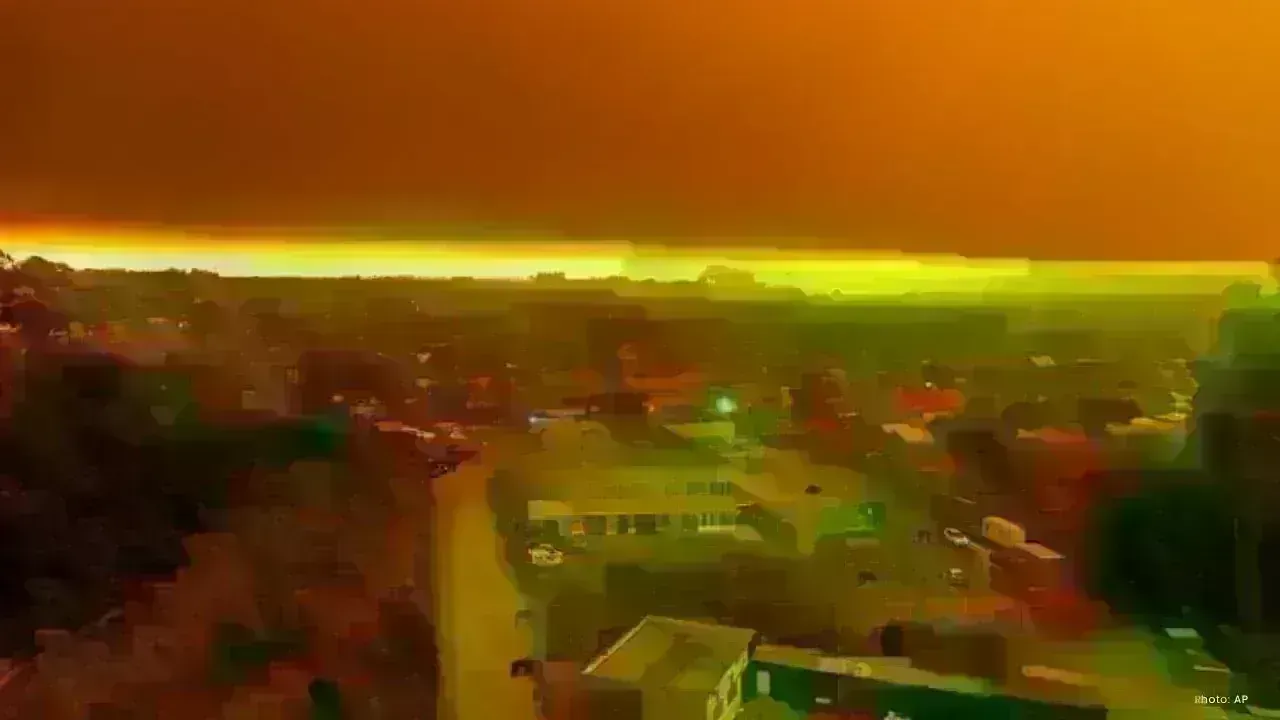
Firefighters have tirelessly confronted the inferno, which has devoured homes, vehicles, schools, and churches alike. The skies have darkened with smoke, transforming daylight into a foreboding orange shroud. Emergency shelters have been established, providing refuge to thousands seeking safety.
Witness accounts paint harrowing scenes. Many residents, believing the blaze would halt at the forest's edge, hesitated to evacuate—a decision that has proven catastrophic.
“The situation spiraled out of control,” lamented a local resident. “No one anticipated such a disaster.”
Tragically, fatalities have been found scattered across homes, fields, and even vehicles. In these small communities, personal connections amplify the sorrow, as nearly everyone mourns a lost friend or family member.
Interior Minister Álvaro Elizalde reminded citizens that the predicament remains dire, with extreme temperatures and arid winds expected to persist, complicating firefighting efforts. Authorities have implemented nighttime curfews in certain sectors to ensure safety and facilitate emergency operations.
Wildfires traditionally occur in Chile during summer, particularly in central and southern areas. However, experts caution that climate change and prolonged droughts are contributing to an uptick in frequency and severity. The catastrophic wildfires of 2024 resulted in the loss of at least 130 lives, marking one of the deadliest natural catastrophes since the 2010 earthquake.
This ongoing calamity serves as a stern reminder that such disasters are growing in frequency and intensity.
Similarly, neighboring Argentina is grappling with its own wildfire challenges, with vast areas in Patagonia consuming thousands of acres amid the same intense conditions. Across South America, extreme climatic events are testing the resilience of nations, emergency services, and local communities.
In the long term, these devastating fires compel pressing inquiries. Are governments adequately preparing for the imminent threat of extreme weather? Are early warning systems sufficiently robust? Are measures in place to manage forests and settlements to mitigate fire hazards?
For those mourning lost loved ones, these questions arrive too late. Currently, the focus is on survival and rebuilding. Community reconstruction and healing from emotional scars take precedence.
Chile finds itself at a critical juncture. The unwavering courage of firefighters, volunteers, and community members has been commendable. Nonetheless, sheer bravery cannot singlehandedly prevent future tragedies. Comprehensive planning, fortified disaster response strategies, and decisive climate action are essential to avert similar scenarios moving forward.
As the fires continue to rage, the nation grieves the fallen while hoping for the safety of those in peril. The aspiration is that from this tragedy, Chile will garner the resilience and determination to safeguard its citizens in the years to come.


 English