Post by : Bianca
Haleem
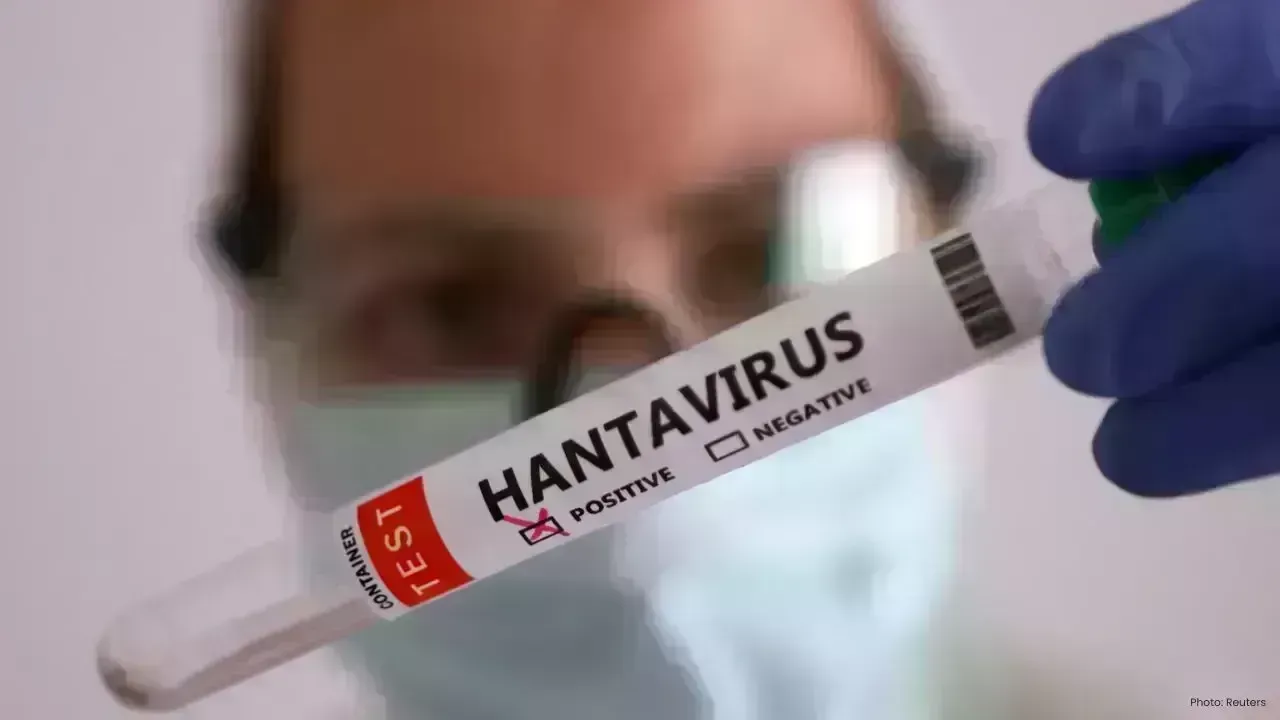
An urgent outbreak of hantavirus linked to a cruise ship has reignited global focus on Chilean scientists striving to develop a treatment for this perilous virus.
Years ago, researchers in Chile made headway in crafting antibodies effective against the Andes strain of hantavirus, the sole type known to spread human-to-human. However, funding shortages, coupled with the Covid-19 pandemic, stalled progress.
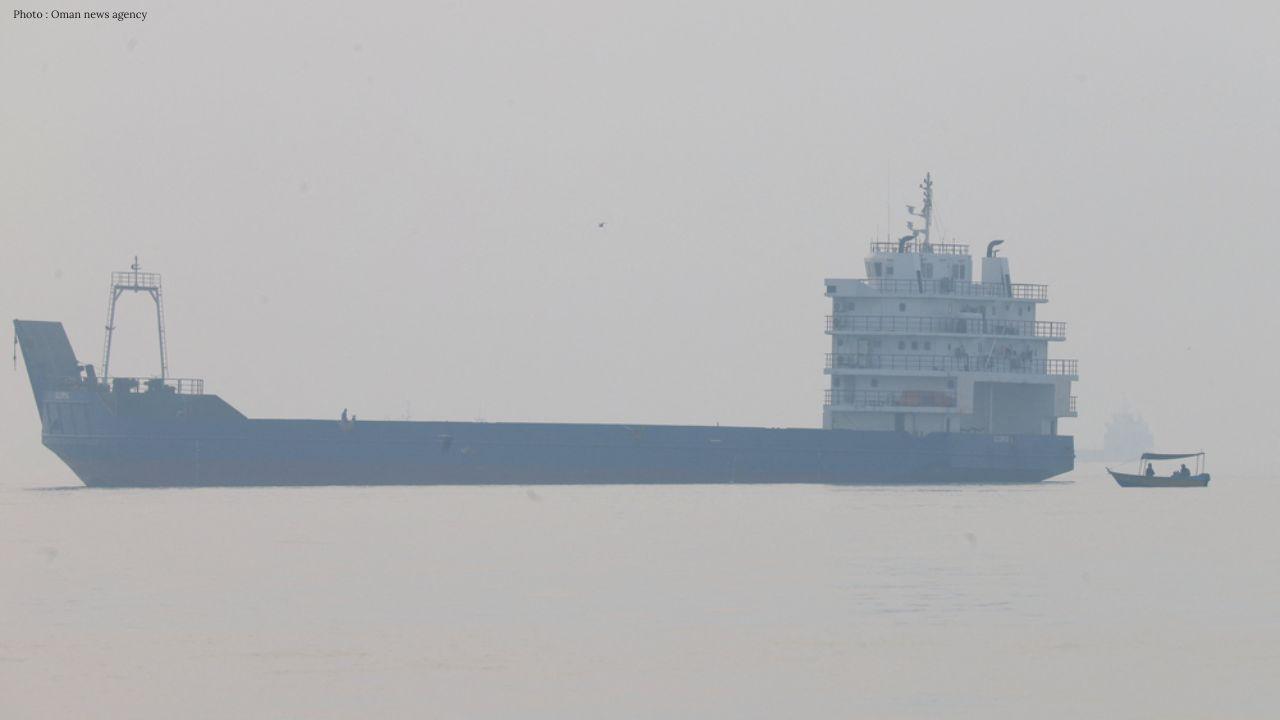
The recent incident aboard the MV Hondius cruise ship, which traveled from Argentina to Europe, resulted in multiple infections and fatalities, invoking warnings from the World Health Organization (WHO) as questions about international transmission arose.
Led by scientist Marcela Barria and her team at the Universidad de Concepcion, the research had shown that specially developed antibodies could neutralize the virus in laboratory settings. Subsequent animal tests demonstrated that one antibody could eliminate the infection entirely from the lungs.
Collaborating with international organizations like the US National Institutes of Health and Germany’s Robert Koch Institute, the team published notable findings in 2018 revealing that two monoclonal antibodies effectively combat the virus. By 2021, one treatment earned orphan drug designation from the US Food and Drug Administration (FDA) to accelerate its medical development.
Despite advancements, they could not proceed to human trials due to a required funding of nearly $7 million. These resources were ultimately reallocated amid the pandemic, hindering the research momentum.
Barria highlighted that the team had achieved vital milestones but lacked the essential infrastructure and investment needed to move forward with clinical testing on humans.
Chile's Health Ministry reports 39 hantavirus cases and 13 deaths in 2026 so far, while Argentina has recorded 42 cases as of early May.
Health professionals caution that hantavirus continues to pose a significant threat in South America, particularly in southern Chile and Argentina, where flu-like symptoms may escalate to severe respiratory failure in critical scenarios.
Currently, no definitive treatment exists for hantavirus; however, early detection and care significantly enhance survival odds, with fatality rates soaring up to 40% in some reports.
Barria and her team are persistently studying immune responses and the persistence of antibodies while seeking new funding avenues to resume human trials. She anticipates it may take up to two years to reinstate the project to its previous operational phase.
This latest outbreak is rekindling global interest in developing effective treatments and vaccines to prevent another major hantavirus crisis.


 English