Post by : Shweta
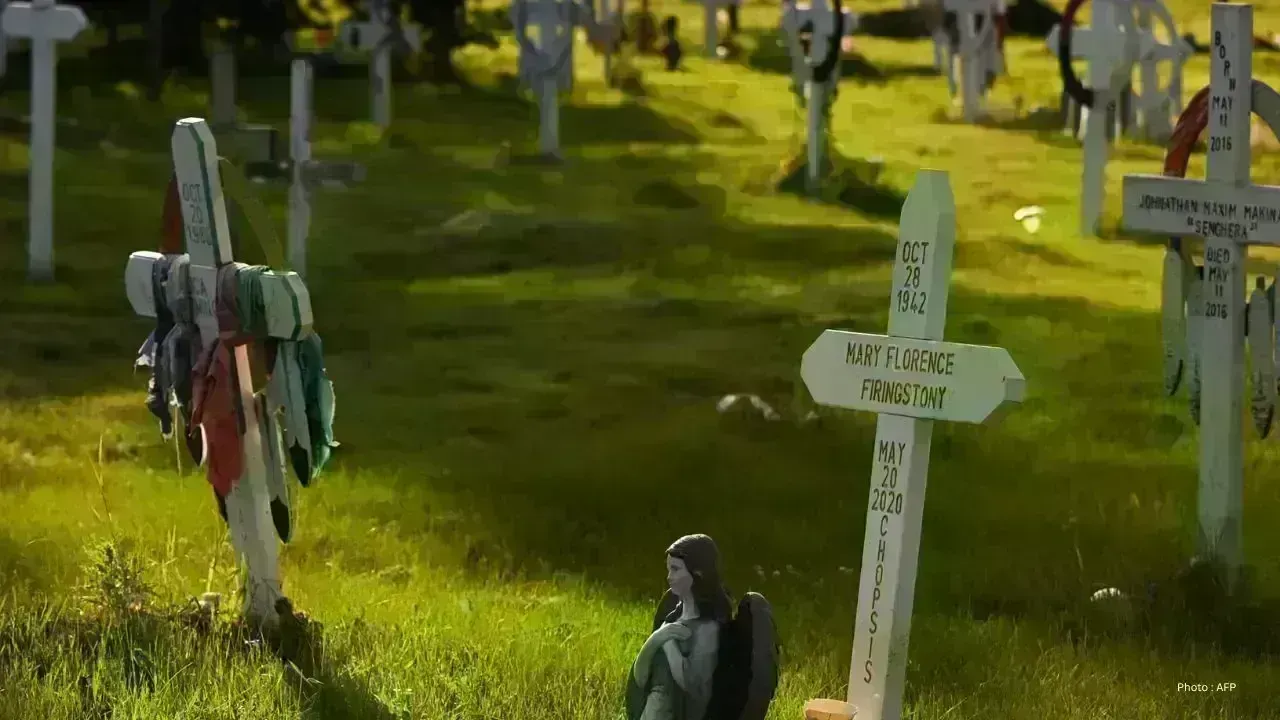
With the 2027 deadline looming, survivors of Canada’s residential school system are sounding alarm bells over the potential destruction of thousands of abuse testimonies. Many Indigenous communities and their allies emphasize that losing these accounts would undermine the country’s attempts to confront its colonial legacy.
The testimonies were gathered from nearly 38,000 former students who recounted their experiences of various forms of mistreatment—physical, emotional, and sexual—in government-supported and church-run residential schools, which functioned from the late 19th century until the 1990s. More than 150,000 Indigenous children were forcibly removed from their families and communities during this period.
Survivors have relayed instances of severe punishment, neglect, and attempts to eradicate their cultural identity, such as being punished for speaking their native tongues. The Truth and Reconciliation Commission of Canada later described this as “cultural genocide.”
In a 2017 decision, the Supreme Court mandated that these testimonies be discarded after a decade to safeguard the privacy of those who shared their experiences. Confidentiality was assured to survivors when they provided their statements as part of a compensation framework.
Survivors have until September 19, 2027, to request that their individual accounts be preserved, a process available only to those who provided testimony. Should a survivor be deceased, their records will face automatic destruction.
Advocates say that a significant number of survivors are unaware of this crucial deadline. Indigenous leaders contend that the federal government has not sufficiently informed the communities about how to safeguard their testimonies. They caution that the destruction of these records could obliterate critical evidence of abuse and hinder future generations' understanding of the truth.
Experts note that these documents might hold crucial information regarding crimes perpetrated within the residential school framework. Some believe that discarding such records could breach international standards for maintaining evidence of human rights violations.
Despite these serious concerns, the government asserts it must adhere to the court’s ruling. Officials indicated they are developing resources to raise awareness of the approaching deadline but are unable to alter the decision without pursuing further legal routes.
This situation has also ignited efforts to preserve history through other means. Journalists, researchers, and Indigenous organizations are collaborating to create independent archives aimed at collecting and safeguarding the narratives of survivors ahead of their potential loss.
For many families, these testimonies transcend mere legal documentation; they represent valuable personal histories. They serve as a crucial link for children and grandchildren trying to comprehend the experiences that shaped their ancestors' lives.
As the deadline draws closer, advocates and survivors are intensifying their calls for urgent action to safeguard these essential records. They emphasize that protecting these accounts is vital for justice and pivotal for healing and reconciliation within Canada.


 English