Post by : Shweta
In a significant move, the Canadian Food Inspection Agency (CFIA) has instituted a temporary restriction on specific livestock imports from Texas, aimed at safeguarding Canada’s animal health from the threat of New World screwworm. This precautionary measure is designed to halt the entry of the dangerous parasite that poses risks to the Canadian livestock industry.
The CFIA emphasized that the ban is a proactive approach while ongoing assessments of the situation are being conducted. This restriction is targeted at certain livestock from Texas, ensuring the protection of Canadian producers and farmers from the economic ramifications associated with the screwworm.
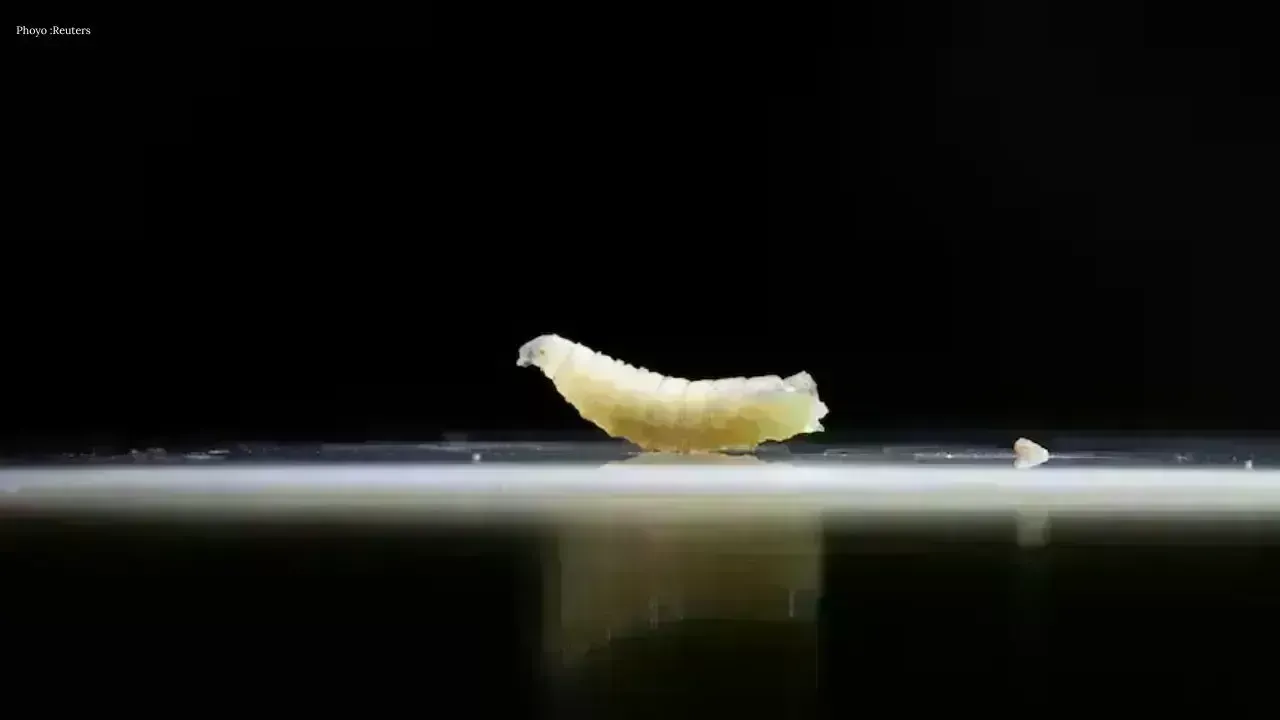
New World screwworm is notorious for its larvae, which voraciously consume the living tissues of warm-blooded animals. It can infect livestock such as cattle, sheep, goats, and horses through open wounds, leading to severe damage and potential fatality if untreated.
Animal health experts assert that this parasite represents a substantial threat to livestock industries, as outbreaks can disseminate rapidly, incurring significant financial losses. The eradication of this pest has long been a priority for North American agricultural authorities.
Reflecting Canada’s commitment to stringent biosecurity measures, the CFIA is collaborating with veterinary professionals and U.S. counterparts to monitor the situation and evaluate when normal trade might resume.
With Canada’s livestock industry generating billions in economic value and creating numerous jobs, any outbreak of New World screwworm could severely impact producers and disrupt international trade. Consequently, preemptive measures are commonly enacted when risks arise.
The ban will particularly affect producers engaged in cross-border livestock trading, but officials highlight that it is crucial to minimize the probability of introducing a parasitic threat that could have vast implications for Canadian agriculture.
Biosecurity protocols are paramount for safeguarding farm animal health and ensuring the stability of food production. Federal entities regularly analyze disease and pest threats and modify import regulations accordingly to mitigate risks.
Agricultural organizations and livestock producers are closely monitoring these developments, as the movement of animals between Canada and the U.S. is vital to the industry. Temporary restrictions are frequently implemented in response to emerging animal diseases or parasites that could impact domestic livestock.
Currently, the CFIA has not specified the duration of the ban, as the decision will be influenced by ongoing assessments and the latest data from animal health entities. Further updates will be provided as the situation progresses.
This recent action underscores the critical role of preemptive measures and international collaboration in maintaining animal health. By intervening before the parasite can invade Canadian herds, authorities aim to avert potential disruptions that could impact consumers, producers, and export markets.
As monitoring continues, the CFIA is likely to evaluate the effectiveness of these restrictions and determine if further actions are required. Close cooperation with industry stakeholders and international bodies will continue to be prioritized to keep Canada's livestock sector safeguarded against emerging threats.
Stay tuned with us for further key updates and developments.


 English