Post by : Shweta
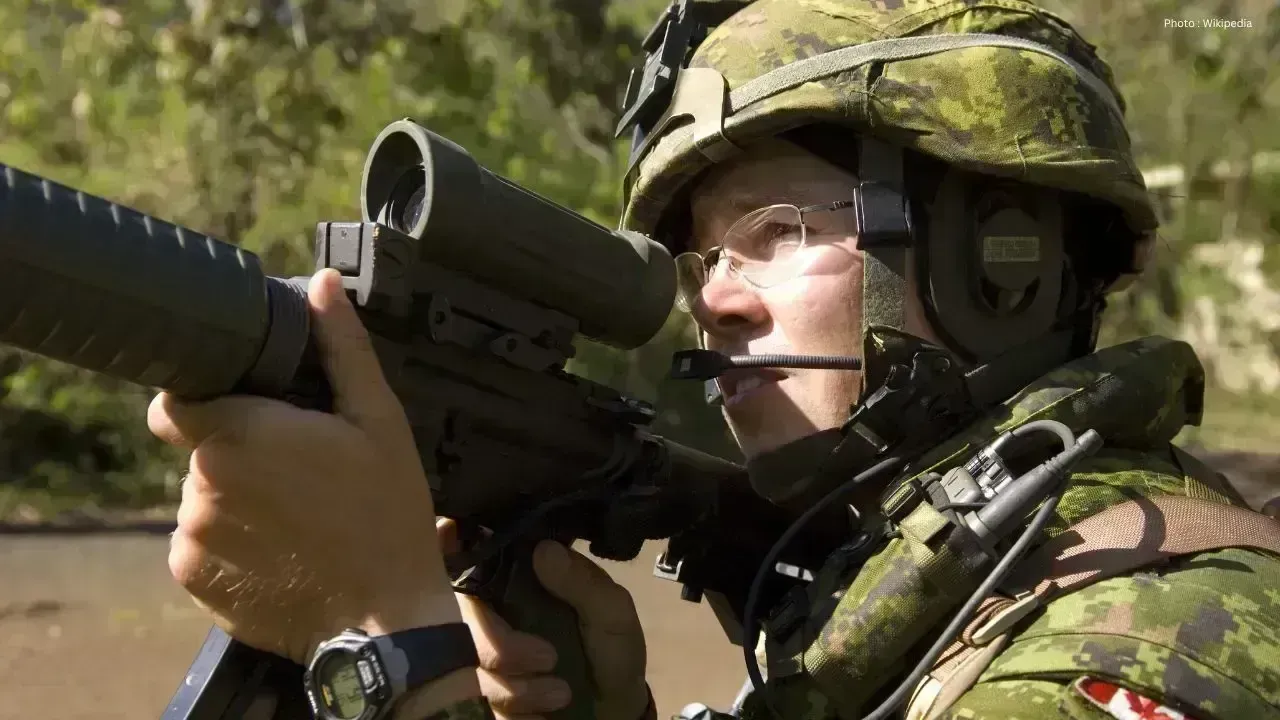
In a recent announcement, the Canadian government revealed plans aimed at strengthening military capabilities through investment in skilled trades training, recruitment efforts, and modernization initiatives, as featured in the latest spring economic update.
The federal government is allocating $250 million over a five-year span to expand skilled trades training that aligns with the Canadian Armed Forces. This strategic move addresses pressing challenges such as personnel shortages and the rising demand for cutting-edge defence resources and infrastructure.
Finance Minister Francois-Philippe Champagne emphasized the government’s commitment to enhancing Canada’s defence while also benefiting both workers and the defence manufacturing sector. The economic update outlines plans to integrate military service with technical education and workforce development.
A significant aspect of the proposal emphasizes the military reserve force. Under this initiative, individuals who enlist in the reserves will have the opportunity to receive fully-funded skilled trades education in exchange for a commitment to military service. This strategy aims to boost recruitment while alleviating critical trade shortages nationwide.
The initiative is also set to include programs aimed at cadets and Junior Canadian Rangers. Young participants will benefit from increased hands-on training experiences and clearer routes towards certified skilled trades careers through military-led educational frameworks.
Officials believe the comprehensive program will not only enhance Canada’s defence readiness but also bolster the economy by producing a greater pool of skilled workers for sectors experiencing workforce deficits.
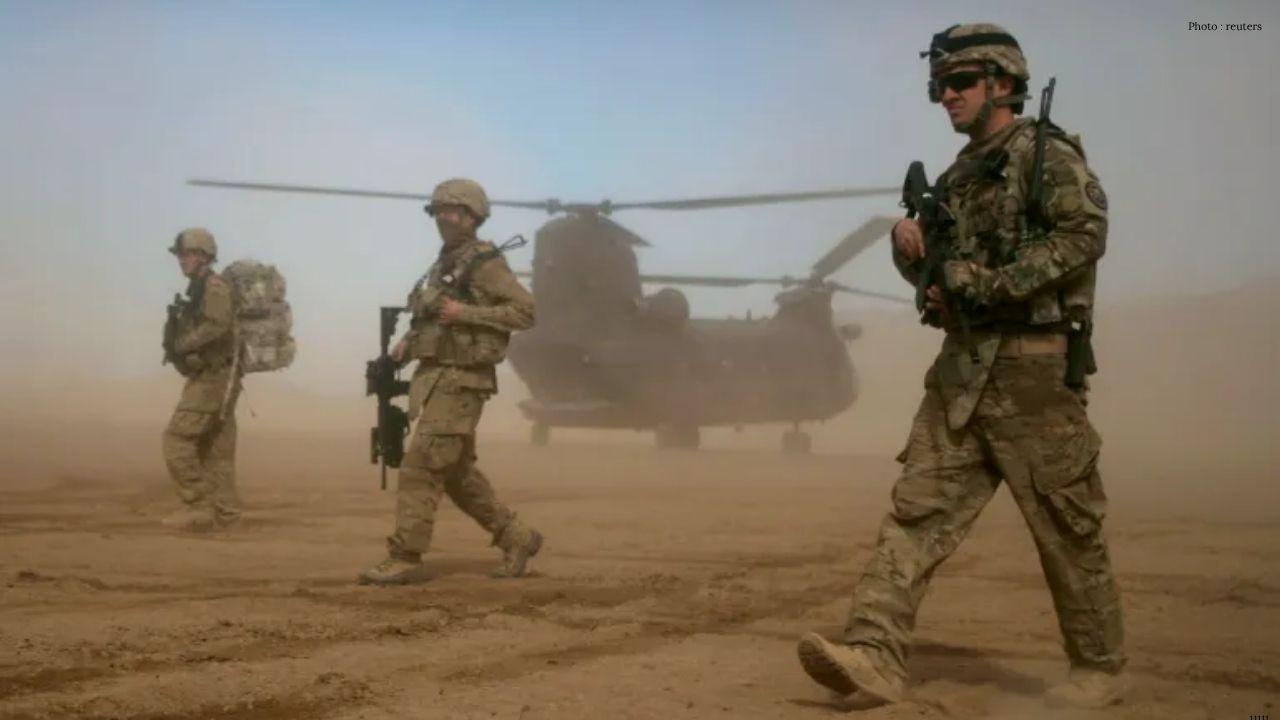
This announcement arrives amidst ongoing recruitment and staffing challenges within the Canadian military. Current statistics indicate that the Armed Forces are significantly below their designated personnel targets for both regular and reserve units. Expansion of training programs encounters hurdles due to constraints within military training systems.
Jennie Carignan, Canada’s highest military official, indicated that collaboration with technical schools and community colleges has already begun to ease the pressure on internal training resources. Partnerships with external educational institutions have enriched technical training prospects for military personnel.
The economic update further proposes the establishment of an independent Defence Investment Agency. This entity would function separately from federal procurement departments, endowed with greater authority to expedite defence projects and acquire equipment. A budget of over $100 million has been earmarked for the agency's creation and operations over the next five years.
Defence specialists suggest that the government's strategy could yield mutual benefits if executed effectively. Dave Perry from the Canadian Global Affairs Institute noted that the proposal has the potential to address both military recruitment and the shortage of skilled trades workers in Canada.
Despite the optimistic outlook, uncertainties linger regarding the government's approach to overall defence expenditure. Although the update outlines substantial increases in defence funding, critics have expressed concerns over the lack of clarity concerning financial allocations.
The government has pointed out spending on military salaries, assistance for Ukraine, development of Arctic defence infrastructure, naval shipbuilding, and new surveillance aircraft initiatives. Some analysts argue that many of these projects were already on the table prior to the latest budget boost.
The fiscal update did not satisfactorily clarify how Canada achieved the NATO defence spending standard of two percent of gross domestic product, a benchmark that has been prioritized by alliance members.
In spite of the existing criticisms, government officials are touting these defence investments as some of the largest in recent decades. They assert that the main focus remains on fostering a robust military force while simultaneously investing in Canadian industries, workers, and long-term economic stability.
The new initiatives are anticipated to be implemented progressively over the upcoming years as Canada endeavors to modernize its military framework and enhance workforce training avenues across the country.


 English