Post by : Shweta
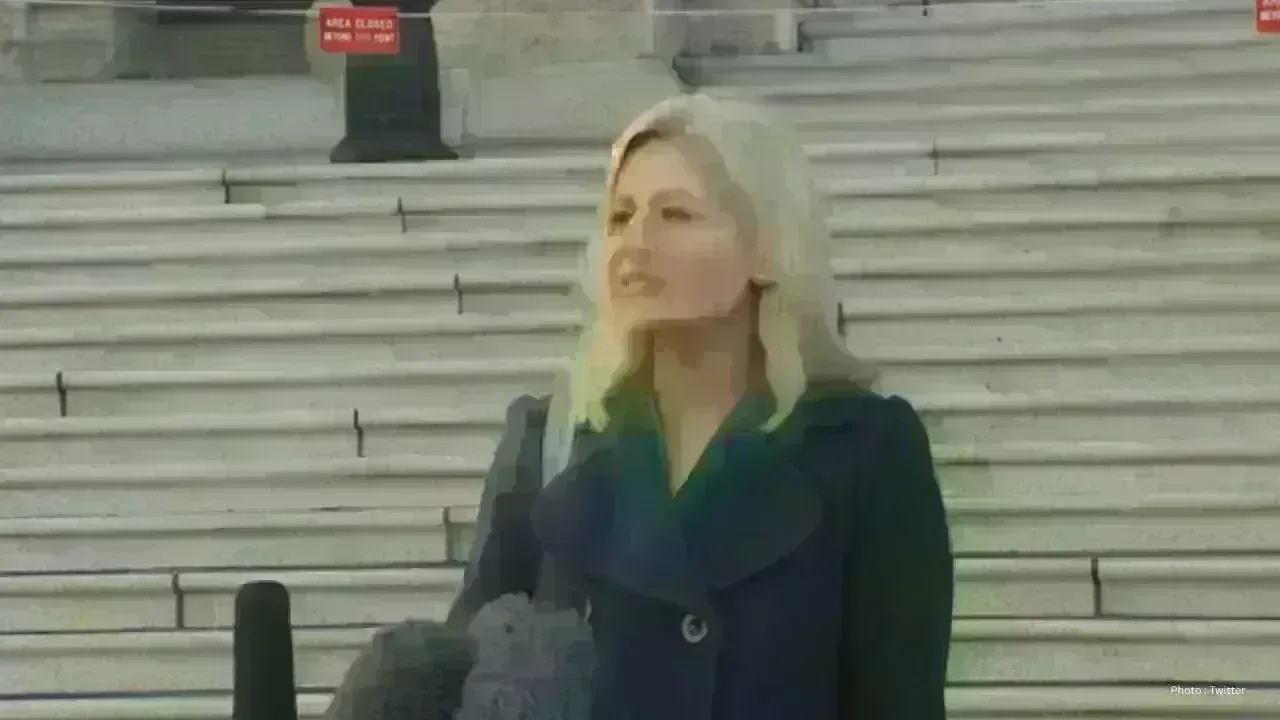
In British Columbia, a political uproar has arisen after Independent MLA Tara Armstrong was urged to retract statements made during a legislative session regarding a First Nations treaty. Her comments have drawn fierce criticism from peers, who deemed the language offensive.
The discourse centered around the K’omoks First Nation Treaty Act, where legislators were deliberating support for the treaty. Armstrong referred to the term “blood and soil,” historically linked to Nazi ideology. Critics expressed alarm over the choice of words, particularly given its implications for Indigenous rights.
Independent MLA Elenore Sturko voiced strong opposition, labeling the phrase inappropriate for legislative discourse and pressed Armstrong to retract her remarks. She accused Armstrong of disseminating false information about Indigenous history and governance, stating these inaccuracies have been rigorously challenged by legal decisions and historical facts.
Amna Shah echoed similar sentiments, calling the comments “deplorable” and condemning the revisionist interpretation of history presented. She highlighted the detrimental impact of language that belittles the experiences and rights of Indigenous populations.
Premier David Eby also weighed in, strongly criticizing the use of Nazi-related rhetoric in government discussions. He asserted that such language is unacceptable within democratic frameworks and urged all political factions to reject the comments made.
In response, Armstrong took to social media to defend her views, criticizing the government's stance on Indigenous affairs, particularly matters related to the UNDRIP framework. This reaction further fueled the ongoing political dialogue.
Consequently, members of the BC Greens have initiated a censure motion in the legislature. Should it pass, the measure would bar Armstrong from participating in legislative activities until she formally withdraws her comments.
This episode has intensified existing strains regarding Indigenous rights, the nature of political discourse, and the boundaries of acceptable language within public institutions, shedding light on the complexities lawmakers encounter when addressing delicate historical, identity, and governance issues.


 English