Post by : Shweta
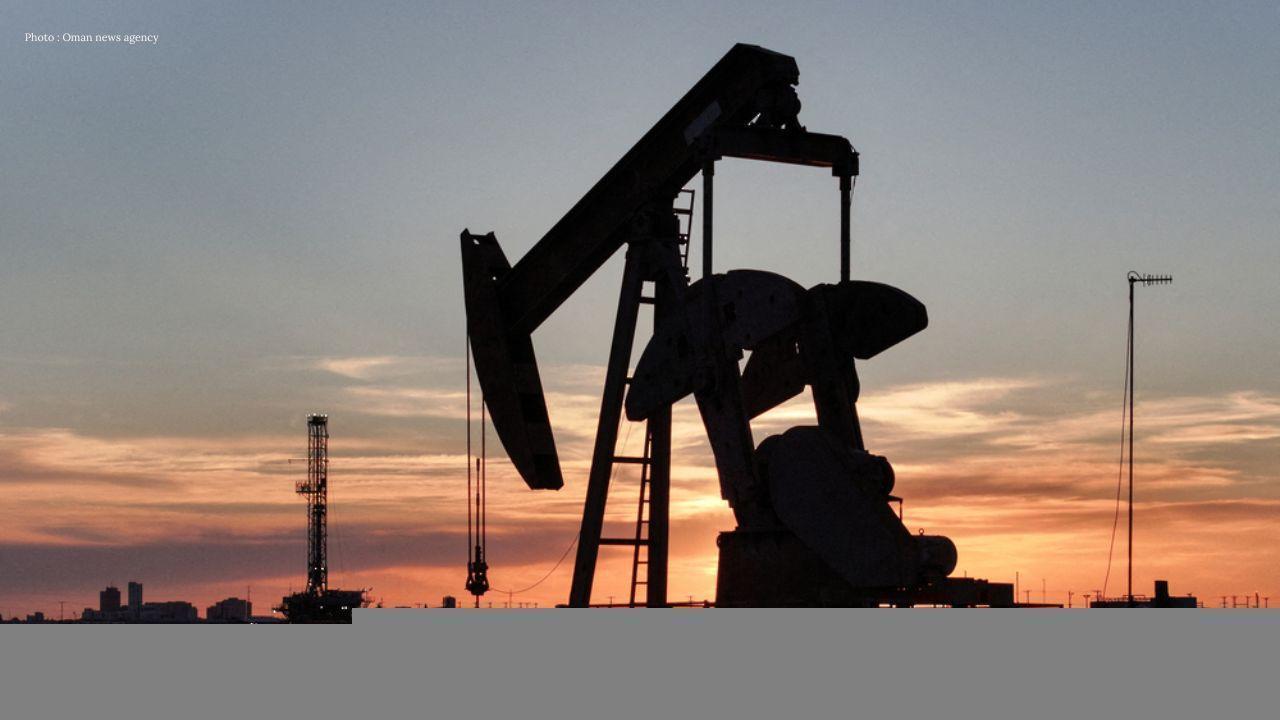
Adrian Dix, the Energy Minister of British Columbia, has expressed that a northern route for an oil pipeline originating in Alberta is “not a feasible possibility.” These remarks arise as reports suggest the Canadian federal government is contemplating a southern route for the still-unfunded project.
Dix pointed out that the northern route encounters significant hurdles, including the existing oil tanker prohibition along British Columbia’s North Coast. He clarified that this ban was instituted to safeguard coastal communities and the environment, complicating any pipeline initiative in that area. Furthermore, he emphasized the lack of public and financial support for such an approach.
The pipeline proposal forms part of a broader agreement between Alberta and the federal government, yet it currently lacks a private sector entity willing to finance and construct it. Dix stressed that without robust economic backing, the proposal is unlikely to progress in its current form. He highlighted that leveraging existing infrastructure like the expanded Trans Mountain pipeline would be a more viable alternative.
Reports indicate that Ottawa may be favoring a southern route, which circumvents the contentious northern coastline. Dix welcomed this potential direction, noting it aligns more closely with British Columbia’s long-established stance on preserving its coastal areas.
Meanwhile, the topic has raised alarms among Indigenous leaders. Terry Teegee, regional chief of the B.C. Assembly of First Nations, emphasized that any pipeline initiative—irrespective of the route—necessitates comprehensive consultation and consent from First Nations communities. He noted that several Indigenous groups were excluded in prior discussions, and their approval is crucial before any further steps are taken.
The renewed attention on pipeline development arises amid escalating global energy challenges and economic stress. However, uncertainties persist regarding the project’s viability, costs, and environmental ramifications. As conversations continue, both provincial and federal authorities are expected to balance economic advantages against environmental safeguarding and community input before proceeding.


 English