Post by : Shakul
In light of the upcoming El Niño phenomenon, Batam's authorities have commenced extensive weather modification initiatives to safeguard the city’s water resources. The cloud seeding program began on May 15, in collaboration with Indonesia’s Meteorological, Climatology and Geophysics Agency (BMKG), and is set to continue for a period of 20 days.
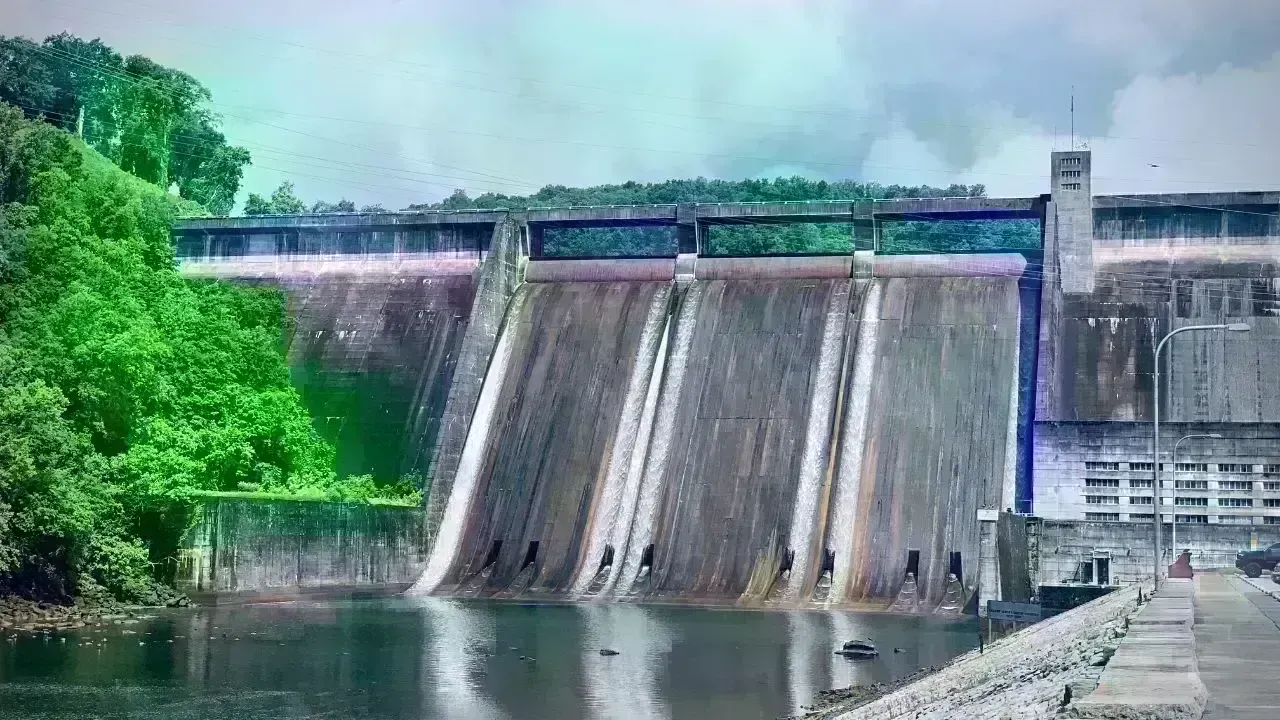
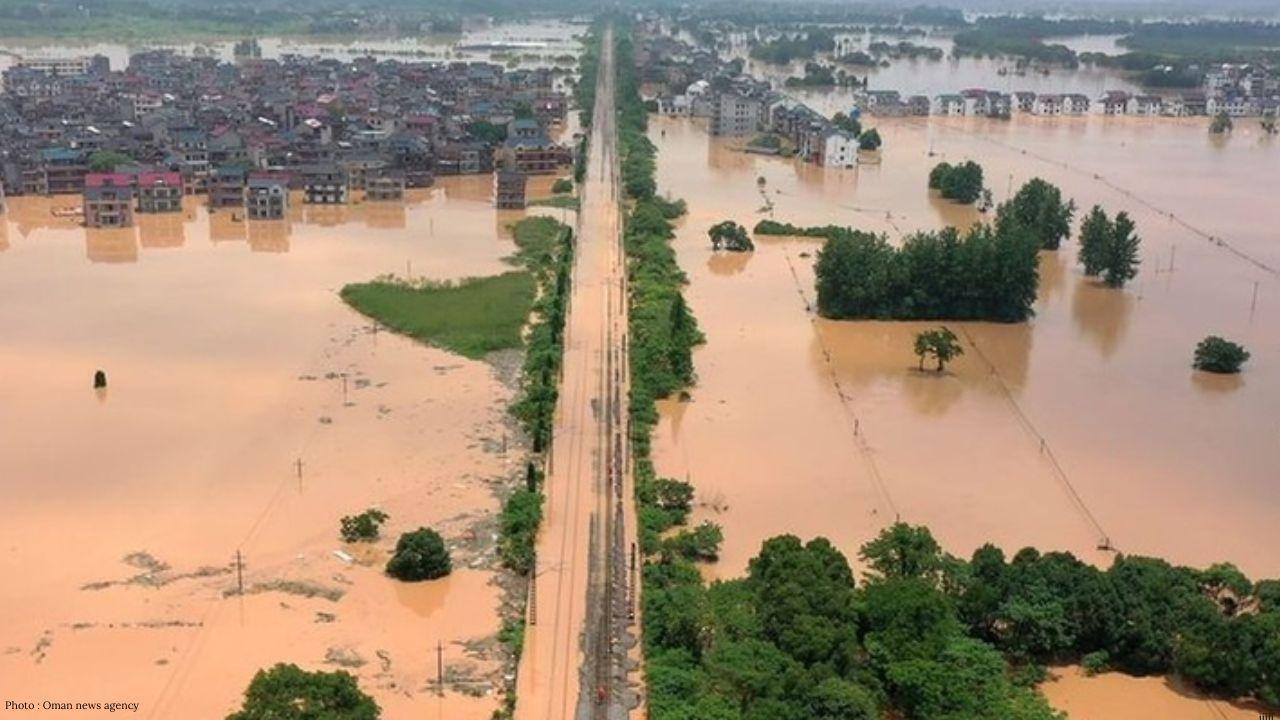
This action was triggered by significantly declining water levels in Batam’s six key reservoirs. As the water supply diminishes, there are rising concerns among both residents and industries on this rapidly developing island. With Batam's heavy reliance on reservoir water for daily needs and manufacturing, these changes pose substantial risks.
The reservoirs affected include Nongsa, Sei Ladi, Sei Harapan, Mukakuning, Tembesi, and Duriangkang. Authorities caution that should dry weather persist in the upcoming months, it could lead to serious challenges for the city. Given that Batam is a crucial hub for trade and industry in Indonesia, water security is essential for its economic resilience.
Ramlan Djambak, head of BMKG’s Hang Nadim weather station, noted that while El Niño's effects will vary across Indonesia, regions like Java may face harsher droughts. Conversely, the Riau Islands, including Batam, are likely to experience diminished rainfall and lower reservoir levels.
The cloud seeding effort utilizes aircraft to inject salt particles into the atmosphere, a method designed to stimulate cloud formation and promote precipitation in rain-deficient areas. Indonesia has previously adopted such weather modification strategies to mitigate drought threats and bolster agricultural productivity.
Experts describe this initiative as a proactive measure aimed at averting a significant water crisis in Batam. The area has undergone considerable industrial growth in recent years, intensifying the demands on its water supply, which is crucial for various sectors including manufacturing, residential needs, and commerce.
The government is also actively tracking climate patterns due to the ongoing global climate changes impacting Southeast Asia. Environmental scientists have cautioned that prolonged dry seasons stemming from El Niño may exacerbate water scarcity and disrupt agriculture in multiple regions of Indonesia.
Officials remain hopeful that the cloud seeding efforts will sustain reservoir levels and ensure adequate water for both the population and industries until typical rainfall resumes.


 English