Post by : Saif
Al-Najjar
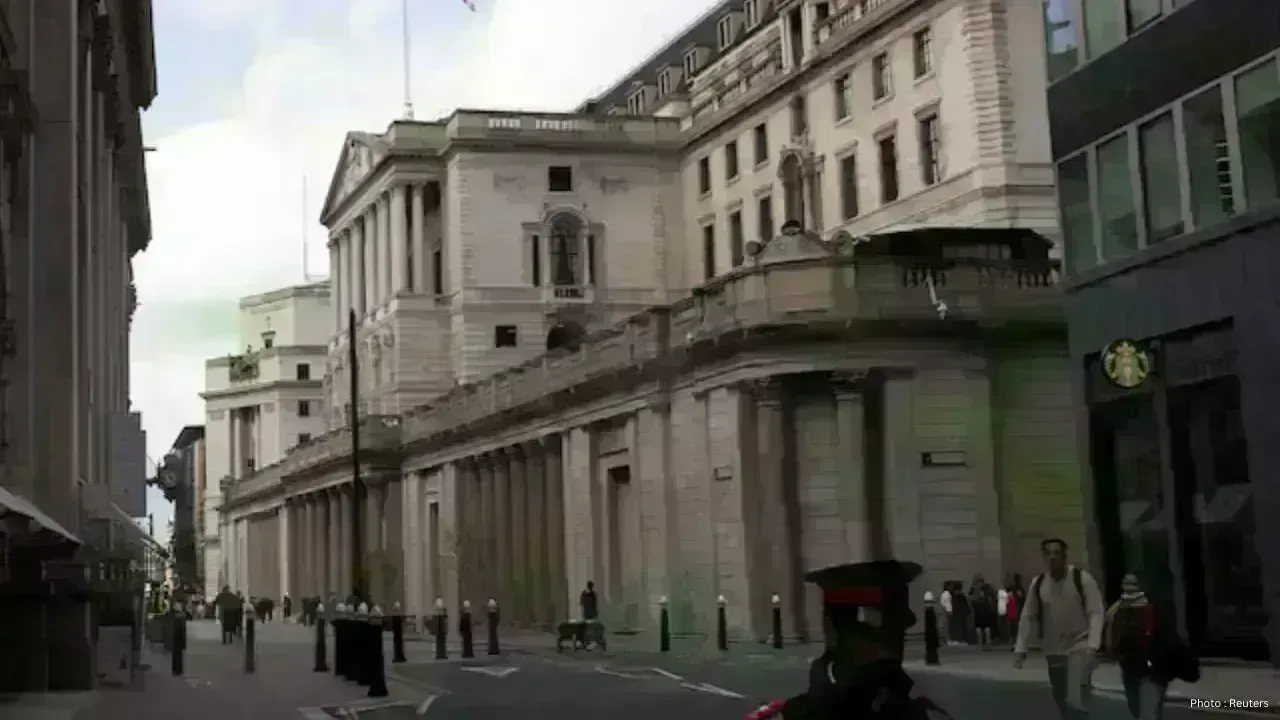
The Bank of England has opted to maintain its current interest rates while evaluating the economic consequences of the ongoing conflict in Iran. The surge in oil and energy prices has sparked inflation concerns, complicating swift policymaking. Thus, the central bank is choosing a wait-and-see strategy before implementing significant changes.
Experts anticipate that the Bank will keep rates steady as it seeks greater clarity on market conditions. The instability caused by the war has created uncertainty in global energy markets, directly influencing prices and the overall economic landscape. This has led to a cautious stance among policymakers.
With rising oil and gas prices come increased transportation and production costs, typically passed on to consumers. This scenario intensifies inflation, impacting household budgets and reducing discretionary spending.
Moreover, there's evidence of a decelerating economy. Higher prices often result in consumers cutting back on spending, leading companies to postpone investments. The central bank faces the challenge of maintaining equilibrium: Higher interest rates could stymie inflation but may also hamper economic growth further. Keeping rates unchanged might bolster growth but could also allow inflation to escalate.
Policymakers hold varying perspectives on the situation. While some argue that immediate action is necessary to curb worsening inflation, others caution that the economy remains vulnerable, asserting that premature rate hikes could be detrimental. Given these differing opinions, it seems most likely that rates will remain unchanged for the moment.
Financial markets are keenly observing the Bank of England's forthcoming decisions. Many investors speculate that rates could increase later in the year if inflation continues on its current trajectory. Future decisions will hinge on developments, particularly within energy markets.
The conflict in Iran has intensified pressures on the global economy, resulting in oil supply disruptions and higher prices affecting various nations. This scenario raises alarms about sluggish growth and escalating costs worldwide. Central banks globally are grappling with similar dilemmas, trying to navigate inflation control while fostering economic recovery.
The pervasive uncertainty is also influencing business confidence. Companies are hesitant about future expenses and demand, prompting them to be more conservative regarding hiring and investments. Concurrently, consumers face elevated living costs, altering their spending habits.
Upcoming updates from the Bank of England are anticipated to shed light on forthcoming inflation and economic projections. This information will guide policymakers in shaping their strategies moving forward.
Presently, the central bank's approach underscores a blend of caution and strategic foresight, aiming to fully grasp the repercussions of the Iran conflict before making any decisive moves. The coming months will be critical in determining whether interest rates will hold steady or start to rise.


 English