Post by : Shakul
Political tensions are escalating in Bangladesh following the parliament's decision to reverse a series of reforms that were implemented after the student-led protests of 2024. This rollback has sparked anxiety among opposition factions and civil rights advocates regarding the future of democratic governance in the nation.
These developments occur in the wake of the removal of former Prime Minister Sheikh Hasina, leading to an interim government under Muhammad Yunus, which aimed to enhance governance, promote human rights, and ensure institutional independence through a range of ordinances.
Out of a total of 133 ordinances assessed by the newly formed parliament, at least 23 significant measures have either been rescinded or permitted to expire. These measures included reforms focused on human rights oversight, judicial independence, anti-corruption initiatives, and policing protocols that were essential for restructuring governmental bodies.
Critics from opposition and civil society contend that these legislative changes undermine the safeguards established following the protests, potentially shifting power back to central authorities. They caution that the elimination of legal protections may hinder accountability and diminish transparency in governance.
In defense, government officials assert that the revision process is vital for refining legislation and eliminating inconsistencies. They indicated that certain reforms were vague and may be reintroduced after consultations with stakeholders such as legal experts and civil society representatives.
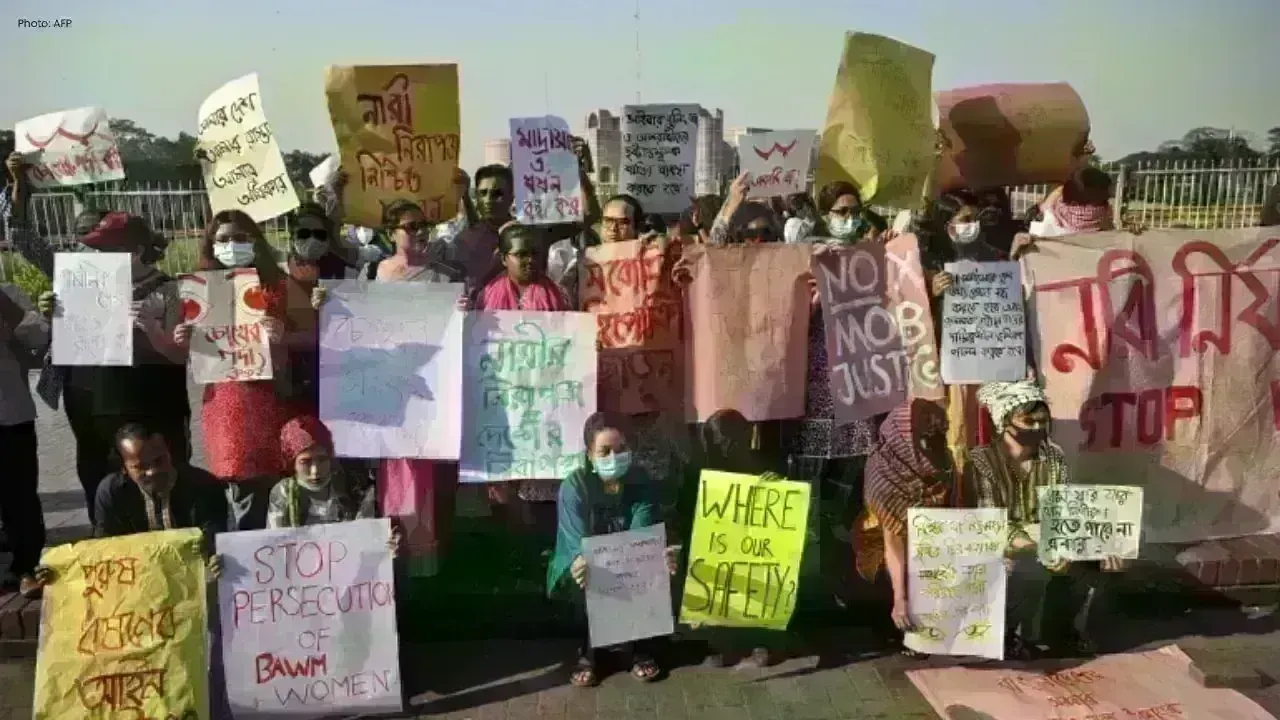
The rollback has incited protests and political mobilization throughout Bangladesh, reflecting the underlying tensions regarding the nation’s political evolution. Analysts argue that this situation surpasses specific legislations and highlights a more extensive battle over institutional authority and reforms.
Experts warn that the erosion of legal frameworks related to human rights and judicial independence may yield long-term consequences. The upcoming months are pivotal in ascertaining if the government will proceed with revised reforms or persist on its current legislative trajectory.


 English