Post by : Abhinav
Rana
Photo : X / @AsharqBusiness
In a decisive move to safeguard its financial system amid rising regional uncertainty, Bahrain has rolled out a comprehensive package of loan relief measures and liquidity support, signaling a proactive approach to economic resilience. At a time when geopolitical tensions are rippling across the Middle East, the Kingdom’s central bank has acted swiftly to ensure that both businesses and individuals can navigate financial pressures without triggering wider instability. This intervention reflects a growing trend among Gulf economies to deploy targeted financial tools that maintain confidence, stabilize markets, and protect long-term growth trajectories.
At the core of Bahrain’s response is a structured loan deferral program that allows both individuals and businesses to postpone repayments on loans and credit obligations for a period of three months. This includes deferrals on both principal and interest, offering immediate relief to borrowers facing cash flow constraints. The move is designed to prevent a sudden spike in financial stress across households and enterprises, particularly those impacted by slowing economic activity linked to regional conflict. By allowing flexibility in loan classifications, regulators are also ensuring that banks are not forced to prematurely categorize loans as distressed, thereby preserving financial stability across the system.
Beyond borrower relief, Bahrain has introduced a significant liquidity boost aimed at reinforcing the banking sector’s ability to continue lending. Key regulatory adjustments include reducing reserve requirements from 5% to 3.5% and lowering liquidity ratios, effectively freeing up capital within the system.These measures are expected to inject billions into the financial ecosystem, enabling banks to meet funding needs and sustain credit flow during a period of uncertainty. By extending access to liquidity facilities and easing funding conditions, the central bank is ensuring that financial institutions remain agile and capable of supporting economic activity even in volatile conditions.
The timing of Bahrain’s intervention is critical. The ongoing geopolitical situation has already begun to weigh on economic forecasts, with growth expectations being revised downward as uncertainty impacts trade, investment, and consumer sentiment.For a relatively smaller economy within the GCC, maintaining financial stability is essential to sustaining investor confidence and economic momentum. Bahrain’s measures align with broader regional strategies, where governments and central banks are working in tandem to cushion their economies against external shocks.
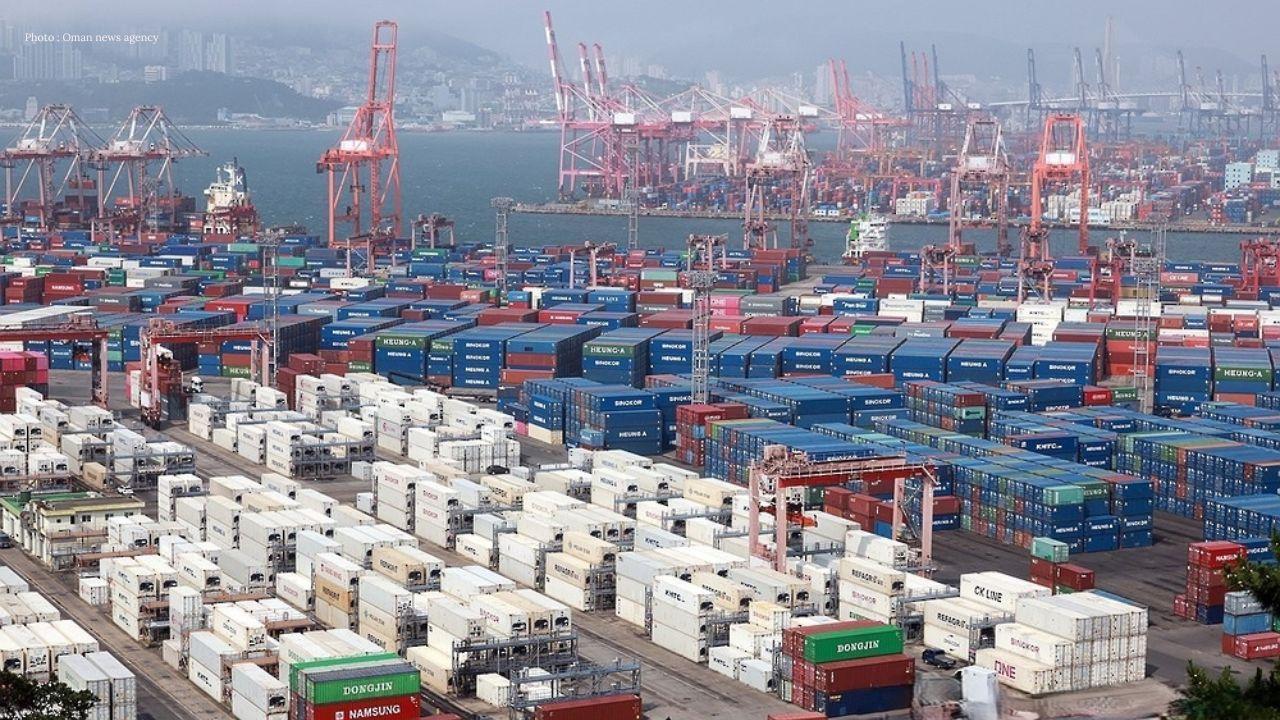
While the measures are financial in nature, their implications extend deeply into transportation and industrial sectors key areas of focus for Armust. Stable banking systems are fundamental to funding infrastructure projects, logistics operations, and mobility initiatives. Loan relief ensures that companies involved in transportation, construction, and supply chains can continue operations without facing immediate financial strain. At the same time, enhanced liquidity allows banks to finance critical projects, from port expansions to urban mobility systems, ensuring that development pipelines remain intact even during periods of economic stress.This highlights a crucial connection: financial resilience directly supports infrastructure continuity, enabling economies to maintain progress even when external conditions are uncertain.
Bahrain’s actions are part of a broader pattern across the Gulf, where central banks are deploying similar tools to maintain stability. From liquidity injections to regulatory flexibility, these coordinated efforts are aimed at creating a buffer against geopolitical volatility and ensuring that banking systems remain robust.This regional alignment not only strengthens individual economies but also reinforces the GCC’s collective resilience, positioning it as a stable economic bloc capable of weathering global disruptions.
Looking ahead, Bahrain’s loan relief and liquidity measures are likely to play a critical role in shaping the country’s economic trajectory in the coming months. By providing immediate support while maintaining long-term financial discipline, the central bank is striking a careful balance between stability and sustainability. If regional tensions ease, these measures could accelerate recovery by restoring confidence and enabling faster economic activity. If uncertainty persists, they will serve as a vital safety net, preventing deeper disruptions and ensuring continuity across key sectors.Ultimately, Bahrain’s strategy underscores a broader lesson for global economies: in times of uncertainty, proactive financial governance is not just a safeguard.It is a catalyst for resilience, growth, and sustained progress.


 English