Post by : Shweta
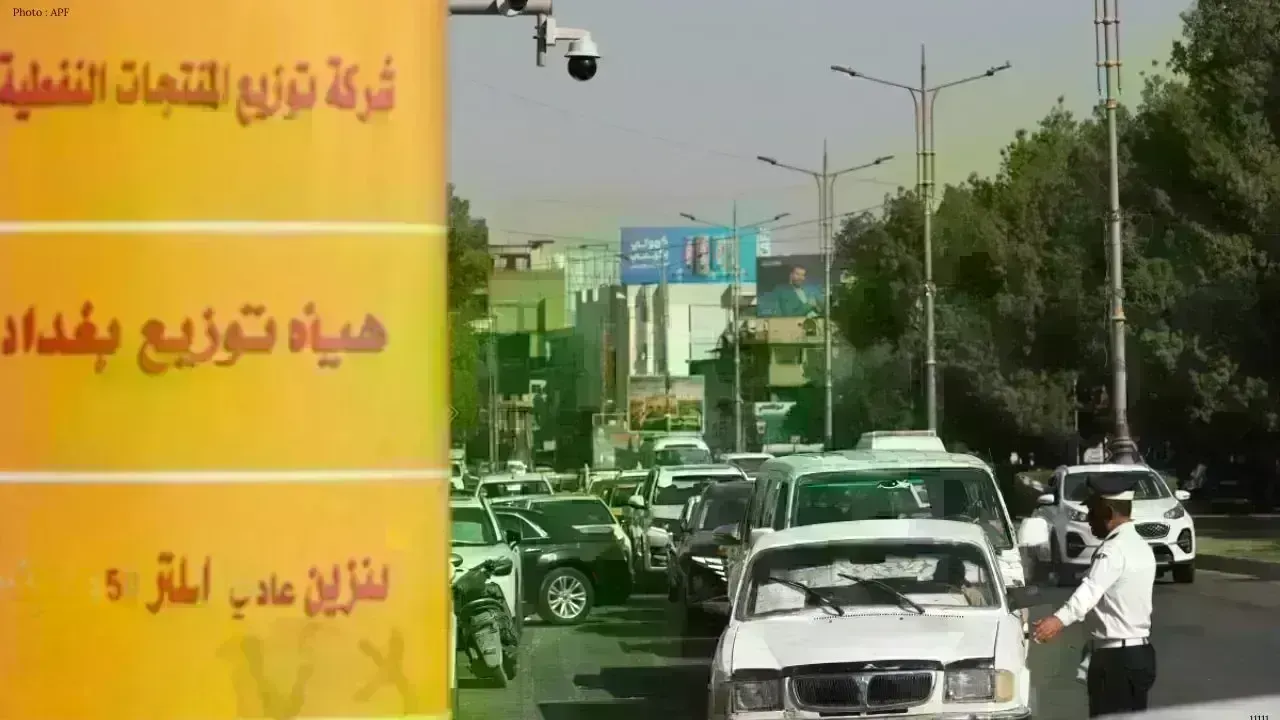
Queues have grown at petrol stations across Baghdad as gasoline availability declines, a situation exacerbated by ongoing conflicts disrupting fuel imports. Motorists in Iraq's capital find themselves waiting for hours to secure gasoline, reflecting the broader impact of regional turmoil on fuel supplies and trade. Despite being one of the world's leading oil producers, Iraq relies on imports of fuel derivatives due to insufficient production from domestic refineries to meet demand.
Drivers Longing for Fuel in Baghdad
In recent weeks, long wait times have become a common sight in Baghdad and other Iraqi provinces, driven by ongoing regional hostilities. These queues have been especially prominent at government-operated stations, where drivers gather in hopes of obtaining gasoline. Local resident Ibrahim Hashem reported waiting for two hours at a petrol station only to leave empty-handed. He returned the next morning in another attempt. This shortage compounds existing challenges for Baghdad's residents, including heavy traffic and concerns over inadequate infrastructure and public services. The increased time drivers spend waiting for fuel further compounds congestion on city roads.
Iraq’s Daily Gasoline Demand Soars
Iraq's gasoline consumption is already considerable, with authorities estimating the daily need to be about 33 million litres. However, in times of public worry over shortages, this figure can escalate to around 38 million litres as drivers rush to fill their tanks, putting extra strain on supplies. Fears of scarcity often lead consumers to refuel earlier or buy more, resulting in lengthier queues and higher consumption rates. The Oil Ministry has advised citizens to only purchase what they need to minimize crowding at stations.
Conflict Affects Tanker Operations
The Iraqi Oil Ministry has indicated that ongoing regional conflicts have made logistics for tanker traffic challenging. Delays in shipment arrivals at Iraqi ports have intensified gasoline shortages. Oil Minister Bassem Mohammed Khudair mentioned that the ministry is working to resolve what he described as a temporary shortage and that new shipments are expected soon to help restore stability. This situation underscores how conflicts in one area of the Middle East can disrupt energy markets, logistics, and fuel availability in dependent nations.
The Vital Strait of Hormuz
The happenings in the Strait of Hormuz, a crucial energy shipping corridor, are tightly linked to these supply disruptions. The ongoing US-Iran tensions have hampered the movement of vessels in the area, complicating oil and fuel shipments throughout the region. Iraq's economy is highly reliant on oil exports, with oil revenues constituting about 90 percent of the national budget, making the country particularly susceptible to disturbances in regional energy trade. Prior to the conflict that erupted in February, Iraq was producing approximately four million barrels of oil each day, exporting about 3.4 million barrels, mostly via the Strait of Hormuz.
Recovery in Oil Exports Post-Decline
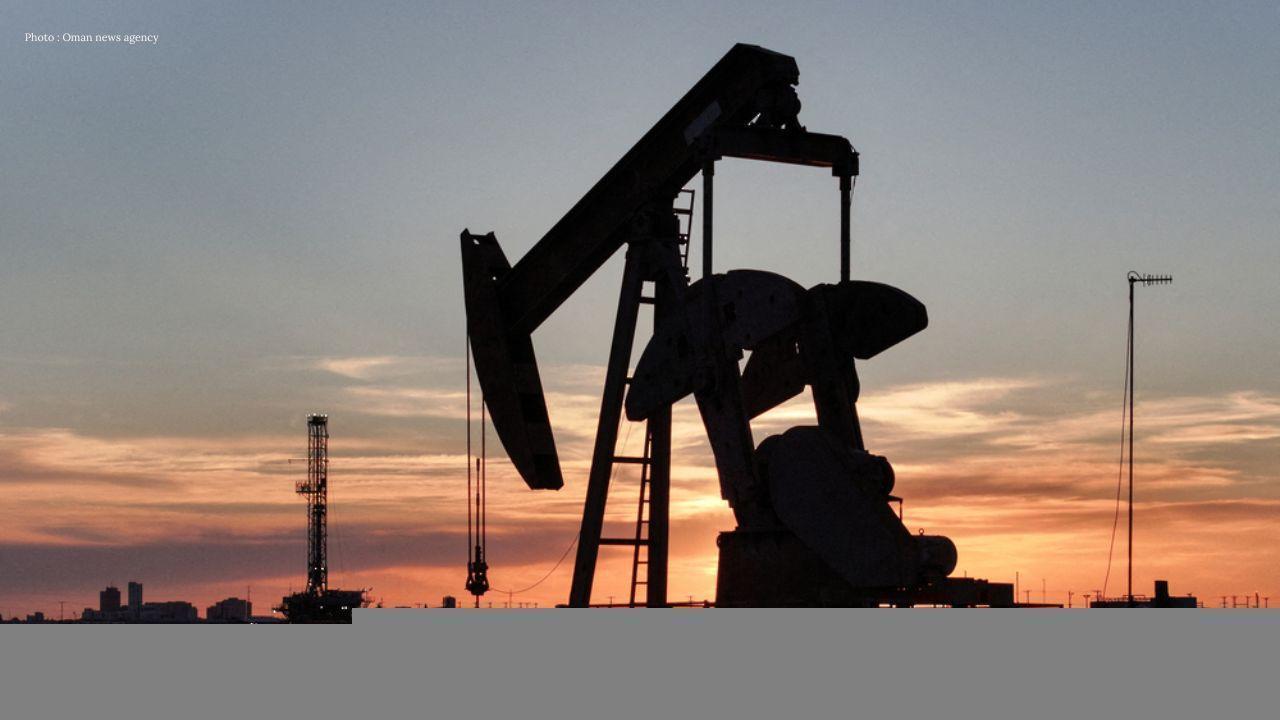
After a significant drop in oil exports due to the regional conflict, Iraq's exports rebounded to over 2.2 million barrels per day by August according to the Oil Ministry. While this recovery brings some relief to Iraq's oil sector, ongoing disruptions to shipping and fuel imports are still a pressing concern. Large production of crude oil doesn’t guarantee sufficient refined fuel, as the crude must undergo processing by refineries before it can be utilized. This gap between oil production and refining capacity explains why Iraq faces gasoline shortages despite being one of the largest oil-producing nations.
Iran Permits Some Iraqi Tankers Through Hormuz
Iranian media reported last month that Tehran had allowed a selection of Iraqi oil tankers passage through the Strait of Hormuz in the last six months. This could facilitate some continuity in the movement of Iraqi oil through this vital route. Nonetheless, persisting regional tensions render shipping conditions unpredictable, and any sustained disruptions may exert extra pressure on energy supplies and transport costs. The immediate concern for Iraqi consumers is fuel accessibility, while the broader crisis highlights the sensitivity of oil and fuel markets to disruptions along significant global shipping routes.
Read more : Rescue Efforts Intensify in Nepal as Two Workers Are Found Alive
Fuel Shortage Underlines Iraq’s Energy Vulnerability
The resurgence of lengthy petrol lines in Baghdad has revealed a persistent issue for Iraq: while the country produces vast amounts of crude oil, it remains reliant on imported refined fuel to meet domestic needs. Officials describe the current shortage as temporary, with additional shipments expected to stabilize the market. However, this situation illustrates how susceptible Iraq’s fuel infrastructure is to regional conflicts affecting tanker traffic and global supply chains. As the unrest continues, Iraqi officials are closely monitoring aspects of fuel imports, refinery production, port operations, and oil exports. Any further disruption in the Strait of Hormuz could have significant repercussions for Iraq’s economy and consumers already facing long delays at petrol stations.


 English