Post by : Shakul
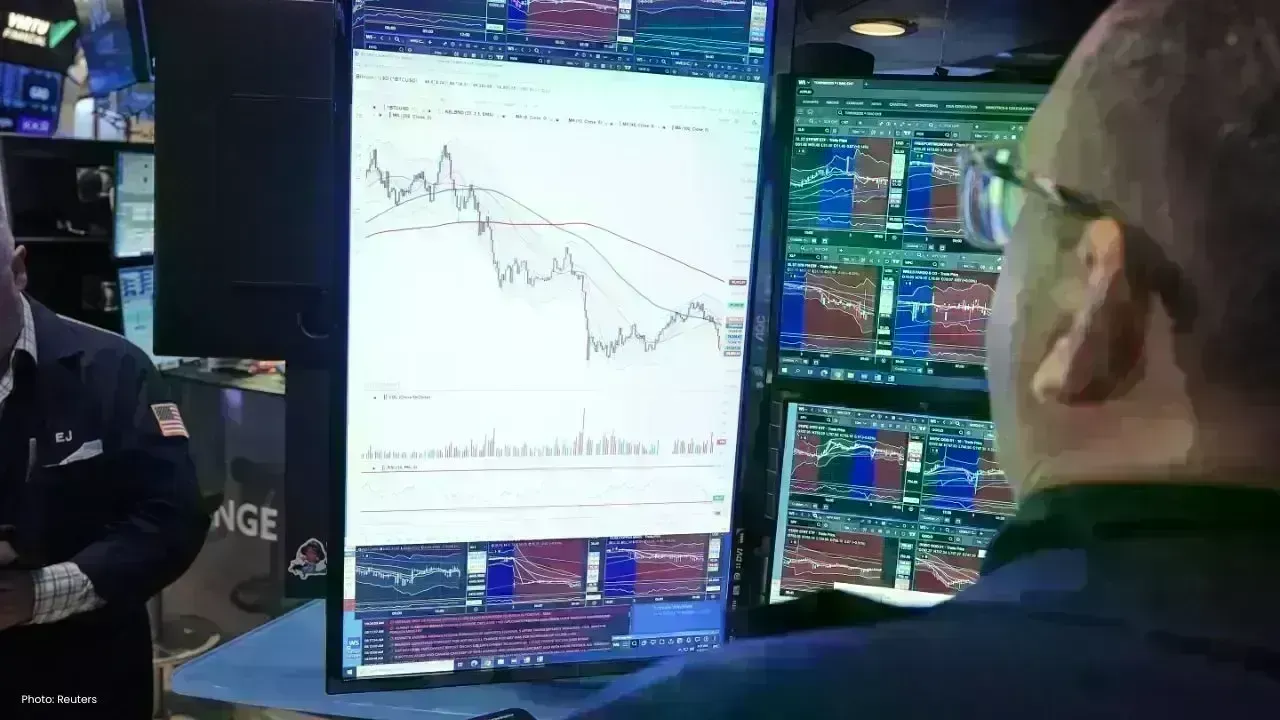
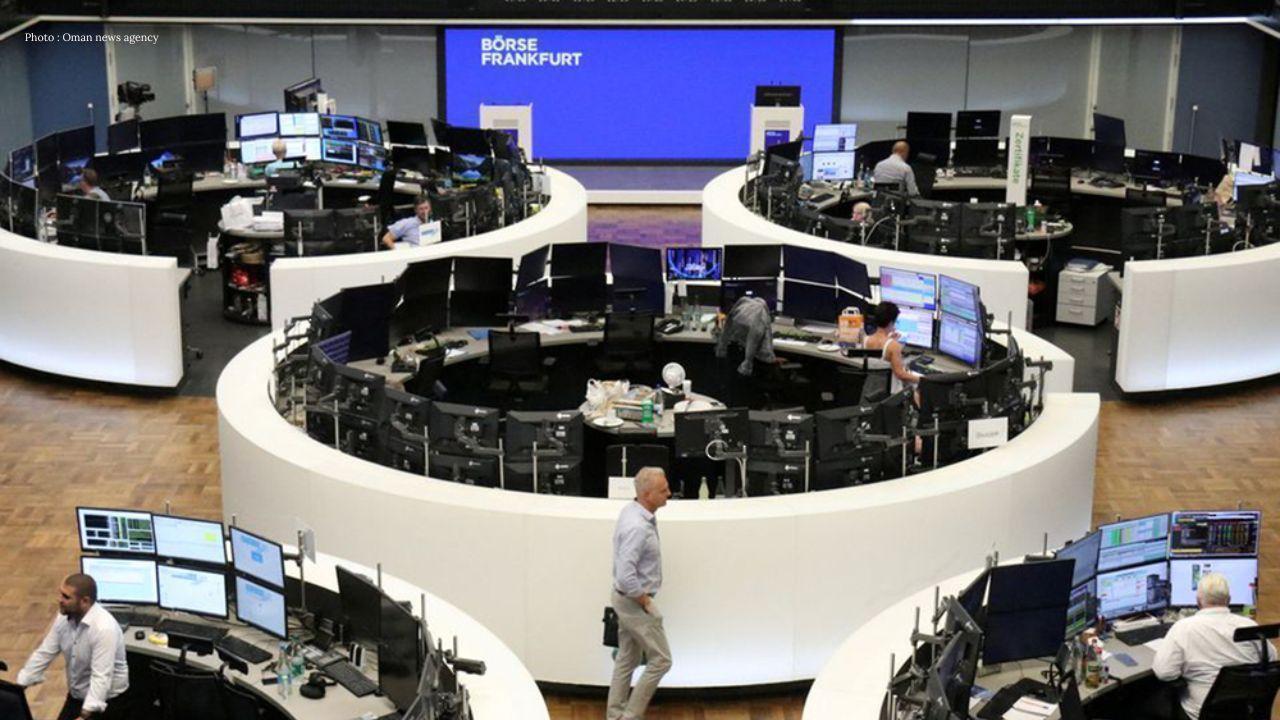
Asian stock exchanges experienced significant declines on Monday, influenced by a considerable selloff in U.S. technology stocks that resulted in Wall Street's worst day in several months. Investor confidence waned as prospects for a Federal Reserve interest rate increase grew stronger due to unexpectedly robust U.S. employment figures.
The Nikkei 225 in Japan saw a dramatic fall of 4.5 percent, landing at 63,604.15, which marked the most pronounced losses in the region. Despite the revision of Japan's first-quarter GDP growth from 2.1 percent to 1.8 percent, the index remains significantly above figures seen five years earlier. This downturn reflects rising unease regarding global economic stability and inflated market valuations.
South Korea's Kospi faced one of the steepest drops in Asia, plummeting by 8.2 percent under substantial selling pressure on major tech firms. Samsung Electronics experienced almost a 10 percent decline, and chipmaker SK Hynix also suffered considerable losses. Taiwan's Taiex fell 3.5 percent, while Hong Kong's Hang Seng Index and China's Shanghai Composite both closed lower amidst widespread market adversity.
Market fluctuations heightened as renewed geopolitical tensions in the Middle East led to a sharp increase in crude oil prices. Brent crude exceeded $97 per barrel, while the U.S. benchmark approached $95 per barrel amidst reports of new Israeli airstrikes in Iran. Concerns about prolonged regional instability heighten the risk of disrupted energy supplies and escalating inflation globally.
This market downturn followed Wall Street's poorest performance since October, with the S&P 500 falling by 2.6 percent and the tech-heavy Nasdaq dropping 4.2 percent. Investors recalibrated their expectations for interest rates following U.S. labor market data that indicated 172,000 jobs were added in May, a number well above what the market anticipated, pointing to ongoing economic strength.
The strong jobs report led traders to raise the likelihood that the Federal Reserve may consider an interest rate increase later this year. Rising Treasury yields echoed these expectations, as bond markets adjusted to a higher probability of tighter monetary practices. Analysts observed that ongoing inflation risks linked to energy might also play a crucial role in the Fed's future decisions.
Despite the surrounding volatility, currency markets showed relatively stable behavior. The U.S. dollar remained around ¥160 against the Japanese yen, while the euro saw slight appreciation against the dollar. Investors are now anticipated to keep a keen eye on forthcoming economic updates, central bank communications, and developments in the Middle East to chart the course for global financial markets.


 English