Post by : Bianca
Haleem
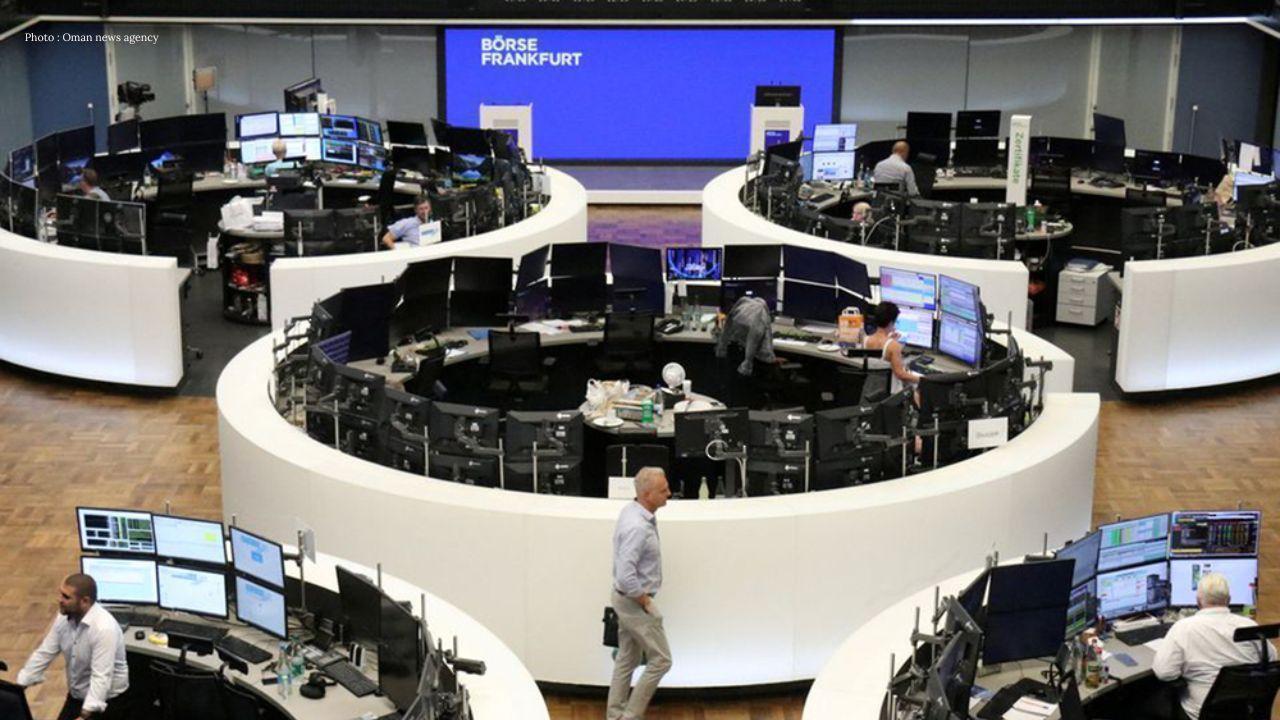
A major disruption in global liquefied natural gas (LNG) supply has triggered intense competition among Asian and European buyers, as the shutdown of Qatar’s key export facility tightens the market.
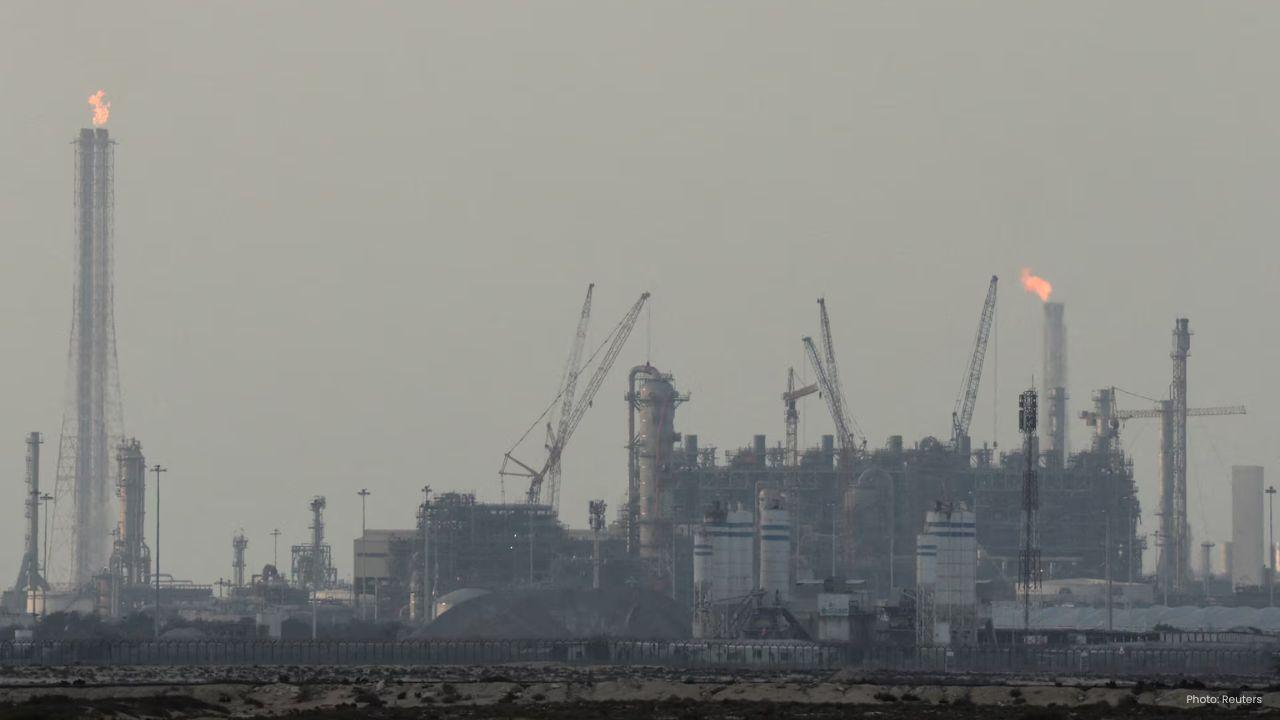
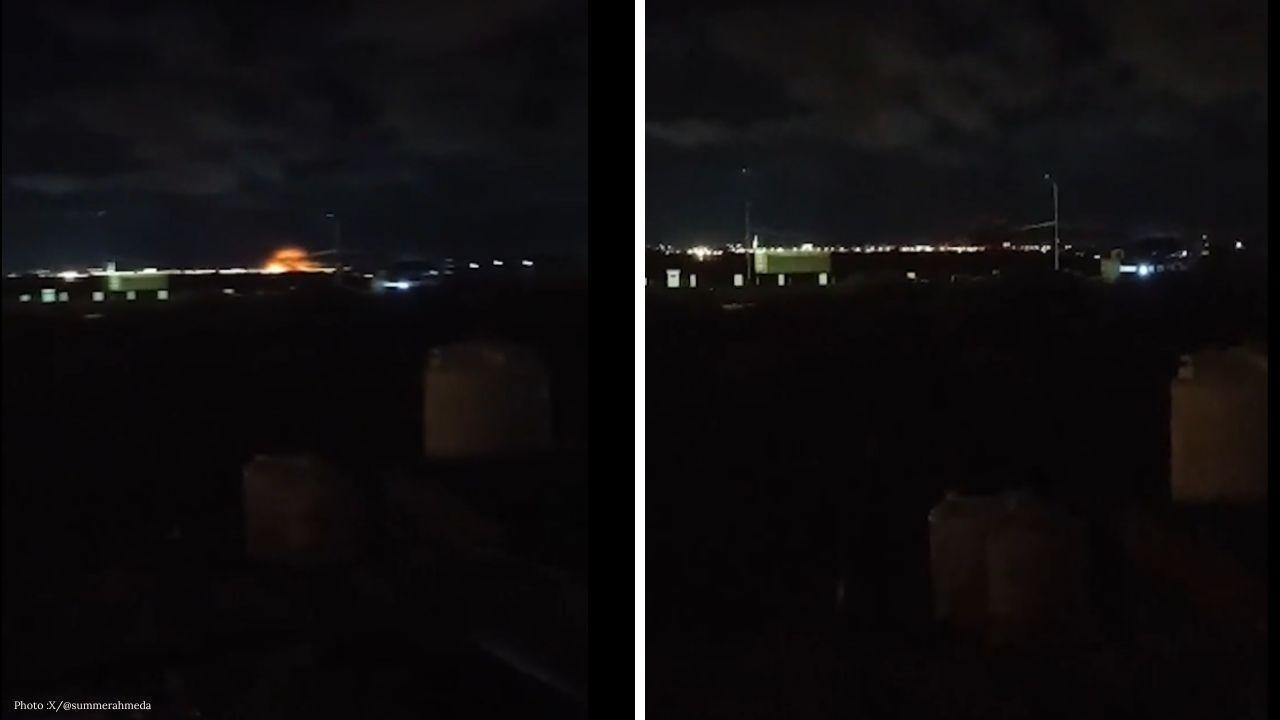
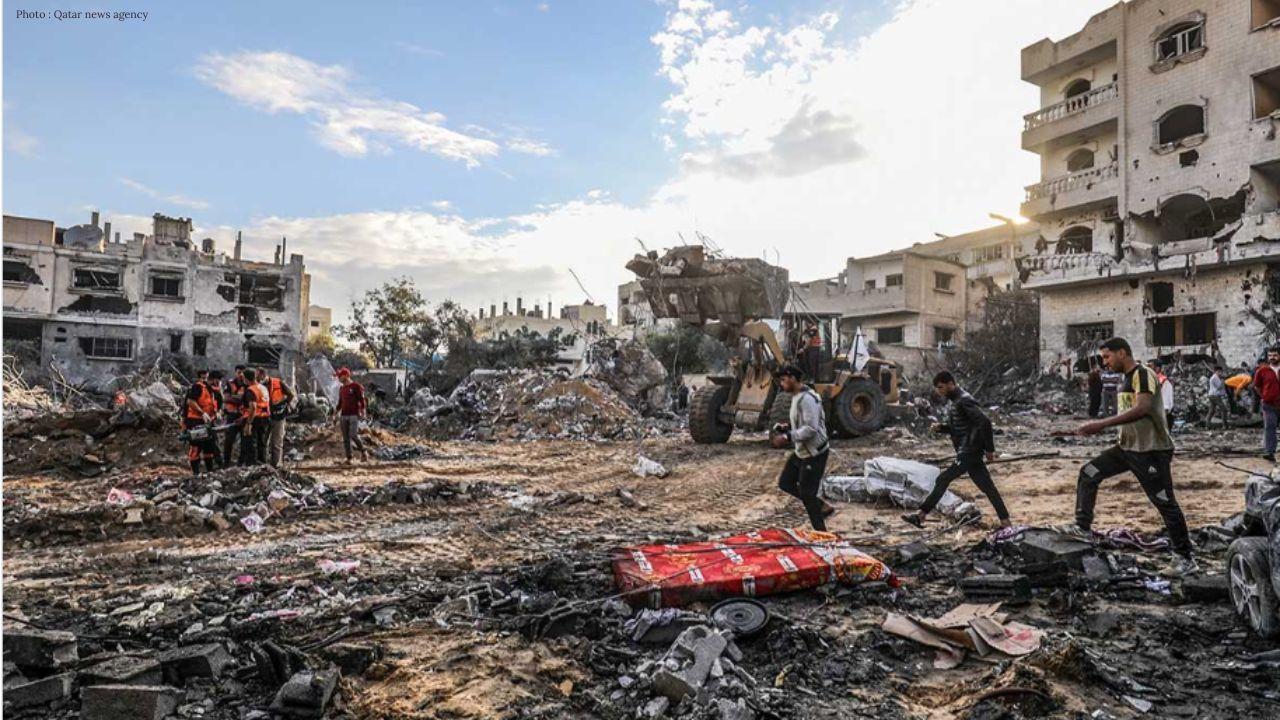
The crisis follows attacks linked to the ongoing conflict involving Iran, which impacted the Ras Laffan industrial hub—one of the world’s largest LNG export centers. The disruption has taken nearly 20% of global LNG supply offline, creating an unprecedented supply crunch.
Buyers Turn to US for Emergency Supplies
Countries like Japan and Germany are now in discussions with US suppliers to secure short-term LNG cargoes. These talks, taking place during the CERAWeek by S&P Global in Houston, highlight the urgency of the situation.
However, the US—despite being the world’s largest LNG exporter—is facing its own limitations. Most export terminals are already operating at near full capacity, and a large portion of supply is tied up in long-term contracts.
Limited Supply, Rising Prices
With constrained availability, LNG prices in the spot market have nearly doubled since the crisis began. Industry experts warn that the competition between wealthy regions like Europe and Asia will push prices even higher.
Major US exporters including Cheniere Energy, Venture Global, and Woodside Energy are running at maximum output. Some are even reviewing maintenance schedules and accelerating project timelines to release additional cargoes.
Middle East Supply Routes Disrupted
The effective closure of the Strait of Hormuz has further worsened the crisis by blocking a key global energy shipping route. This has cut off a significant portion of LNG exports from the Middle East.
Countries dependent on continuous LNG imports, especially Japan, are particularly vulnerable. Reports indicate Japan holds only about three weeks’ worth of gas reserves, making steady supply critical.
Emerging Markets Face the Biggest Impact
While developed economies are aggressively securing supplies, emerging markets such as India and Bangladesh are expected to face the most severe impact.
Rising prices are likely to strain their energy budgets, as wealthier nations outbid them in the global market. Analysts warn this could deepen energy insecurity in developing regions.
US Gains Strategic Advantage
Despite supply constraints, the current crisis presents a significant opportunity for US LNG exporters to strengthen their global market position and capture long-term market share from Qatar.
Experts believe the geopolitical risks in the Middle East will lead to a reassessment of supply reliability, making US LNG a more attractive option for global buyers in the future.


 English