Post by : Saif
Al-Najjar
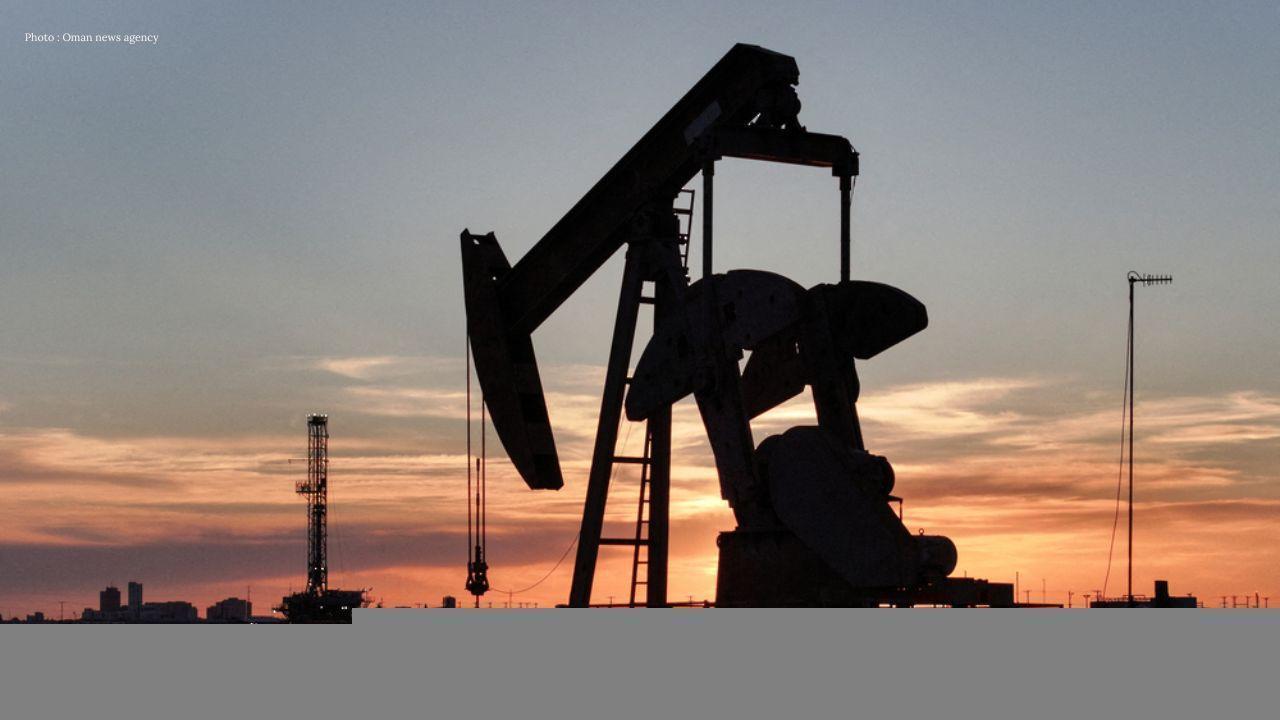
Leaders from Southeast Asia are convening in the Philippines at the ASEAN Summit, where pressing issues surrounding the global energy crisis take center stage. The turmoil in the Middle East, coupled with soaring oil prices and the threat of fuel shortages, is exerting significant economic strain across the region.
As the summit unfolds during a challenging period, many ASEAN nations, which heavily rely on oil and gas imports from the Middle East, are feeling the impact. Ongoing conflicts concerning Iran and uncertainties in the Strait of Hormuz have sparked concerns about energy supply disruptions, inflation, and economic stagnation across Southeast Asia.
During discussions, leaders have identified energy security, stability in food supply, and safeguarding regional economic interests as critical priorities. Emergency response plans and fostering stronger collaboration among member states to tackle potential energy crises will also be on the agenda.
The Strait of Hormuz is crucial for global petroleum shipping, with a large share of Asia’s energy imports traversing this vital route. Disruptions here could have immediate repercussions for countries in Southeast Asia reliant on fuel imports to sustain industry, transport, and energy provision.
Recent Middle Eastern tensions have led to a rapid increase in oil prices in recent weeks, putting pressure on governments striving to shield citizens from rising fuel costs and inflation.
Southeast Asian economies remain particularly at risk, many still recuperating from past global economic shocks. Elevated fuel costs may escalate transportation fares, food prices, and electricity rates, stirring inflation that impacts both businesses and households.
In response, certain ASEAN nations have enacted emergency protocols, including enhancing fuel subsidies, cutting taxes, curbing energy exports, and promoting energy conservation strategies. Others are seeking alternative oil suppliers outside of the Middle East.
Additionally, regional leaders are deliberating the ASEAN Petroleum Security Agreement, intended to bolster cooperation among nations during fuel supply emergencies, which could pave the way for synchronized oil-sharing initiatives.
Analysts assert that this summit might be pivotal in addressing the economic risks confronting the region. Stable trade routes, reliable fuel access, and robust export sectors are foundational for Southeast Asia, where prolonged energy setbacks could hinder growth.
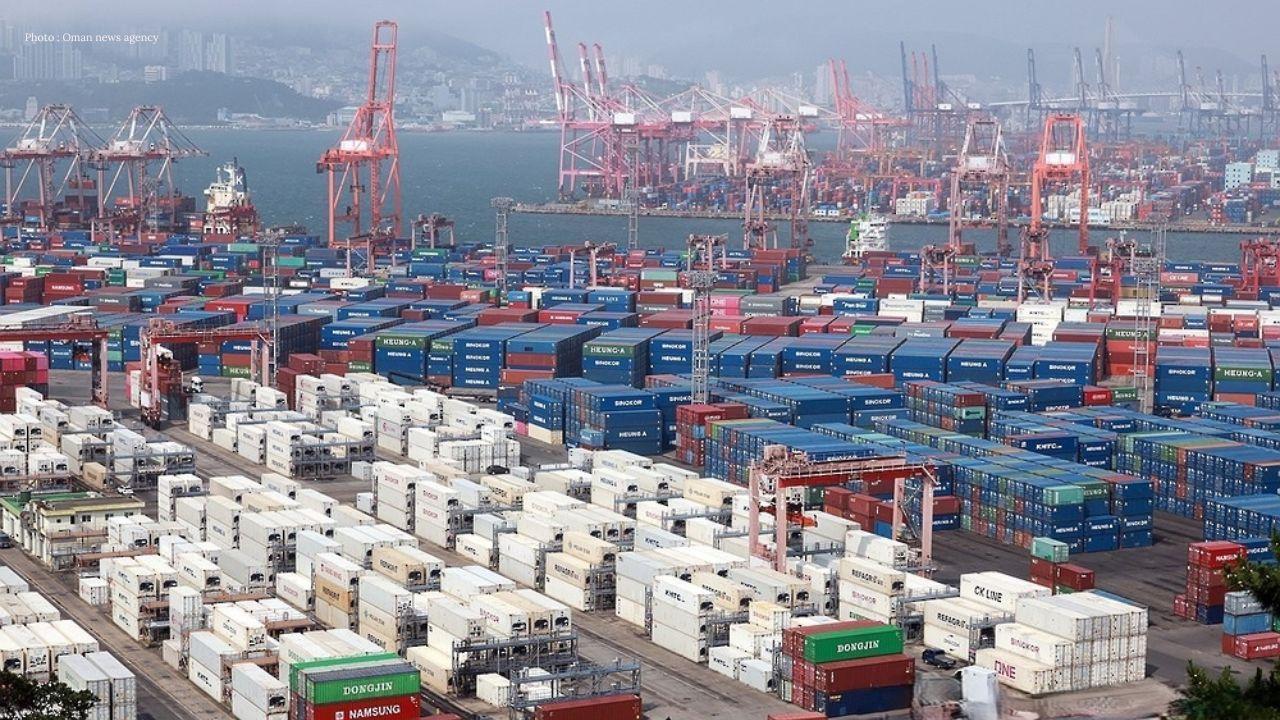
Experts caution that the Middle Eastern conflict may adversely impact ASEAN’s growth projections for 2026, with rising fuel and shipping expenses affecting commerce, manufacturing, aviation, agriculture, and tourism.
At the same time, ASEAN leaders confront internal regional disputes that could complicate unified responses to the energy predicament. The ongoing political turbulence in Myanmar and border tensions between Thailand and Cambodia might hamper regional solidarity.
Myanmar’s political turmoil remains a significant obstacle for ASEAN diplomacy; since the military's takeover in 2021, the nation has been engulfed in civil unrest, garnering worldwide criticism. Member states are split on engaging Myanmar’s leadership, with some pushing for stronger ties, while others advocate caution.
Border disputes between Thailand and Cambodia have escalated concerns about regional cohesion. Diplomats express fears that unresolved conflicts could divert ASEAN's focus from global economic and energy challenges.
Nevertheless, ASEAN leaders are striving to present a united front in this summit. Philippine President Ferdinand Marcos Jr., chairing ASEAN, has emphasized the need for reinforced cooperation to shield Southeast Asian economies from global volatility.
Energy experts assert that this crisis underscores the urgent necessity for ASEAN countries to diminish long-term reliance on imported fossil fuels. Many regional governments are ramping up investments in renewable energy, regional electricity grids, and diversification initiatives.
The Asian Development Bank has unveiled significant plans aimed at supporting energy infrastructure and renewable energy projects throughout Asia and the Pacific, with hopes these ventures will minimize dependence on volatile global fuel markets.
Climate specialists advocate for the expansion of clean energy capabilities—like solar, wind, and hydropower—as nations relying less on oil may find themselves better safeguarded against future geopolitical tensions.
Transitioning to greener energy modalities will require time and substantial financial outlay. In the interim, Southeast Asian governments remain heavily dependent on foreign oil and gas to fuel their economies.
Another pressing issue is the effect of surging fuel prices on average citizens. In several ASEAN nations, the rising costs of transportation and food place a financial burden on lower-income families, prompting governments to balance public dissatisfaction with fiscal prudence.
This summit thus centers not just on diplomacy, but on economic survival for many nations within the region. ASEAN leaders recognize that prolonged energy instability carries the potential to undermine growth, catalyze inflation, and foment social unrest throughout Southeast Asia.
The dialogues taking place in the Philippines mirror broader challenges faced by the global economy, where conflicts in one area can swiftly yield financial and energy repercussions thousands of kilometers away. The ASEAN summit illustrates the profound interconnectedness of the contemporary economic landscape.
As discussions progress, leaders aim to fortify regional partnerships, enhance energy security, and uphold economic steadiness. The efficacy of ASEAN’s collective response could significantly influence the way Southeast Asia navigates the escalating global energy crisis in the forthcoming months.


 English