Post by : Sami
Al-Rahmani
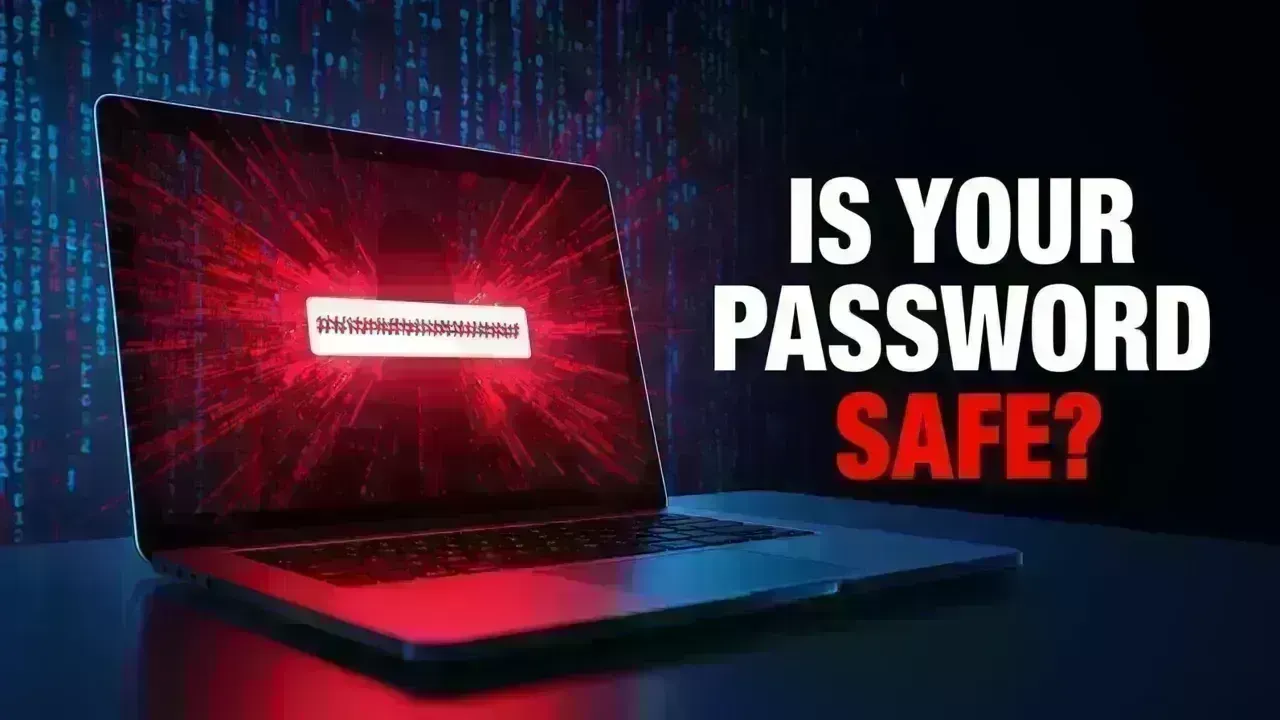
Are Your Passwords at Risk? Uncover How Quickly Hackers Can Access Them
In the modern digital landscape, a password serves as your primary defense mechanism guarding personal information, financial accounts, email, and social networks. Yet, many individuals still opt for simple or easily guessed passwords, allowing hackers to gain access to accounts in mere minutes.
By understanding the methods used by hackers, you can better protect your digital identity.
The Vulnerability of Weak Passwords
Many people resort to basic passwords like their names, birthdays, or common sequences such as “123456” or “qwerty.” Such choices make it remarkably simple for hackers to crack using automated tools.
Hackers leverage extensive databases filled with frequently used passwords to rapidly attempt various combinations. If your password is simplistic or widely recognized, it can be breached almost immediately.
Even slight changes, like using “Password123,” provide little security since these patterns are already identified by attackers.
Brute Force Attacks: Prioritizing Speed Over Complexity
A prevalent hacking technique is a brute force attack, which employs software that can try thousands or even millions of password combinations in seconds.
With modern technology, countless combinations can be tested rapidly, especially when passwords are short. A simple password can be compromised within minutes, if not seconds.
Utilizing longer, more complex passwords can significantly prolong the hacking process, reducing the effectiveness of brute force methods.
Phishing Attacks: Deceit Rather Than Technical Skills
Not all hackers depend solely on high-tech tactics. Many exploit phishing techniques that deceive users into disclosing their passwords.
You might receive deceptive emails or messages that seem to originate from trusted platforms such as Gmail or PayPal, prompting you to log in or verify your account.
These counterfeit pages mimic real ones, and the moment you enter your credentials, they are sent straight to the perpetrator.
This tactic is perilous, as it circumvents technological defenses by focusing on human behavior.
Data Breaches and Exposed Passwords
Major data breaches spill out millions of usernames and passwords from various websites and applications. Hackers gather this data and may use it to infiltrate accounts on other platforms.
If you reuse passwords across multiple websites, a single leaked password can jeopardize all your accounts.
This underscores the critical importance of having unique passwords for distinct accounts.
Malware and Keylogger Risks
Malicious software, often unknowingly downloaded, can track everything you type, including passwords and sensitive data.
Once activated, keyloggers can discretely transmit your information to hackers. Engaging with unfamiliar links or downloading files from unverified sources heightens this risk.
Maintaining system security and steering clear of dubious downloads is vital in thwarting such cyber threats.
Tips for Creating Strong, Secure Passwords
A robust password is your best defense against cyber incursions. A secure password should include:
- At least 12–16 characters in length
- A combination of uppercase and lowercase letters
- Inclusion of numbers and special characters
- Unique for each account
Avoid using personal identifiers such as names, dates, or common phrases.
Consider using a password manager to create and store intricate passwords securely, eliminating the need to memorize each one.
Activate Two-Factor Authentication for Additional Security
Even if your password is compromised, two-factor authentication (2FA) introduces an extra layer of defense. It necessitates a secondary verification step, like a code sent to your mobile device.
Most leading platforms provide this feature, and activating it can notably diminish the chance of unauthorized access.
This serves as a formidable backup, significantly complicating unauthorized account access.
Signs That Your Password Might Be Compromised
Occasionally, indicators of a hacked account may emerge. Keep an eye out for:
- Unusual login activity
- Password reset 이메일 that you did not request
- Messages dispatched from your account without your knowledge
- Unexpected logouts from your devices
Should you notice any of these occurrences, promptly change your password and secure your account.
Proactive Measures Before It’s Too Late
As cyber threats continually evolve, and hackers grow increasingly sophisticated, depending on flimsy passwords or outdated practices can leave your data vulnerable.
By taking straightforward steps such as establishing strong passwords, activating additional security measures, and staying alert to possible threats, you can shield yourself from imminent attacks.
Disclaimer
This article serves solely for informational purposes and aims to enhance awareness regarding cybersecurity practices. Always adhere to the official security recommendations of the platforms you utilize.


 English