Post by : Shweta
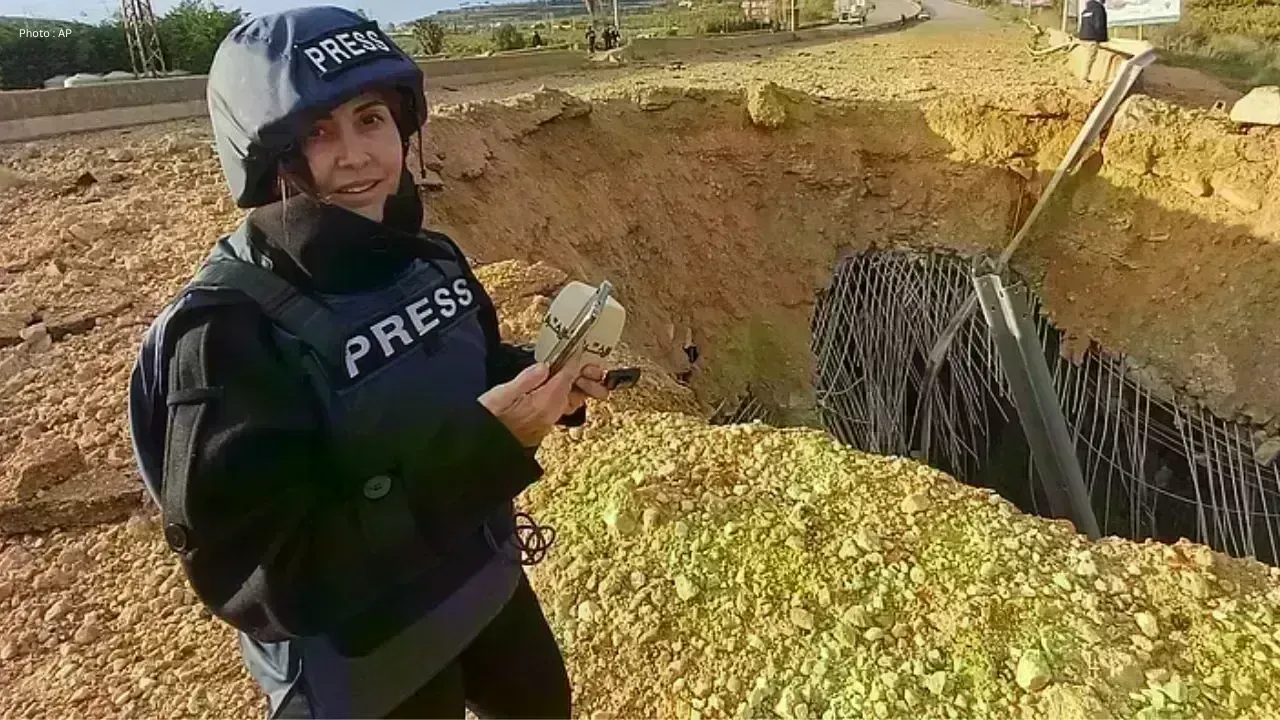
Amal Khalil, a distinguished journalist from Lebanon, tragically lost her life in an Israeli airstrike while on assignment in southern Lebanon, raising significant alarm about the safety of journalists in war zones. Representing Al-Akhbar, Khalil dedicated nearly two decades to documenting life along the fraught Israel-Hezbollah border.
Known for her insightful ground-level reporting, Khalil focused on the everyday trials facing civilians amidst ongoing violence. Her work, especially since the 2006 Israel-Hezbollah conflict, illustrated the profound impact of repeated violence on local lives.
On April 22, 2026, while on assignment near a border village, tension rose even within a shaky ceasefire. Accompanied by photojournalist Zeinab Faraj, Khalil was caught in the aftermath of an initial strike that hit a vehicle nearby, killing its occupants and leaving Faraj injured. The two journalists quickly sought refuge in a nearby building.
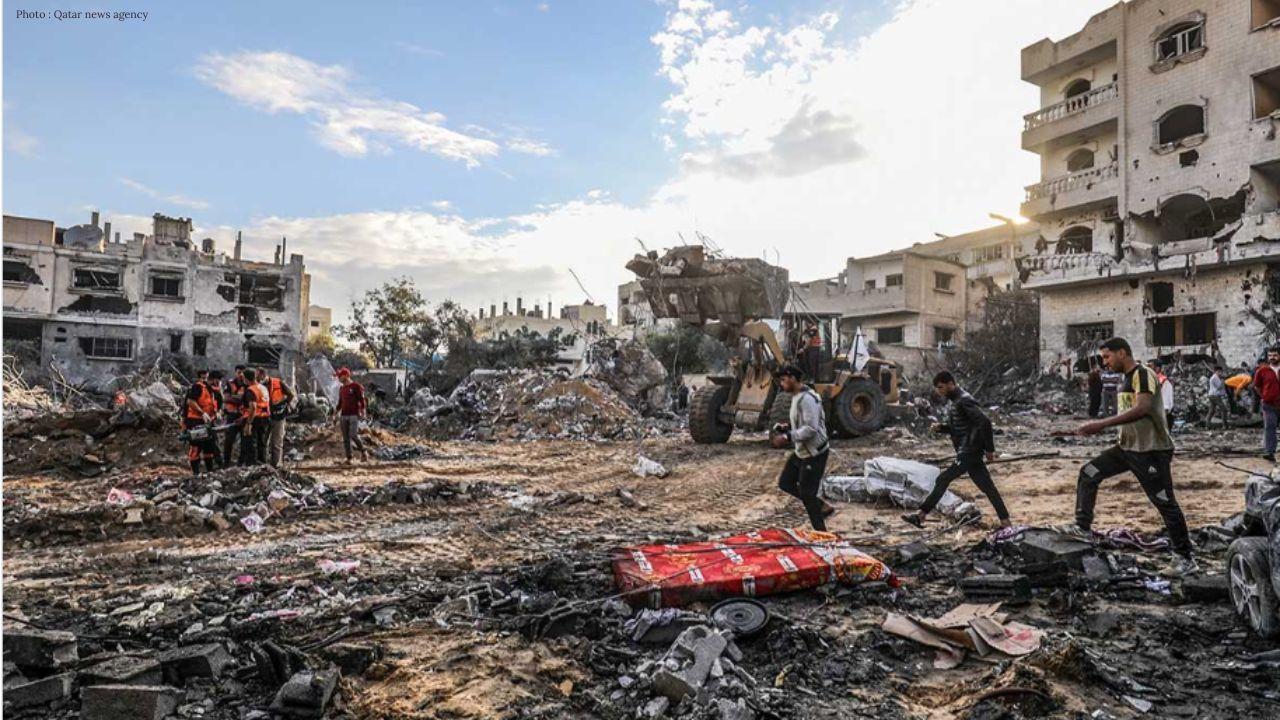
However, soon after, the area experienced what is referred to as a “double-tap” strike—an additional assault aimed at those who might be responding to the initial attack. Tragically, the building where Khalil and Faraj found shelter was destroyed in this second strike.
Faraj survived with injuries, but Khalil was trapped under the debris. Rescue efforts faced severe delays due to persisting fire and explosions, hampering emergency teams from reaching them promptly. When she was eventually located, it was too late; she succumbed to her injuries.
Israeli authorities have contested claims of targeting journalists, asserting that their strikes were directed towards Hezbollah positions and promising a review of the incident. Yet, Khalil’s death has garnered international backlash, renewing calls for responsibility.
Human rights organizations and press freedom advocates are insisting on an independent investigation of the event, contending that attacks on journalists and disruptions in rescue operations could breach international humanitarian laws, particularly in conflict zones.
Khalil’s untimely demise exemplifies the mounting hazards journalists encounter while reporting in war-affected areas. Her legacy serves as a crucial reminder of the significance of independent journalism, even amidst perilous situations.


 English