Post by : Shweta
Due to increasing fuel costs, airspace closures, and ongoing conflicts in the Middle East, airlines around the globe are significantly cutting, suspending, or reducing major international flight routes. The operational pressures resulting from the tensions in Iran and instability in West Asia have led carriers in Europe, Asia, Australia, and North America to readjust their schedules.
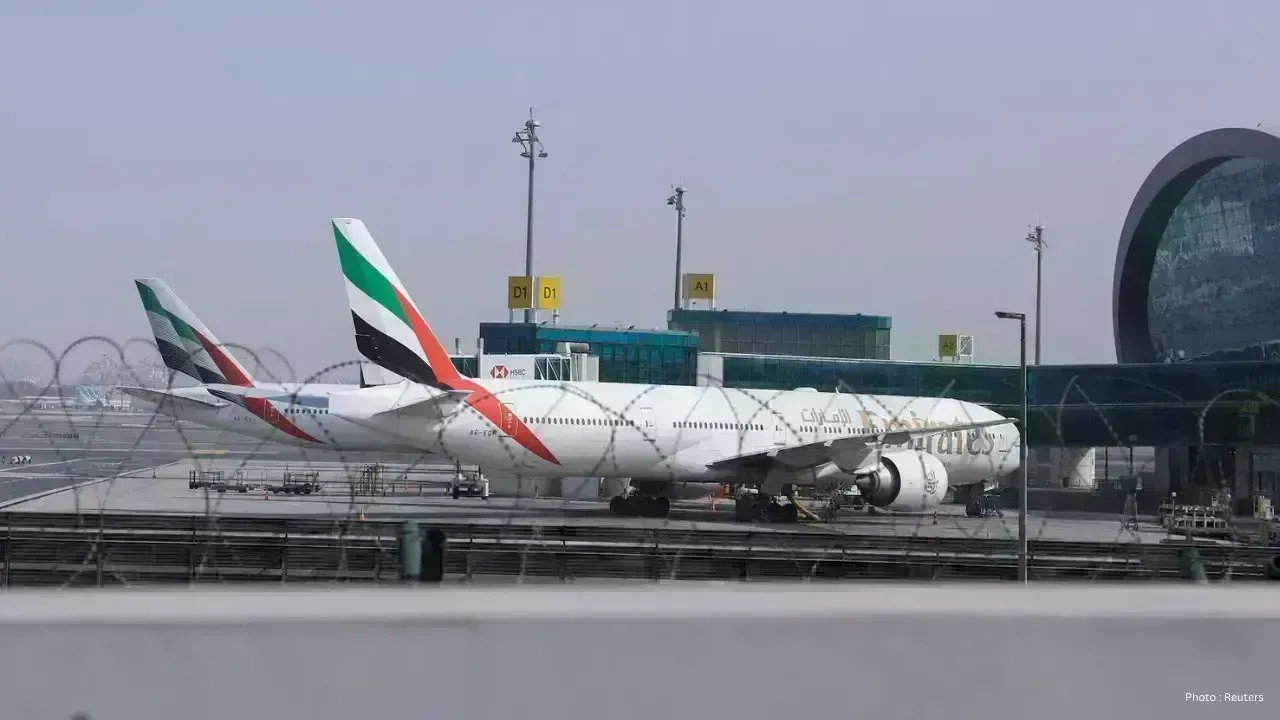
Particularly affected are routes serving the Middle East. Numerous airlines have halted flights to key destinations such as Dubai, Riyadh, Tel Aviv, Beirut, Tehran, Abu Dhabi, Amman, and Doha, citing security risks and airspace limitations. Rerouting aircraft around conflict zones has also led to longer flight times and increased fuel consumption.
The Lufthansa Group has announced extensive route reductions, with carriers such as Lufthansa, Swiss, Austrian Airlines, Brussels Airlines, and Edelweiss suspending several routes, including those to Dubai and Tel Aviv, through May 31. Flights to other cities like Beirut, Muscat, Riyadh, and Tehran are reportedly on hold until October, with Lufthansa also cancelling around 20,000 short-haul flights due to surging operational costs.
In the UK, Lufthansa confirmed the permanent cancellation of its Glasgow-to-Frankfurt direct service starting June 2026, attributing the decision to rising fuel costs linked to global oil market instability due to the Iran situation.
Australian airline Qantas has further scaled back its flight offerings across domestic and international networks, including certain routes to Europe and Asia, while temporarily pausing its Sydney-to-Bengaluru service starting August. The carrier emphasized these changes as necessary due to high fuel prices and the ongoing turbulence affecting global aviation.
Air Canada has put its 2026 financial forecast on hold amid growing uncertainty stemming from the Iran conflict and sharply rising jet fuel costs, trimming less profitable routes and enhancing ticket prices to cope with escalating expenses.
In India, airlines have also faced considerable disruptions, as many international flights to Europe pass through Middle Eastern airspace. Air India, IndiGo, and Akasa Air have cancelled or rerouted flights to Gulf destinations, with some services to Abu Dhabi, Doha, Jeddah, Kuwait, and Riyadh halted during heightened military tensions earlier this year.
Reports indicate that more than 3,000 flights have been cancelled and over 18,000 delayed globally during peak crises, as various nations restricted or closed parts of their airspace. Major airports in the Gulf have faced significant disarray, leaving many travelers stranded or requiring alterations to travel plans.
European airlines have been hit particularly hard, with long-haul flights between Europe and Asia traditionally passing through Middle Eastern air corridors now rerouted over Central Asia, Africa, or southern Europe, leading to increased fuel utilization and rising operational costs.
Carriers like British Airways, Emirates, Etihad, Qatar Airways, KLM, Cathay Pacific, Singapore Airlines, and Finnair have either suspended routes, cut schedules, or made flexible booking options available due to the prevailing uncertainty. Some airlines are currently operating limited schedules exclusively through specifically approved aviation corridors.
Experts predict that continued disruptions to the aviation industry are likely if fuel prices remain high or regional tensions escalate further, especially impacting smaller regional airports in Europe that could struggle financially due to reduced flight schedules in the wake of COVID-19 recovery efforts.
Despite these challenges, demand for international travel remains robust, particularly on routes connecting Europe, North America, and Asia. Some airlines are redirecting aircraft capacity from Middle Eastern destinations to other long-haul markets experiencing heightened passenger demand.
Industry analysts indicate that airlines are now tasked with balancing safety issues, fuel costs, and passenger demand as they navigate what may be one of the most turbulent times for global aviation in recent memory. Travelers are advised to stay informed about airline updates as geopolitical tensions continue to influence fuel resources and international airspace.


 English