Post by : Shakul
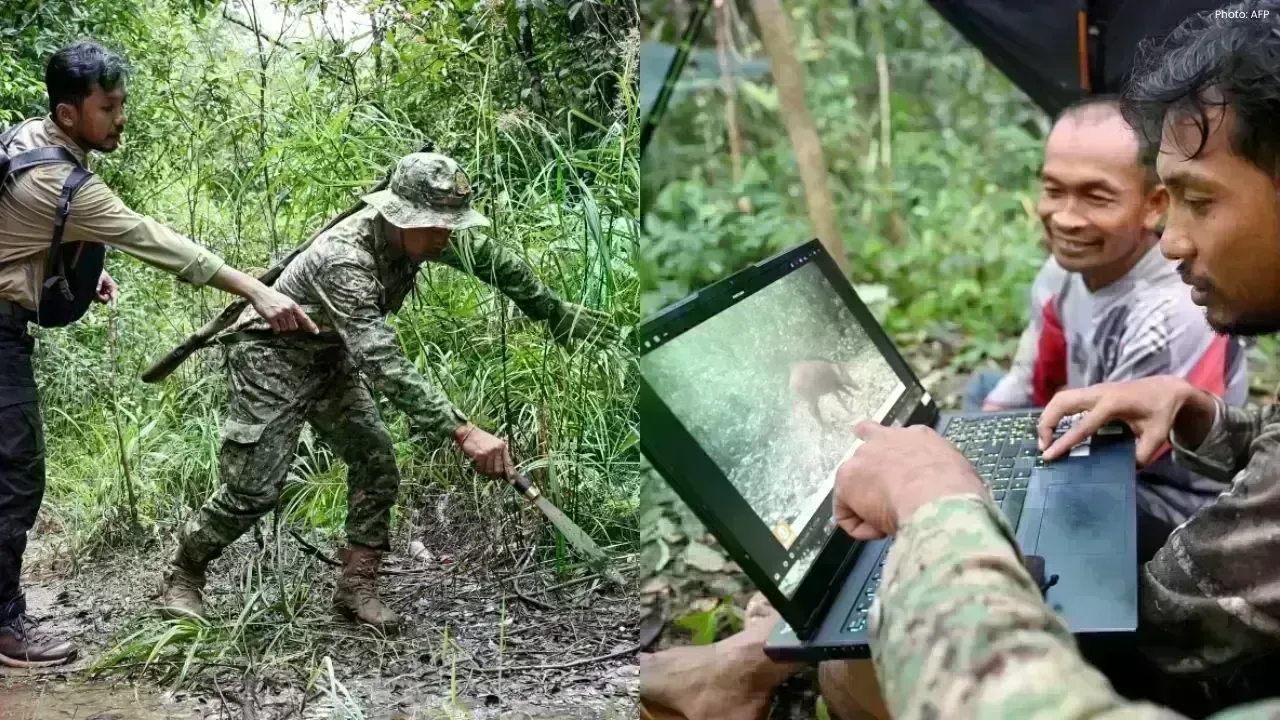
In the heart of Cambodia's Cardamom Mountains rainforest, innovative technology such as hidden cameras, bioacoustic sensors, and artificial intelligence (AI) is being employed to keep tabs on rare wildlife. Conservationists are optimistic that these tools yield essential evidence confirming the existence of endangered species in this vital Southeast Asian ecosystem.
Led by Conservation International Cambodia, with collaboration from forest rangers and Indigenous communities, this project aims to bolster wildlife monitoring while enhancing long-term conservation strategies within the protected area.
Monitoring Rare Species with Camera Traps
Across the forest, numerous hidden camera traps have been set to record images and videos of elusive animal species. The latest surveys have identified over 100 wildlife species, including vulnerable elephants, pangolins, pig-tailed macaques, and dholes.
Researchers assert that these camera traps offer dependable insights into animal demographics, behavioral patterns, and habitat usage, enabling conservation teams to grasp how wildlife is adjusting to environmental transformations.
AI Monitors Gibbon Activity in the Canopy
Utilizing bioacoustic monitoring technology, scientists are capturing sounds high above the forest floor. Since pileated gibbons primarily inhabit treetops, traditional cameras prove ineffective for monitoring their activities.
AI has been developed to analyze gibbon calls from a vast array of audio recordings. In just six weeks of observation, around 800 gibbon calls were logged, revealing significant data on their population distribution and overall forest vitality.
Indigenous Communities Contribute Their Expertise
Local Indigenous members play a crucial role in guiding researchers on optimal locations for camera and sensor placements. Their understanding of animal behavior and forest navigation greatly enhances the wildlife monitoring effort.
Conservationists emphasize that engaging the community is a key element of the initiative, as local residents possess unparalleled insight into the rainforest and are dedicated to its ecological preservation.
Ongoing Threats to the Rainforest
Despite strides made in curbing poaching and illegal hunting activities, the Cardamom Mountains still face significant threats from construction projects and deforestation. Conservation groups report substantial forest loss in recent years.
Researchers are hopeful that ongoing monitoring through AI and camera systems will lead to compelling scientific evidence advocating for more robust protective measures for one of Cambodia's last remaining rainforest habitats.
A Beacon of Hope for Wildlife Preservation
Experts agree that integrating artificial intelligence with hidden cameras and acoustic monitoring is revolutionizing wildlife conservation efforts. This technology enables researchers to detect endangered species without disrupting their habitats, while also compiling accurate long-term ecological data.
Conservation International aims for the project's results to inspire increased financial support for rainforest protection and highlight the global significance of maintaining Cambodia's extraordinary biodiversity for generations to come.


 English