Post by : Shakul
During the IMF-World Bank Spring Meetings 2026 in Washington, D.C., officials from Thailand and Singapore engaged in critical discussions about current global economic challenges. Their dialogue underscored the pressing need for unified international efforts as geopolitical issues and volatile energy markets create increasing uncertainty.
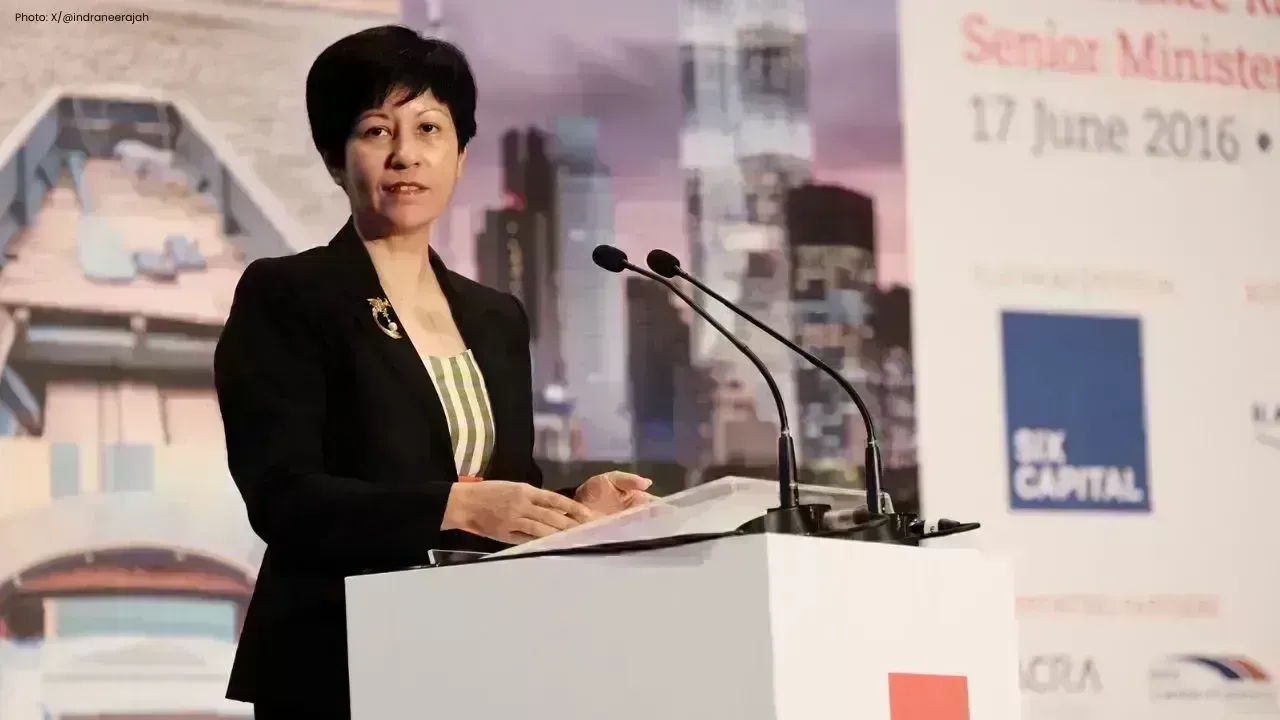
Thailand's Deputy Prime Minister and Minister of Finance, Dr. Ekniti Nitithanpraphas, met with Singapore's Minister in the Prime Minister's Department, Indranee Rajah. This encounter illustrated their mutual recognition of the necessity for enhanced cooperation in confronting global risks while reinforcing bilateral and regional ties.
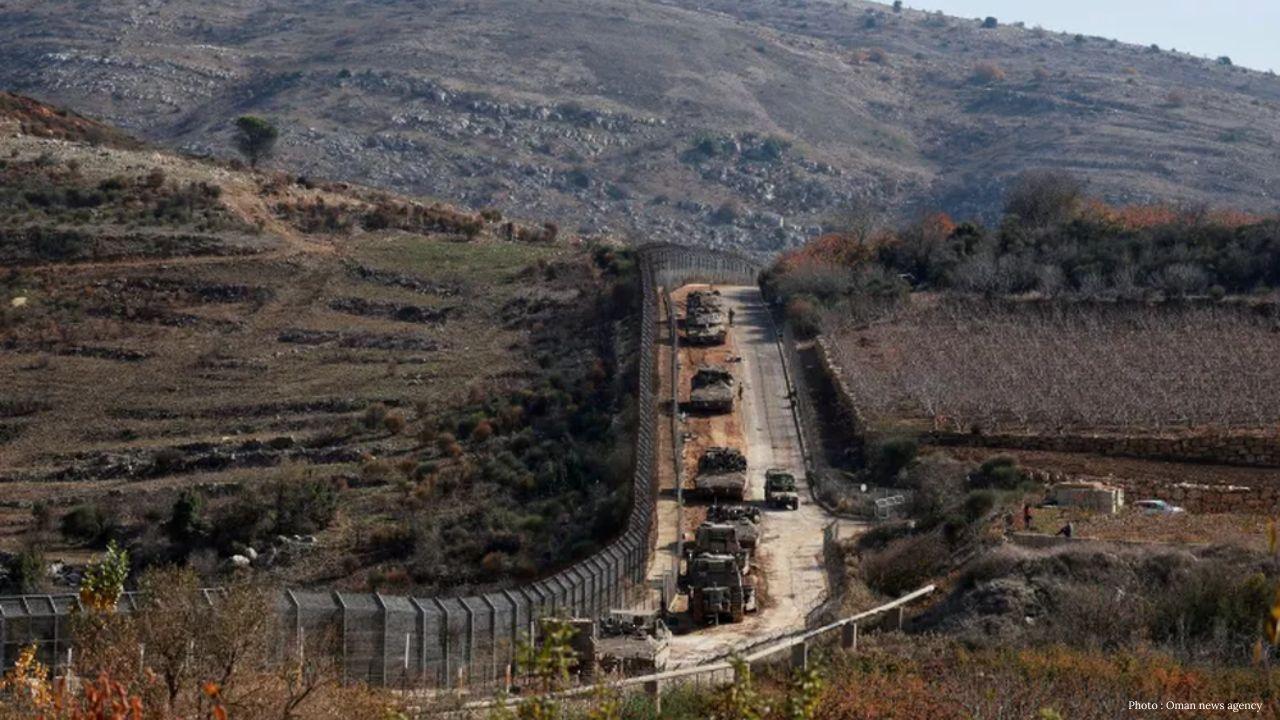
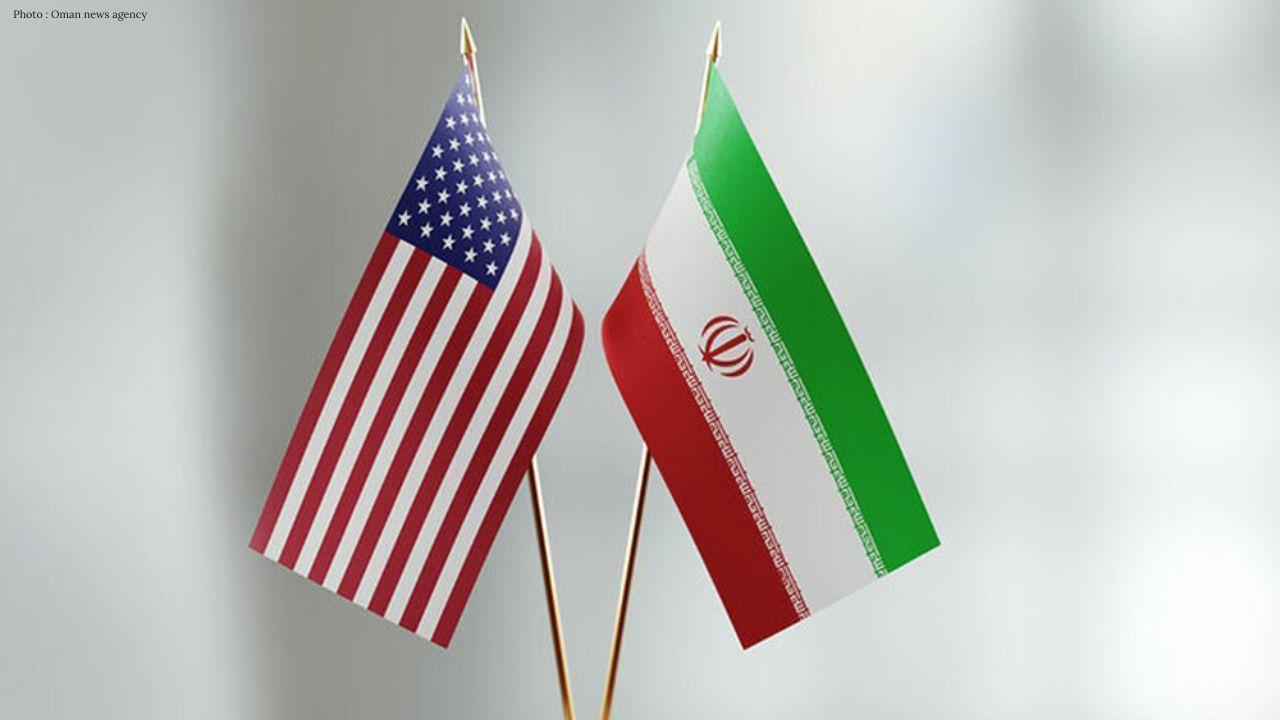
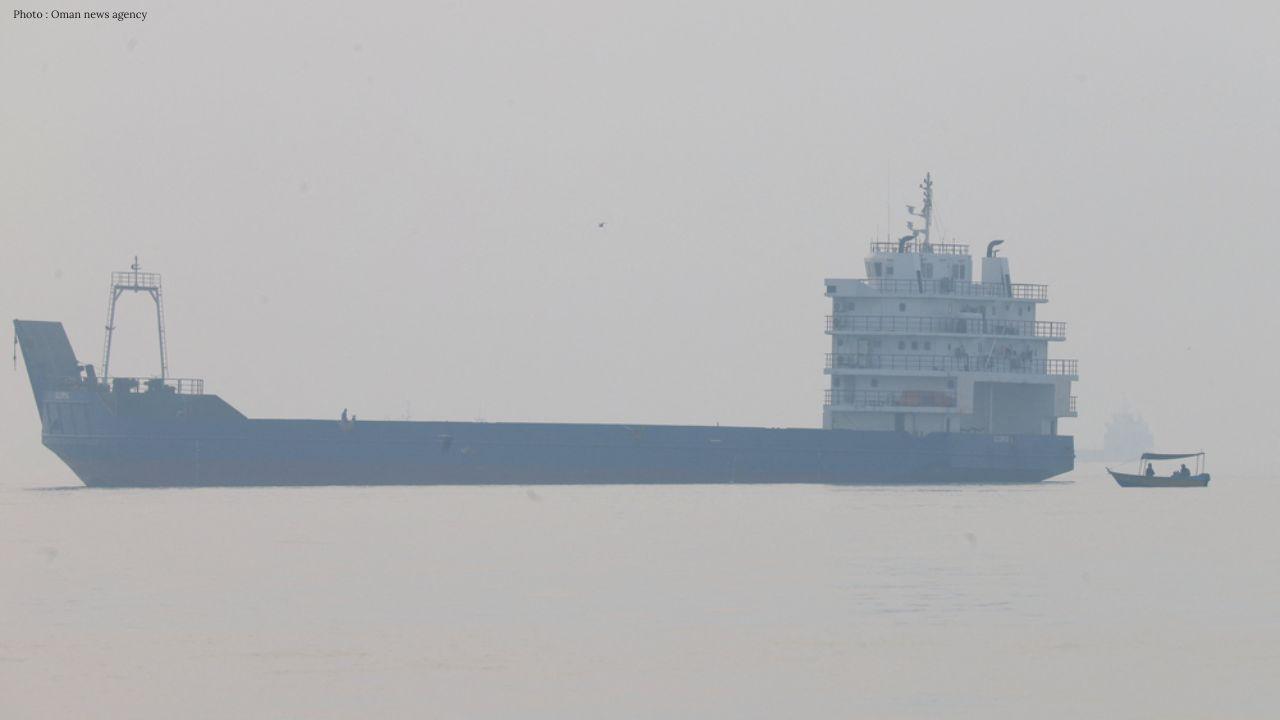
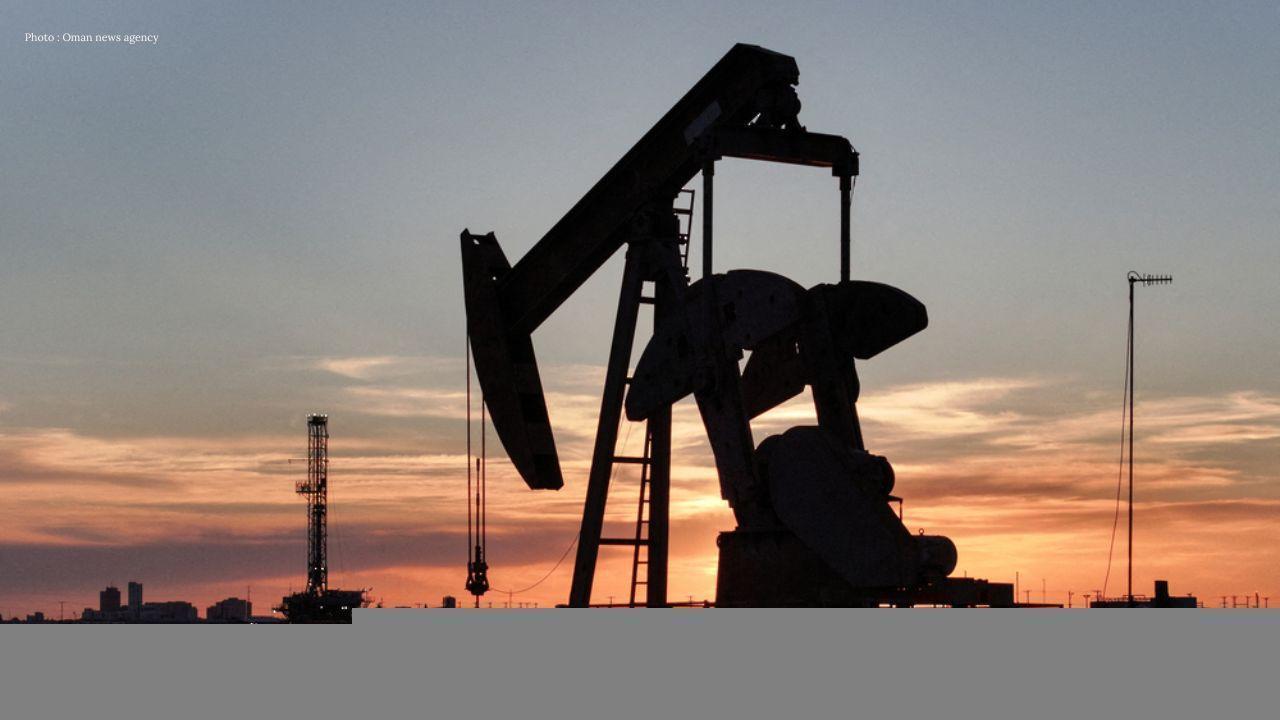
The leaders focused extensively on the global economic landscape, particularly the ramifications of ongoing conflicts with Iran. This situation not only fuels market instability but also poses risks to energy supply chains. The Strait of Hormuz emerged as a focal point of concern; disruptions here could substantially affect oil prices and lead to broader economic challenges.
Both countries recognized that surging energy costs are straining economies worldwide, especially in developing regions reliant on imports. They discussed multiple policy alternatives to alleviate these pressures, including measures to stabilize supply chains and address inflation while fostering sustainable economic growth in the face of external disturbances. The need for proactive, coordinated policy action was highlighted as essential for traversing the unpredictable global terrain.
Beyond immediate concerns, the meeting laid the groundwork for long-term regional collaboration within the ASEAN framework. Both governments affirmed their dedication to fostering a structured financial agenda for the region. With Singapore slated to chair ASEAN in 2027, followed by Thailand in 2028, there's an opportunity to synchronize economic priorities and bolster regional cooperation.
A major topic for future partnership was the incorporation of advanced technologies like artificial intelligence within the financial sector. The application of AI was envisioned to enhance operational efficiency, improve service quality, and build resilient financial frameworks responsive to rapid technological changes. Furthermore, developing regional energy infrastructure, such as the ASEAN Power Grid initiative, was emphasized as vital for ensuring long-term energy security and sustainability.
The dialogue also pointed to the significance of expanding cross-border financial services and improving connectivity among ASEAN economies. By strengthening financial integration and cooperation, member states can better navigate global economic stresses and seize emerging opportunities. This meeting reaffirmed the shared commitment of Thailand and Singapore to confront present challenges while laying the foundation for a stable, resilient, and interconnected regional economy.


 English