Post by : Shweta
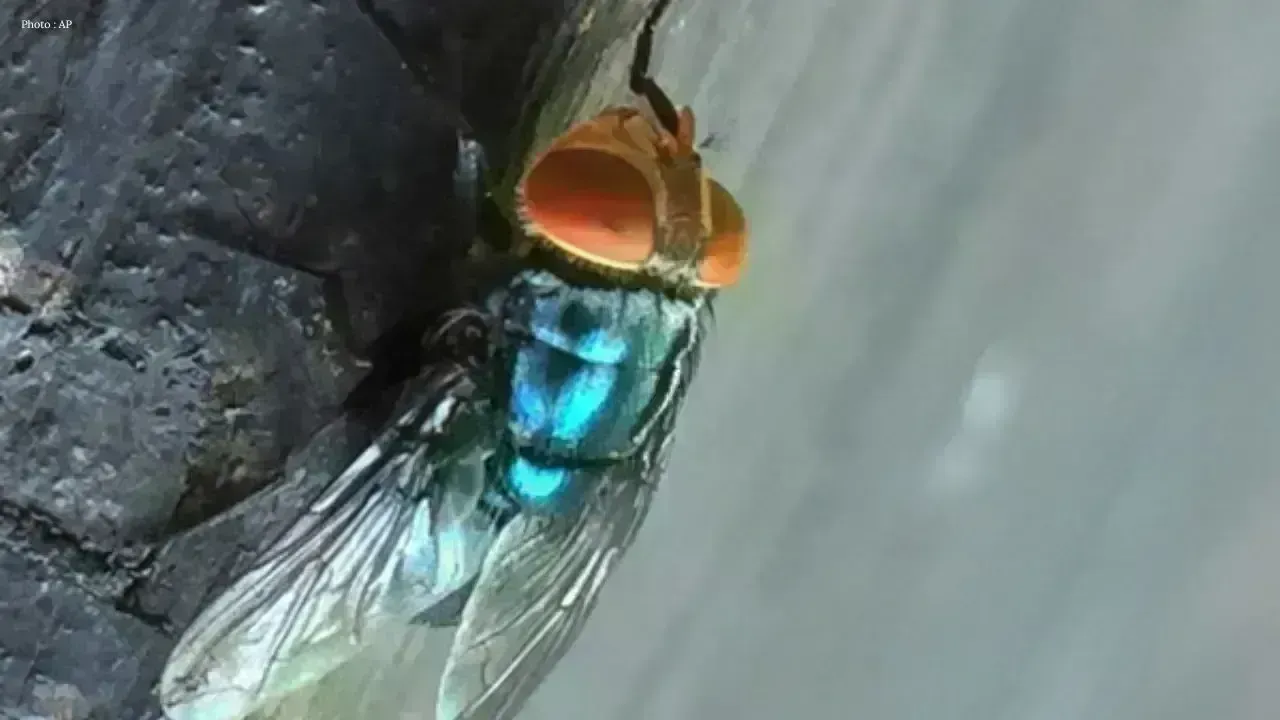
Officials in Texas have verified the presence of a screwworm fly, prompting alarm among livestock producers and animal health experts. This comes despite significant initiatives aimed at preventing the invasive pest from taking root in the country. The situation has cast a renewed spotlight on biosecurity protocols intended to safeguard livestock, wildlife, and various animal species from this harmful insect.
The screwworm fly is notorious for its detrimental impact on animal health, with its larvae infesting living tissue of warm-blooded creatures. Unlike other fly types that consume decomposing matter, screwworm larvae can invade open wounds, creating critical health risks that may lead to severe injuries if untreated.
This detection occurs after years of rigorous monitoring and prevention strategies aimed at keeping the pest out of the U.S. Substantial resources have been dedicated by federal and state agencies to maintain surveillance, conduct border checks, and promote international collaborations to thwart potential screwworm outbreaks.
Livestock organizations are monitoring the situation closely, recognizing that a broader infestation could have serious economic implications for cattle producers. Immediate veterinary care is often necessary for infested livestock, and outbreaks can escalate operational costs while jeopardizing animal welfare. If neglected, severe infestations could lead to significant financial losses for ranchers.
Experts indicate that cattle are particularly susceptible due to their regular exposure to outdoor conditions, where injuries may occur. Other animals, such as horses, sheep, goats, and even pets, along with rare instances in humans, are also at risk. In light of this, animal health officials tend to respond rapidly whenever a screwworm fly is reported.
However, officials have reassured that the discovery does not automatically imply the existence of an established population in Texas. Ongoing investigations will further clarify whether this case is isolated or signals a larger issue that necessitates more comprehensive response actions.
Historically, the U.S. has waged a long battle against screwworm outbreaks, with extensive eradication initiatives successfully eliminating this pest from various regions through collaboration between federal bodies, state entities, and agricultural communities. A key method involved deploying sterile male flies, effectively reducing reproductive numbers and aiding in pest elimination.
Post-eradication, authorities have continued to monitor for any signs of reemergence, prioritizing the maintenance of a screwworm-free status due to the potential economic and agricultural ramifications of a significant outbreak.
This latest finding has intensified vigilance among livestock caretakers. Agricultural leaders urge ranchers, veterinarians, and animal caretakers to conduct routine inspections for suspicious wounds or other signs of infestation. Early detection is paramount in curbing the pest's spread and mitigating potential damages.
Industry representatives emphasize the vital role of adhering to stringent biosecurity measures. Keeping a close watch on animal health, promptly reporting suspicious findings, and following veterinary advice are key strategies recommended as officials continue to evaluate the situation.
This situation also raises broader issues regarding agricultural biosecurity in an increasingly globalized environment. The complexities of international trade, animal transportation, and environmental influences can accelerate the spread of pests and diseases across borders, underscoring the need for robust surveillance to protect livestock businesses.
With ongoing investigations, federal and state agencies are expected to keep the public informed regarding any necessary additional actions and the overall scope of response needed to prevent establishment of the pest.
For cattle farmers and the wider agricultural community, this incident underscores the persistent challenges related to animal health protection and biosecurity enforcement. As officials work to clarify the circumstances, industry stakeholders remain vigilant for updates and further direction.
Stay connected with us for the latest significant updates and comprehensive coverage.


 English