Post by : Saif
Al-Najjar
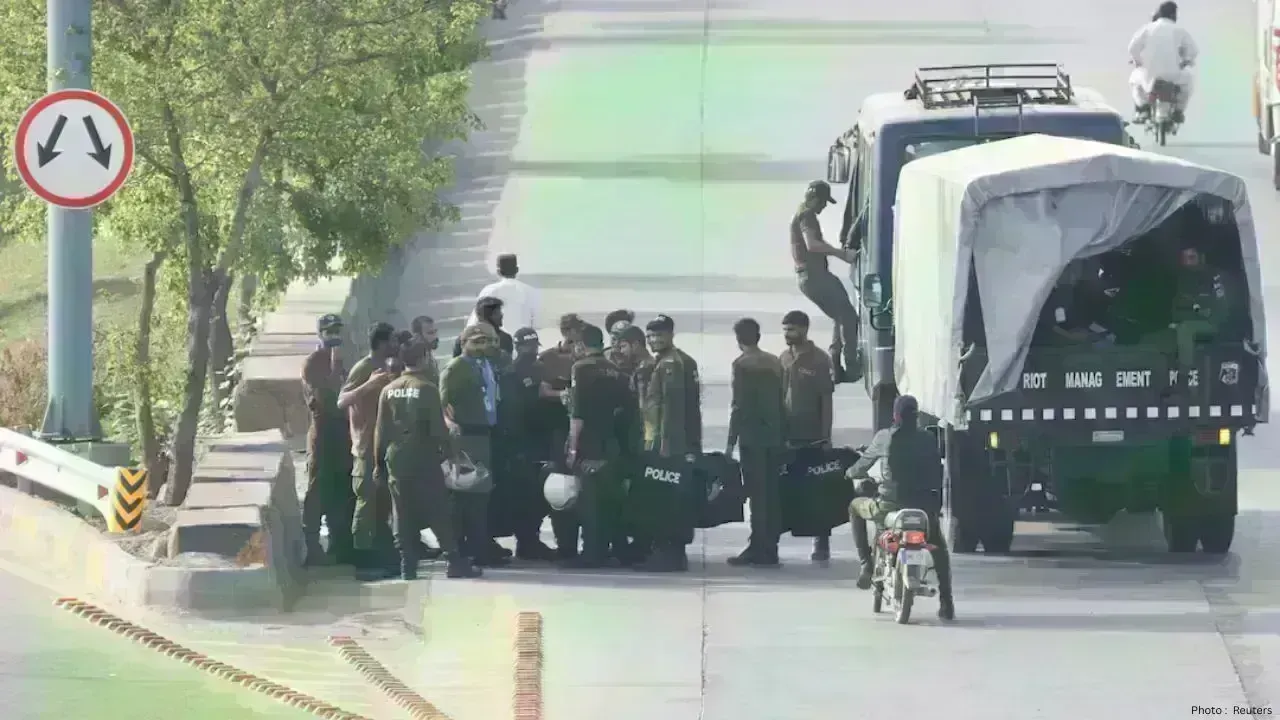
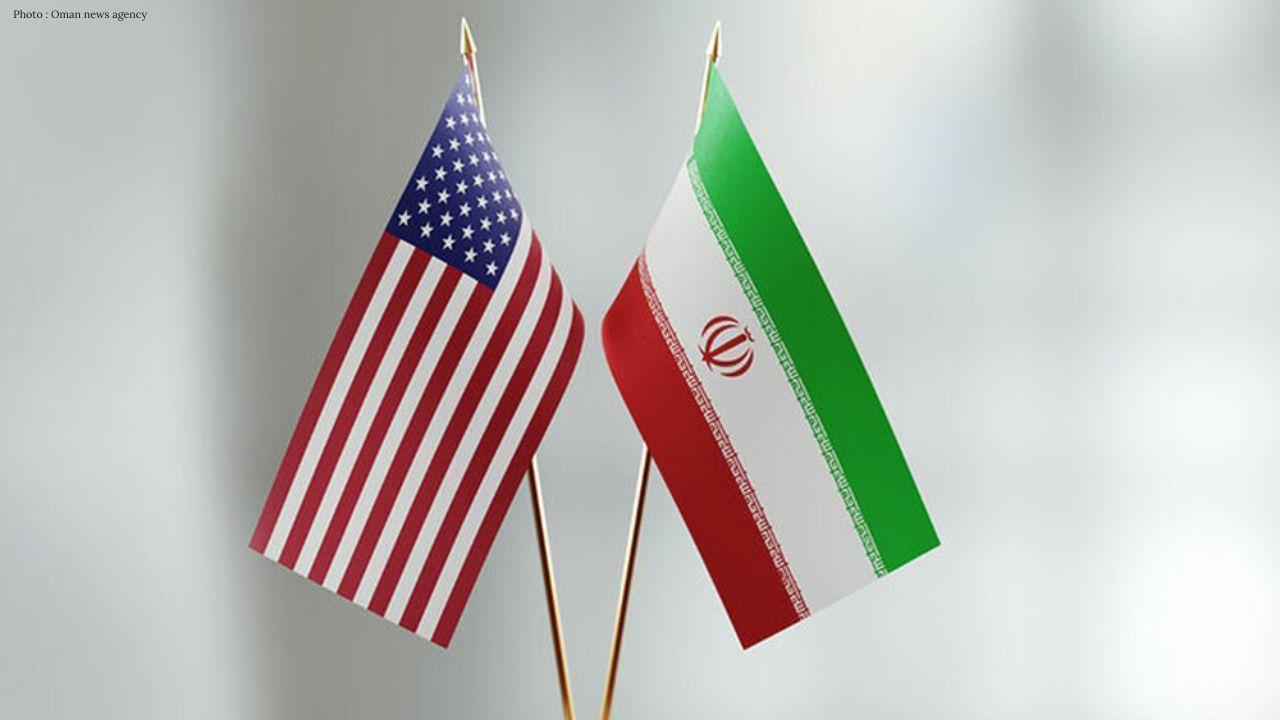
Islamabad, the capital of Pakistan, is currently under a stringent security lockdown as the fate of peace negotiations between the United States and Iran remains unclear. Despite plans to facilitate another series of discussions, tangible indications of their commencement are scarce.
Key locations around the city have been heavily secured, particularly vital governmental areas, in preparation for anticipated high-stakes meetings. Major roads have been shut down, transportation systems have seen disruptions, and law enforcement officials are present throughout Islamabad. These precautionary measures, initiated during preceding negotiations, have now been prolonged as officials hold out for any signs of advancement.
The last set of talks between the US and Iran concluded without a satisfactory agreement, leaving both parties at an impasse on crucial topics such as security and ongoing regional frictions. Consequently, no timeline has been established for the next discussions.
Residents of Islamabad are feeling the strain. The lockdown is hindering daily activities—shops are experiencing financial setbacks, travel options are limited, and many workers are unable to perform their jobs. Some establishments are struggling to maintain stock due to restricted supply routes, while others are witnessing a decline in customers.
This scenario underscores the broader implications of diplomatic indecision. The necessity for peace talks is evident; however, the ongoing ambiguity places a significant burden on everyday individuals who remain unaffected by the geopolitics but suffer nonetheless.
Pakistan is navigating a significant role as a mediator mediating between the United States and Iran, with the hosting of such discussions indicating its growing diplomatic relevance. However, the current stasis illustrates the hurdles of mediation when both sides are entrenched in disagreement.
The existing tensions are tied to a larger narrative affecting the region, encompassing military actions, economic sanctions, and control over significant trade routes—factors that complicate dialogue. Without mutual trust, any potential for progress is hindered.
The ongoing lockdown in Islamabad demonstrates how security precautions can disproportionately impact urban experiences. Governments may impose stringent measures to ensure safety during sensitive discussions, but when negotiations stall, the duration of such restrictions can stretch, leading to increased frustration among citizens.
The economic consequences are equally concerning. Small businesses, daily wage earners, and transportation service providers find themselves particularly vulnerable. Restricted movements lead to reduced earnings, which can take a toll on the local economy over time, breeding financial strain.
Meanwhile, the stagnation of talks raises doubts regarding the future of the truce between the US and Iran. In the absence of dialogue, the potential for escalating tensions looms large. Diplomacy is vital for conflict reduction, and delays can exacerbate uncertainties.
This situation further exemplifies how global conflicts reverberate in nations not directly engaged in hostilities. While Pakistan plays host to crucial negotiations, its populace grapples with the repercussions of a foreign dispute, highlighting the interconnectedness of our world.
As expectations grow for any semblance of progress, Islamabad remains vigilant. The hope persists that negotiations will soon recommence, paving the way for a resolution. In the meantime, the city remains suspended between cautious preparation and unease, with its citizens yearning for a return to normalcy.


 English