Post by : Saif
Al-Najjar
The spotlight returns to Lebanon and Israel as escalated military activities and ongoing diplomatic negotiations challenge peace efforts along their border. Recent events have intensified worries regarding the stability of ceasefire agreements, raising alarms about the risk of a broader conflict instigated by rising tensions.
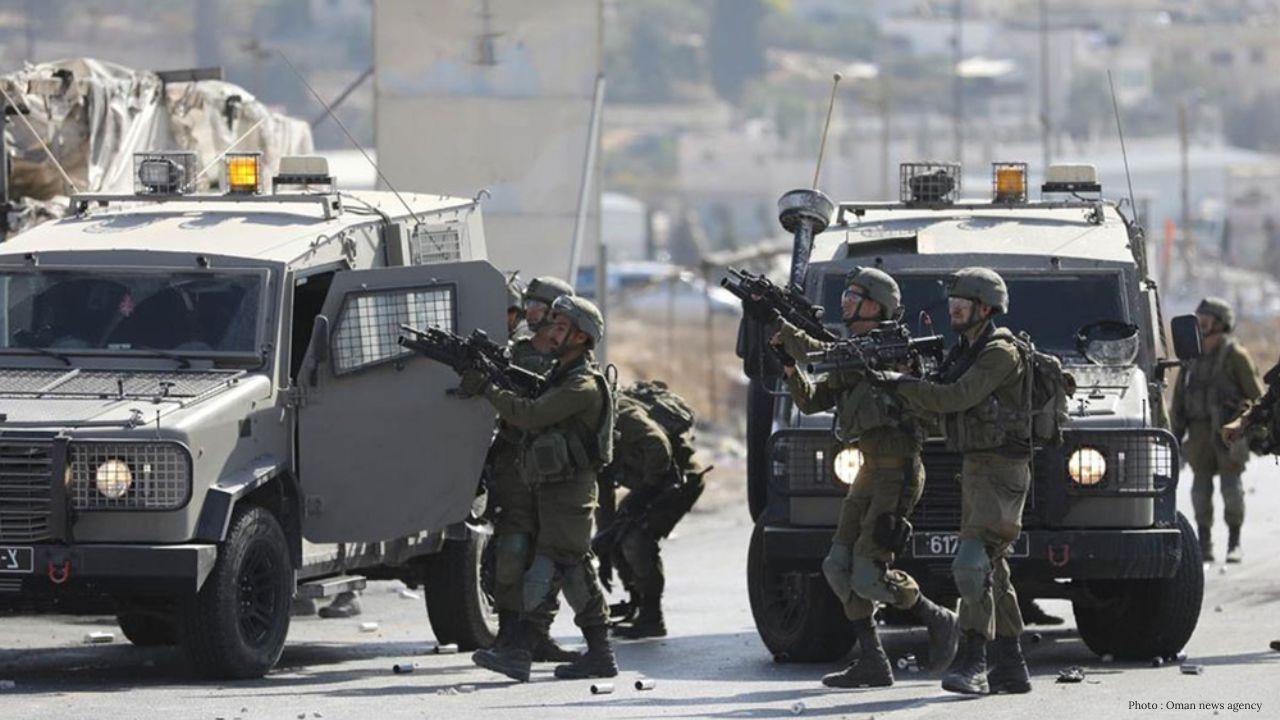
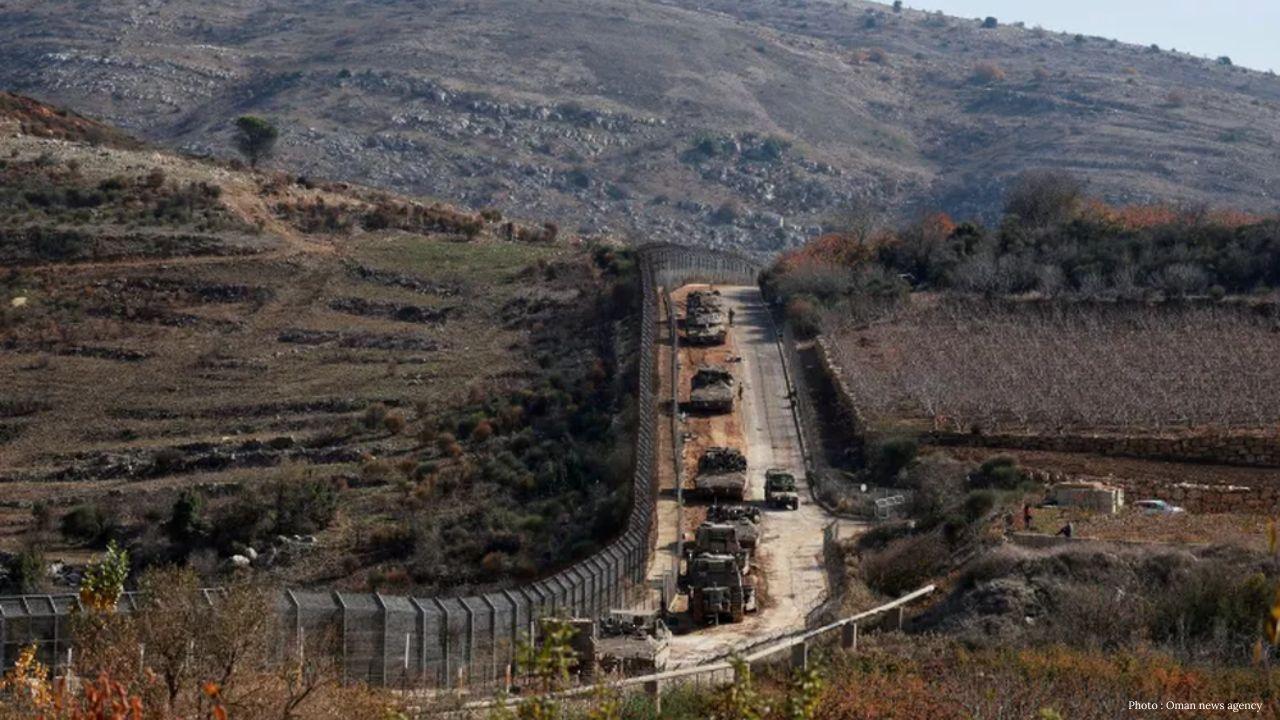
Recently, Israeli airstrikes targeted Hezbollah-affiliated regions in Lebanon. Israeli representatives have remarked that these operations aimed to neutralize security threats and thwart potential assaults. These strikes have occurred alongside persistent worries about military movements near the border and the transit of weapons potentially aimed at Israel.
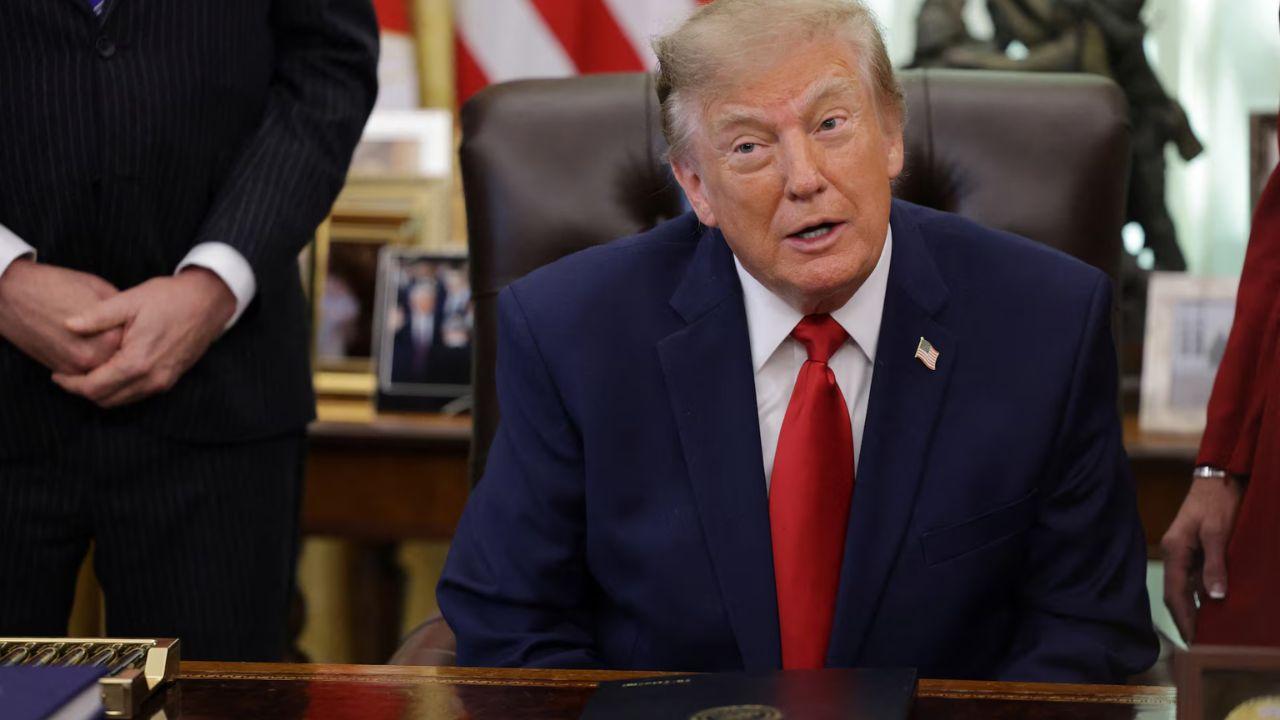
Despite the ongoing efforts to maintain peace, escalating military actions have overshadowed diplomatic strides. The United States has actively participated in talks to deter further escalation, advocating for both sides to adhere to ceasefire commitments. Officials stress the urgency of calming tensions and discouraging actions leading to instability.
The longstanding conflict between Israel and Hezbollah features a complicated history of confrontation, military engagements, and civilian displacements. Although ceasefire agreements have intermittently reduced violence, achieving lasting peace continues to pose a significant challenge.
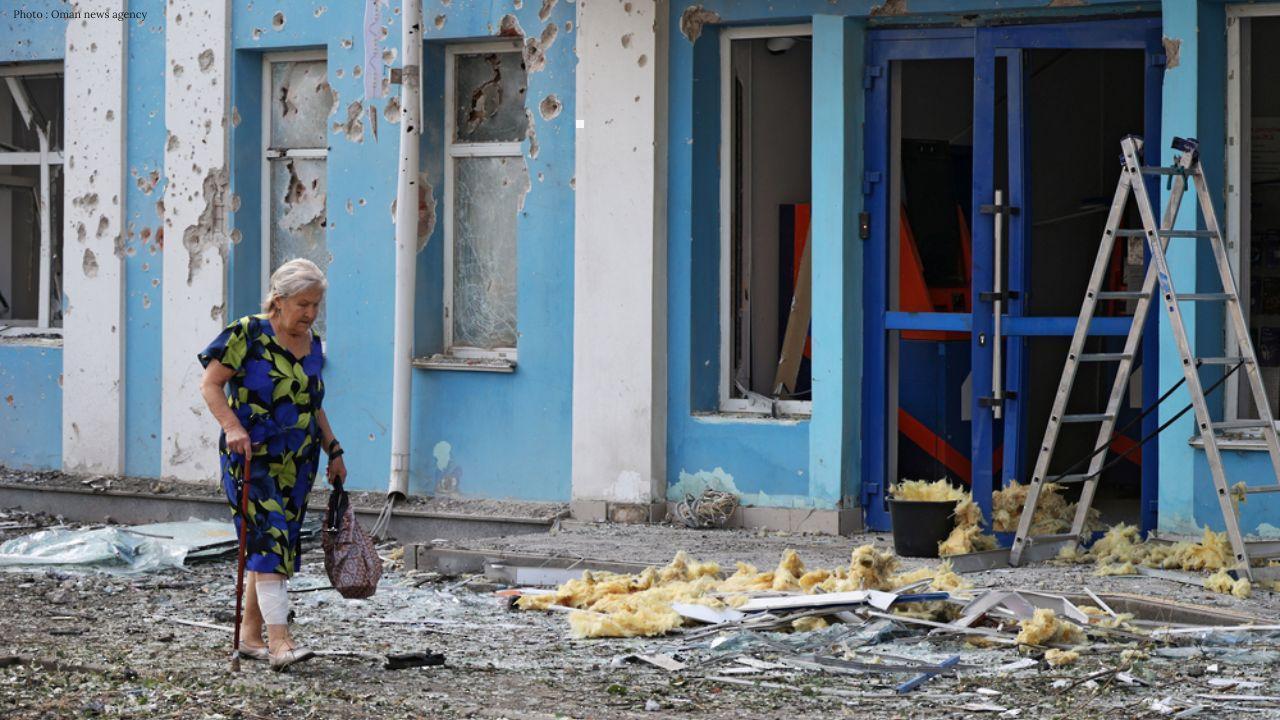
Recent military actions have heightened anxieties among residents in impacted areas. Communities along the borders frequently encounter uncertainty during escalated tensions. Many families express concerns about their safety and potential military disturbances in the future.
Security experts maintain that preventing future assaults is crucial for civilian protection and national security. Israeli leadership is resolute about responding to perceived threats to its citizens and security interests. Conversely, opponents argue that ongoing military endeavors could exacerbate regional instability and hinder diplomatic resolutions.
Hezbollah's influence remains pivotal in the ongoing dispute, retaining a significant presence in Lebanon and impacting the nation’s political dynamics. Its actions are closely scrutinized by regional and international entities due to their potential repercussions on regional stability.
As diplomatic dialogues gain urgency, international leaders are pushing for restraint and urging all stakeholders to refrain from provocations that might lead to escalated violence. Effective negotiations and open lines of communication are essential for managing tensions and lowering the likelihood of conflict.
The situation carries broader implications across the region. Events along the Israel-Lebanon border are often interpreted against a backdrop of complex security challenges, where changes in one locality may affect political and military calculations elsewhere, emphasizing the regional implications of stability.
Additionally, the economic implications of ongoing instability warrant attention. Periods of unrest can hinder investment, trade, tourism, and overall business confidence. Communities already grappling with economic woes may face greater hardships as security concerns disrupt daily activities.
Humanitarian considerations are equally pressing. An increase in military operations threatens civilian safety and can strain local infrastructure and public services. International bodies continue to highlight the need to protect non-combatants and ensure access to humanitarian aid when necessary.
Political leaders in Lebanon confront the challenge of reconciling domestic issues with external pressures. Key concerns for citizens encompass economic recovery, public service improvements, and governance challenges. Prolonged instability along the border only complicates their efforts to address these priorities.
In Israel, policymakers remain committed to security-focused strategies to avert future attacks. Leadership emphasizes the necessity of maintaining robust defensive capabilities, given the unpredictability of threats in the region.
Diplomatic efforts underscore the belief among international actors that a political resolution is achievable. Despite notable disagreements, conversation presents an opportunity to foster understanding and cultivate a stable climate. Successful diplomacy demands patience, teamwork, and a determination to avoid actions that could heighten tensions.
The prevailing situation serves as a stark reminder of the fragile state of peace in the area. Ceasefire agreements may mitigate immediate violence, but achieving sustained stability necessitates addressing the foundational issues fueling recurring conflicts. Absent substantial political progress, periods of tranquility are likely to face continual disruptions.
As the situation evolves, the focus will remain on whether diplomatic endeavors can stave off further escalations. The decisions made by political leaders, military commanders, and international mediators will significantly shape the course of events in the region.
Recent occurrences emphasize that peace is a challenging, ongoing initiative. While military responses may alleviate short-term security worries, long-lasting stability hinges on persistent dialogue, responsible governance, and a commitment among all parties to easing tensions.


 English